William Morris Wall Art
William Morris wall art brings nineteenth-century patterns of plants, fruit, and flowers into your home as fine art prints. Choose historic designs by William Morris and his circle, produced on archival paper, premium canvas, or framed canvas.
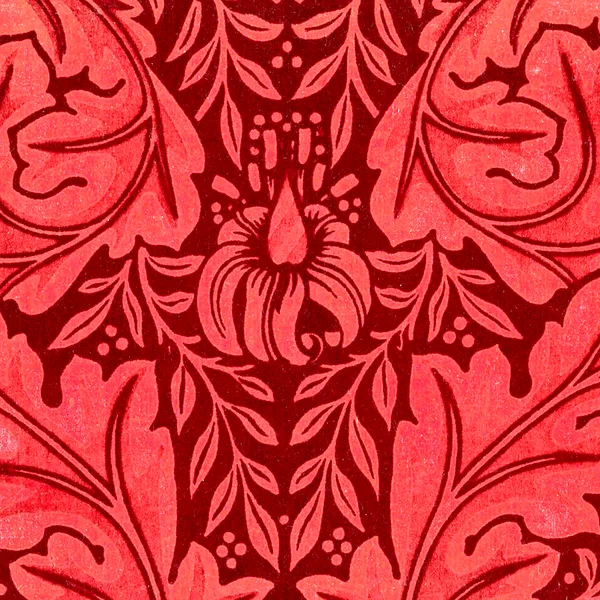
Acanthus1876 · William Morris
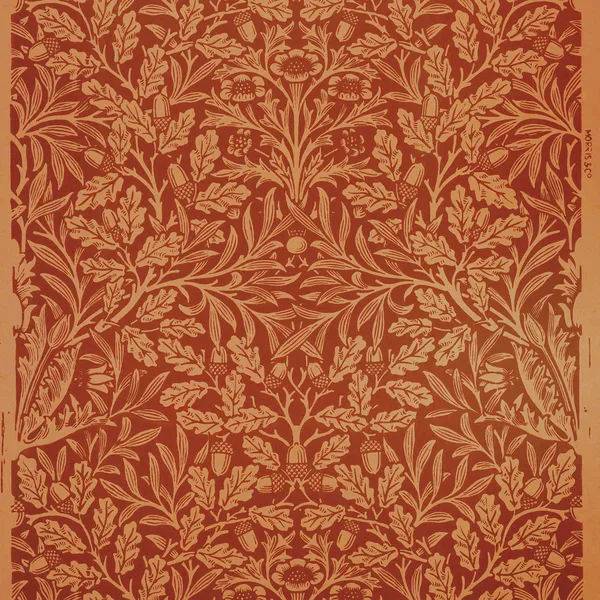
Acorn1880 · William Morris
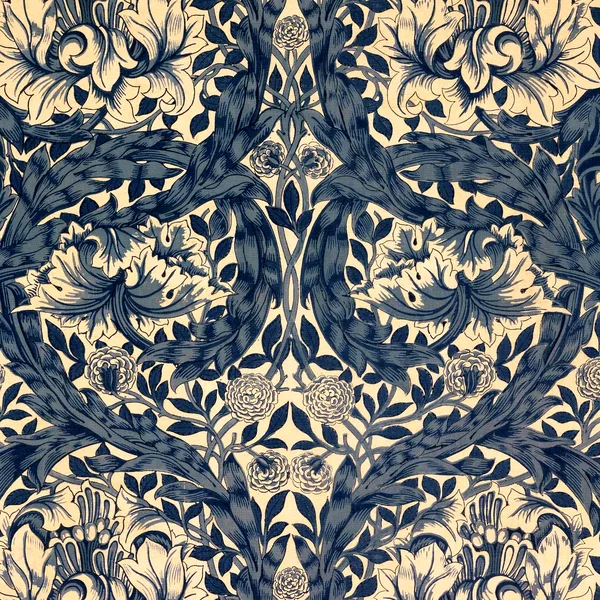
African Marigold1876 · William Morris
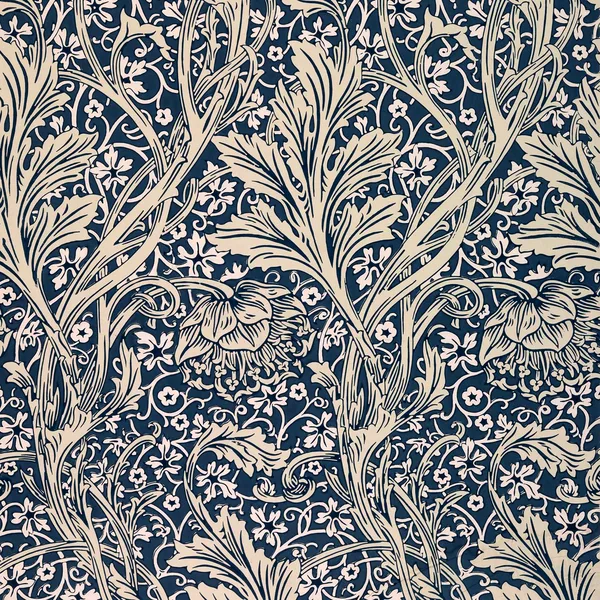
Arcadia1886 · May Morris
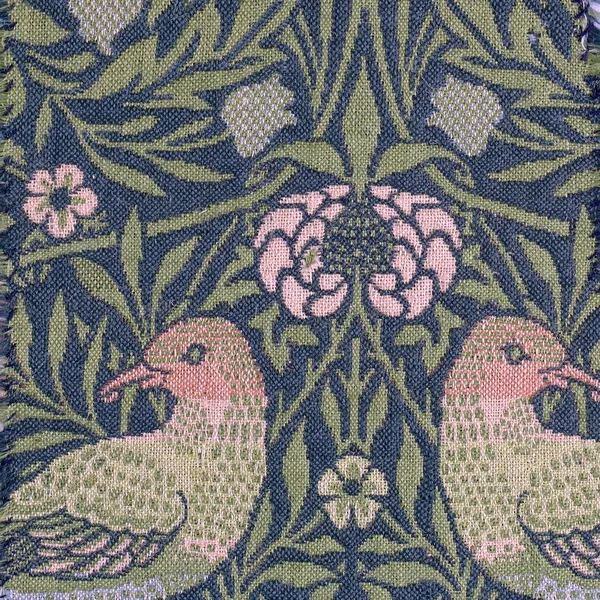
Bird1878 · William Morris
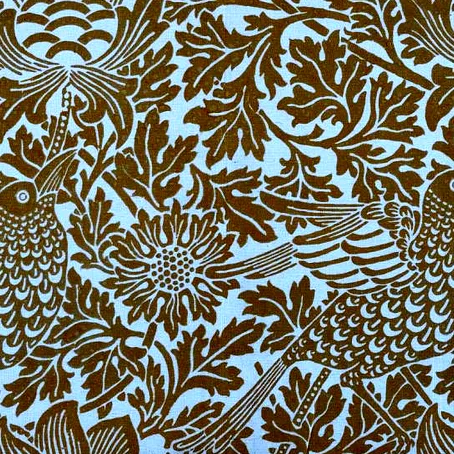
Bird and Anemone1881 · William Morris
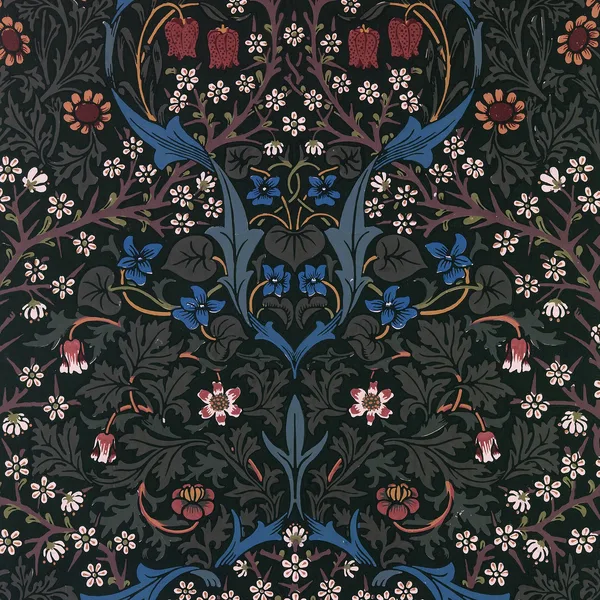
Blackthorn1892 · William Morris
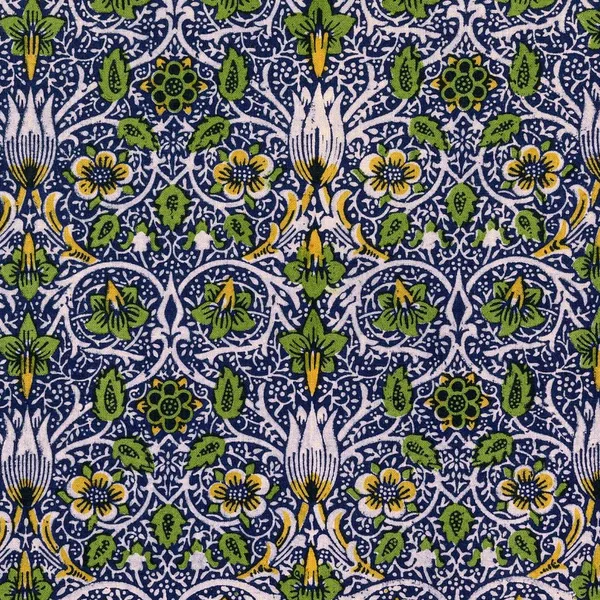
Borage1883 · William Morris
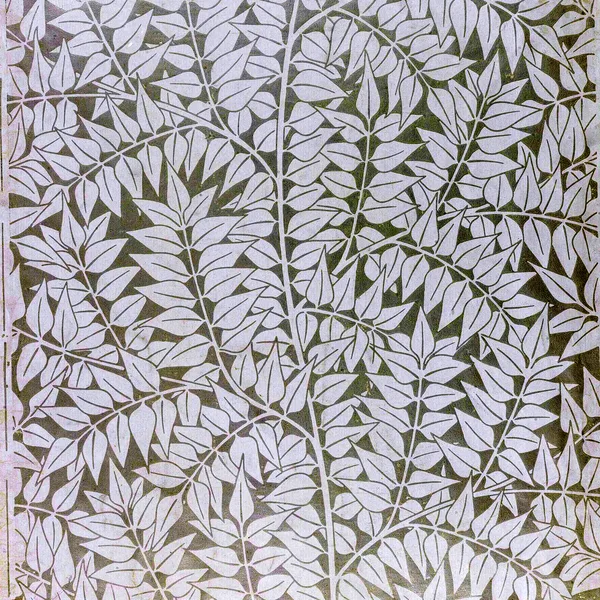
Branch1872 · William Morris
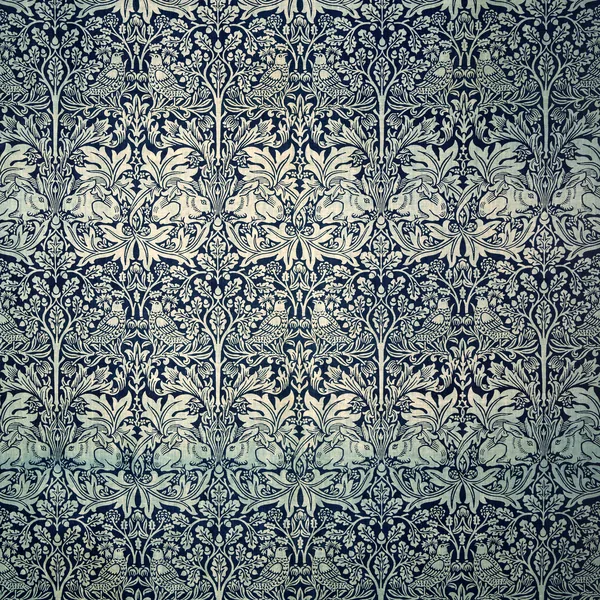
Brother Rabbit1882 · William Morris
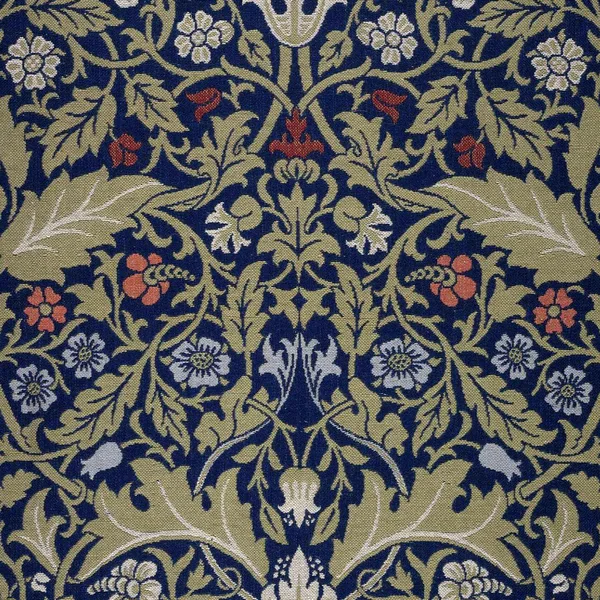
Campiondate unknown · Morris & Co. (designer not recorded)
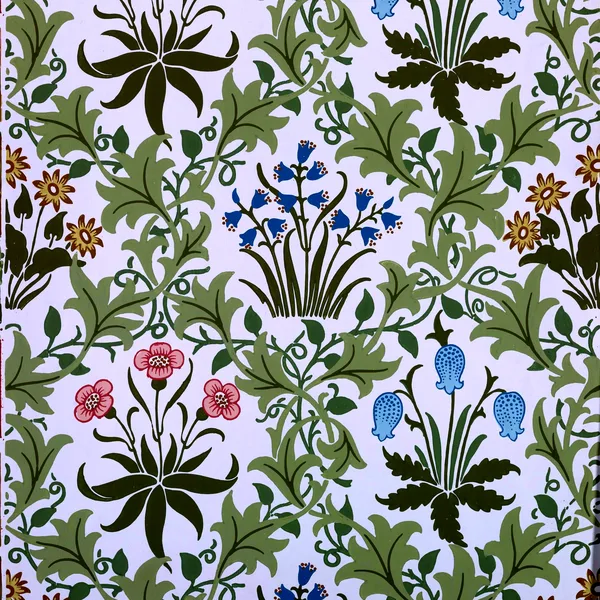
Celandine1872 · J.H. Dearle
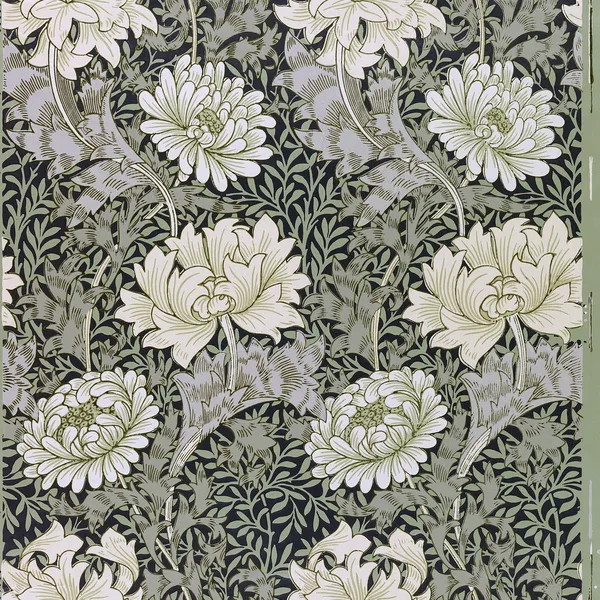
Chrysanthemum1877 · William Morris
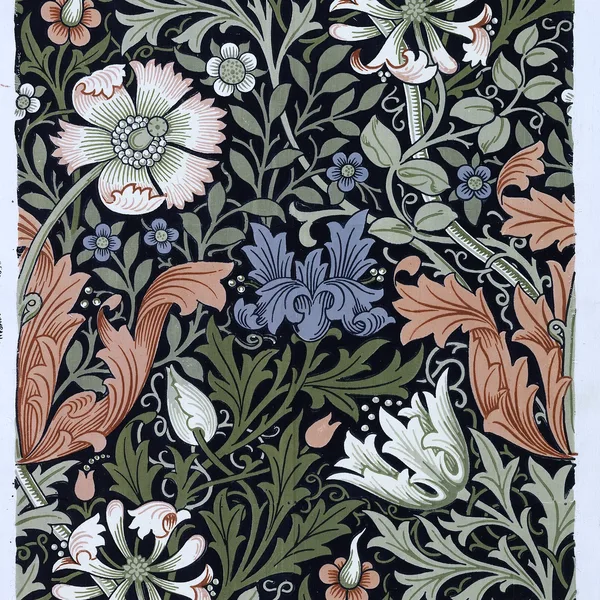
Compton1896 · J.H. Dearle
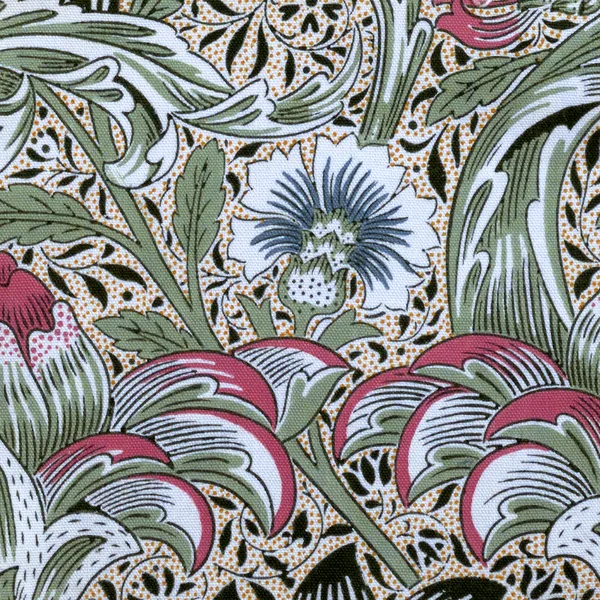
Corncockle1883 · William Morris
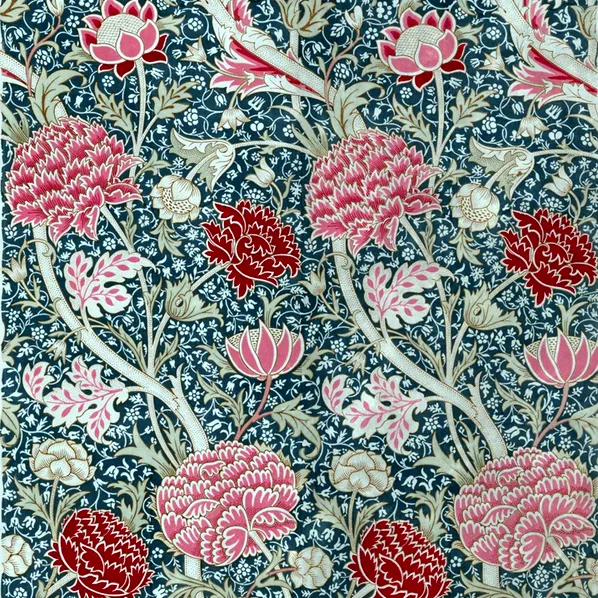
Cray1884 · William Morris
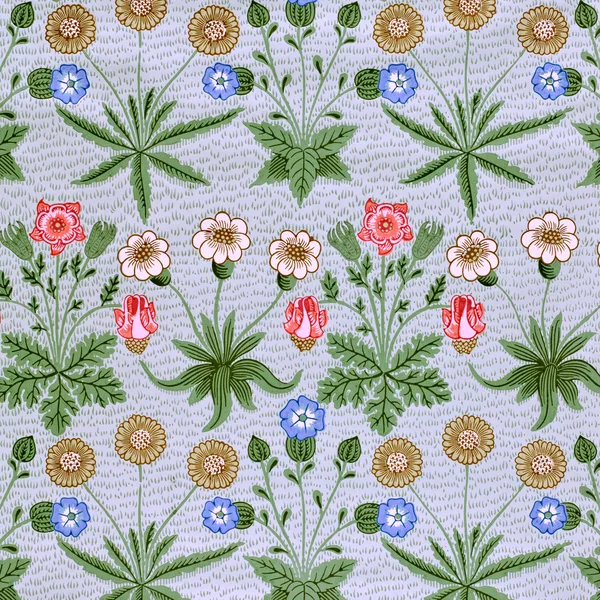
Daisy1862 · William Morris
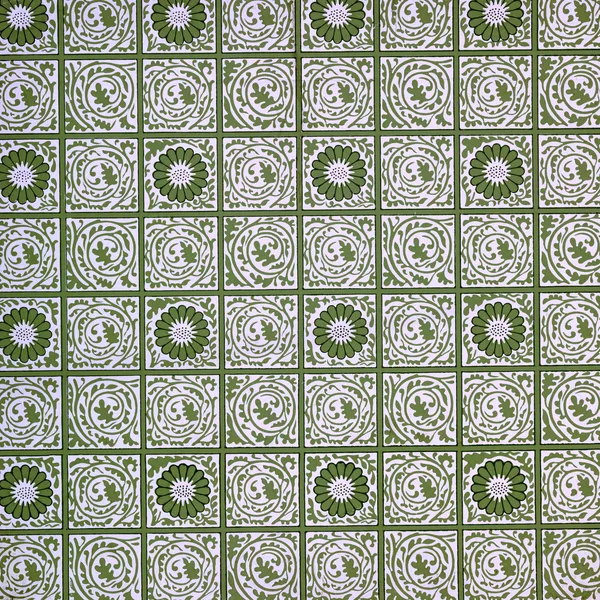
Diaper1863 · William Morris
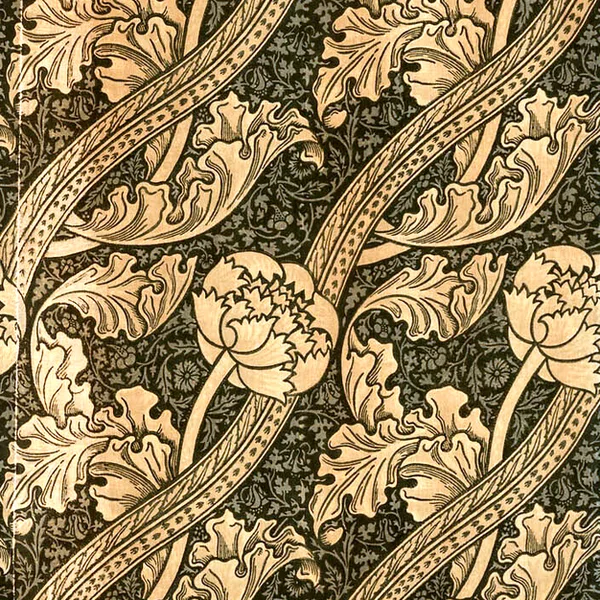
Florence1890 · J.H. Dearle
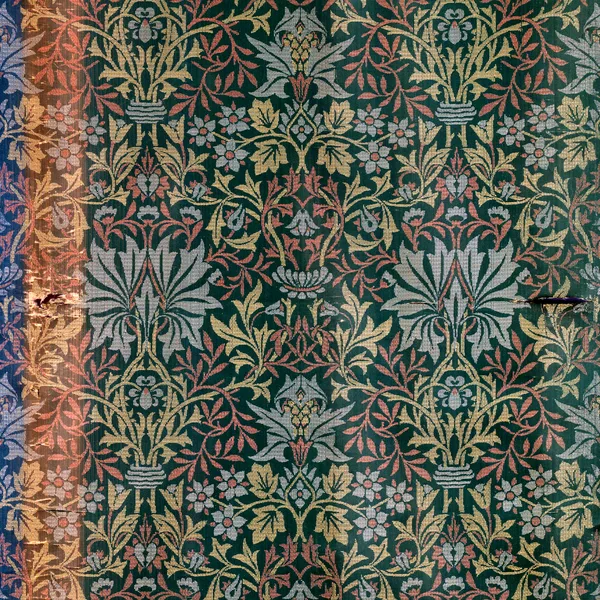
Flower Garden1879 · William Morris
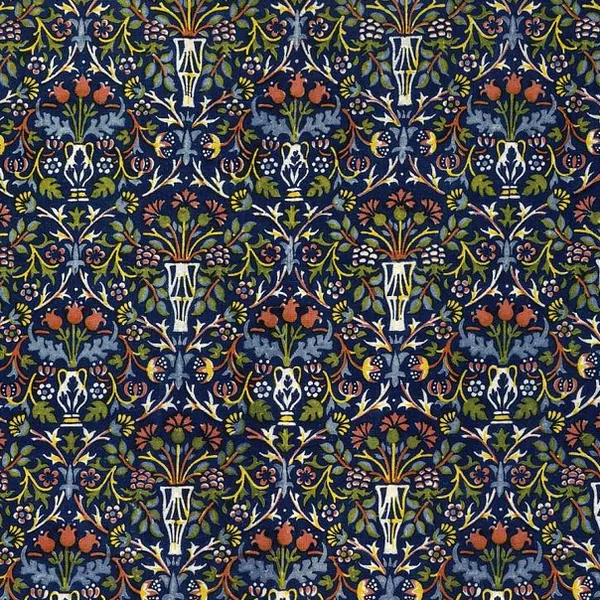
Flower Pot1883 · William Morris
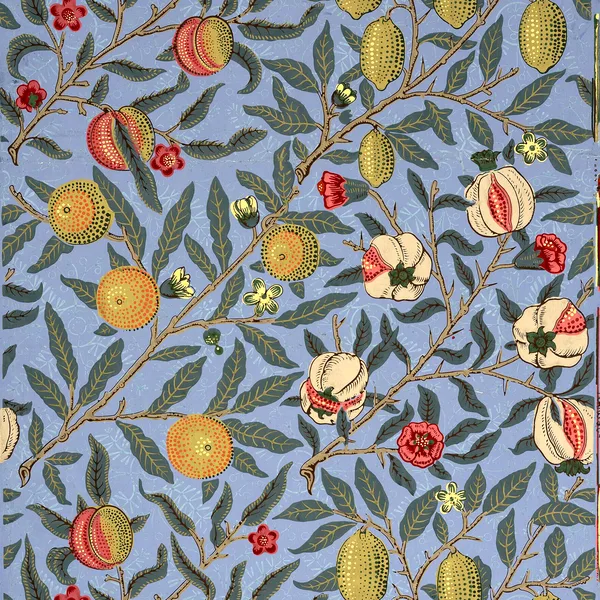
Fruit1862 · William Morris
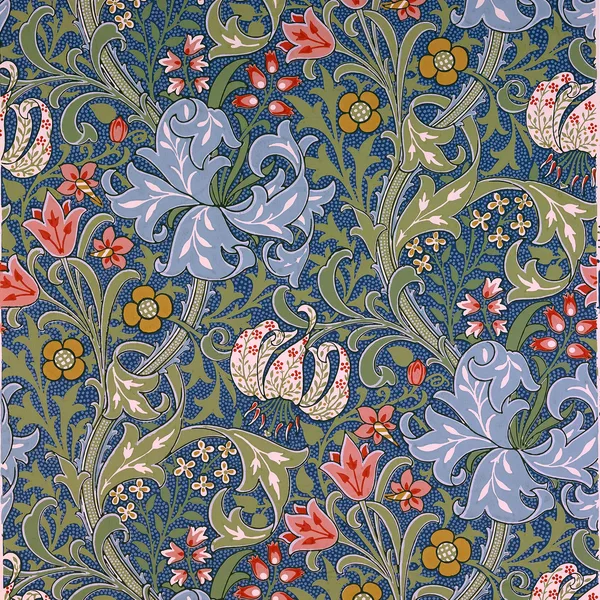
Golden Lily1899 · Morris & Co. (designer not recorded)
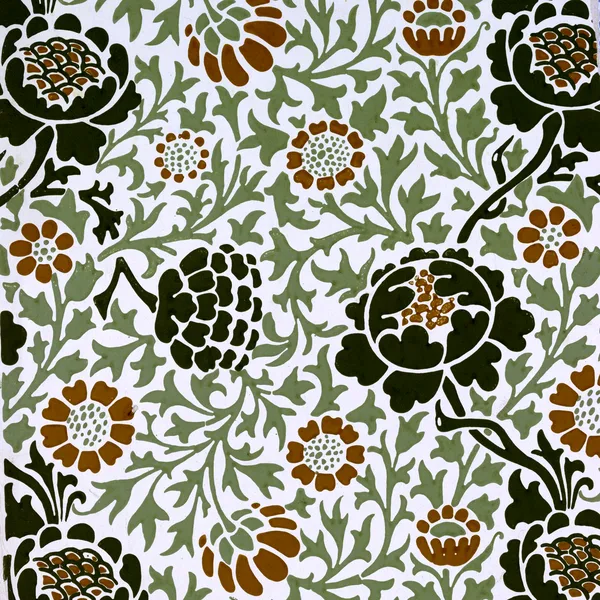
Grafton1883 · William Morris
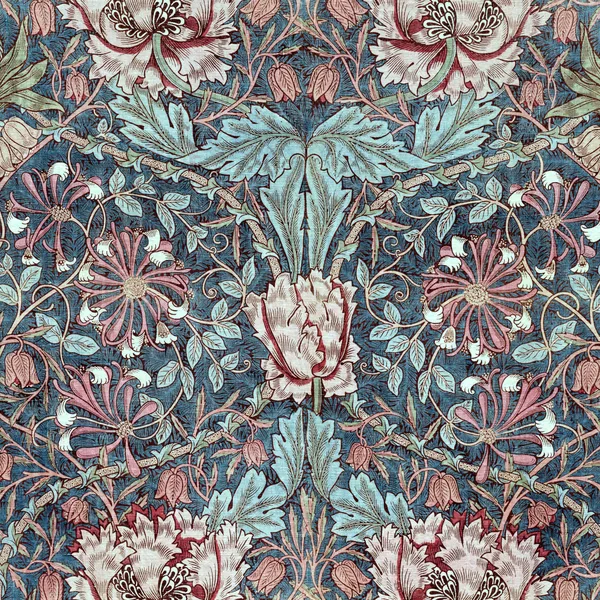
Honeysuckle1876 · William Morris
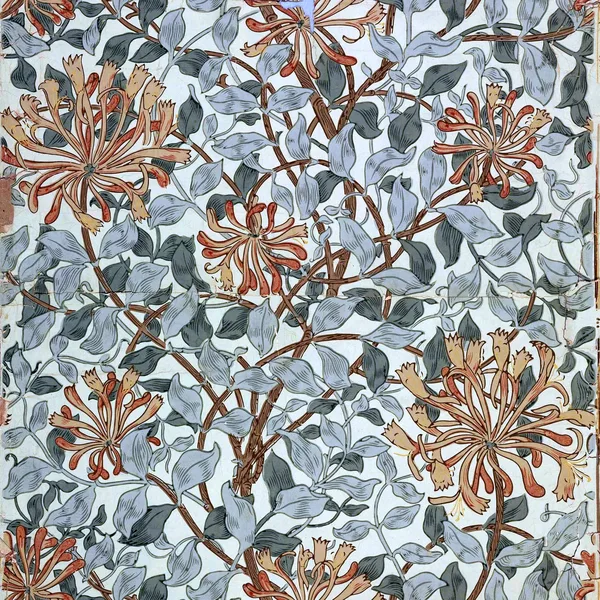
Honeysuckle1883 · May Morris
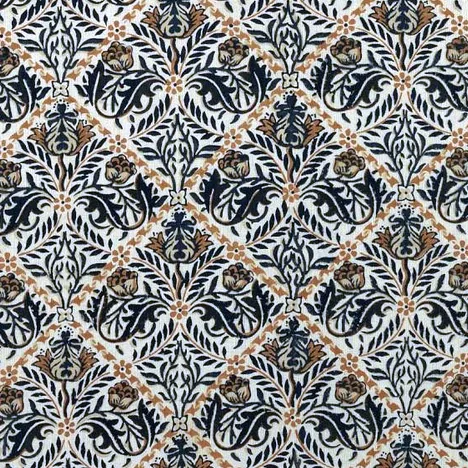
Indian Diaper1876 · William Morris
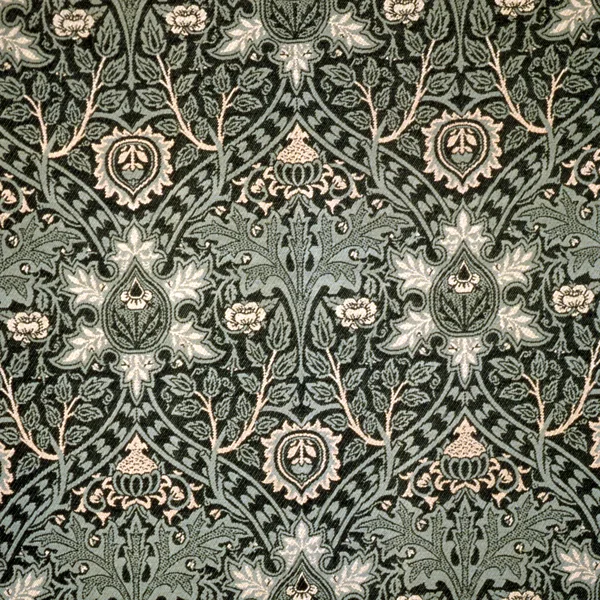
Ispahan1888 · J.H. Dearle
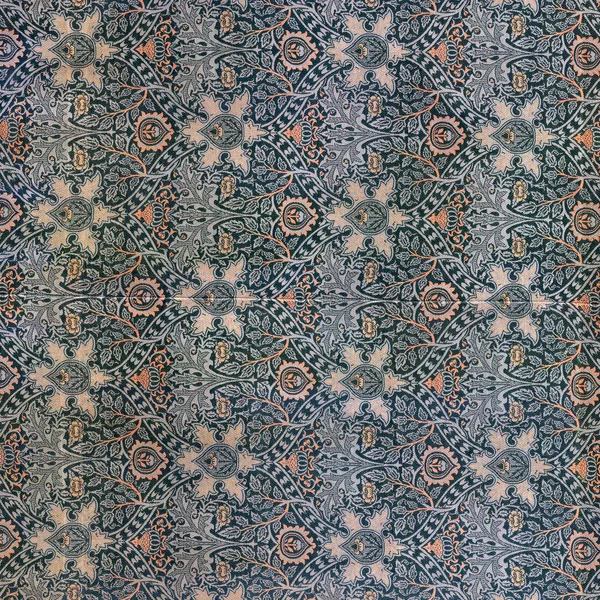
Ispahan1888 · William Morris
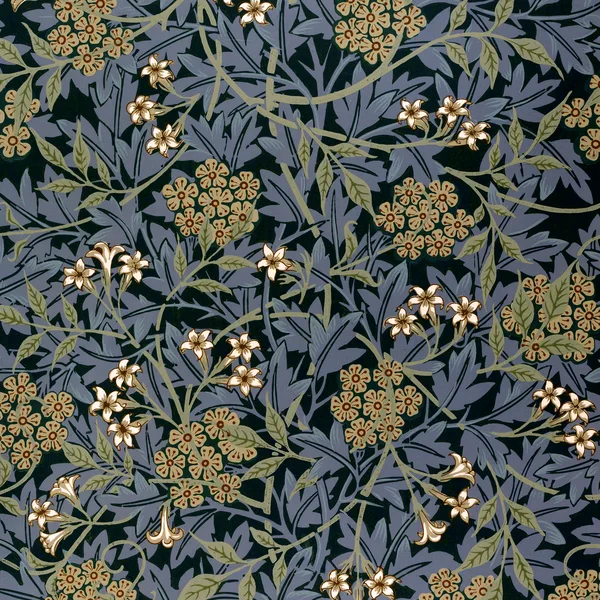
Jasmine1872 · William Morris
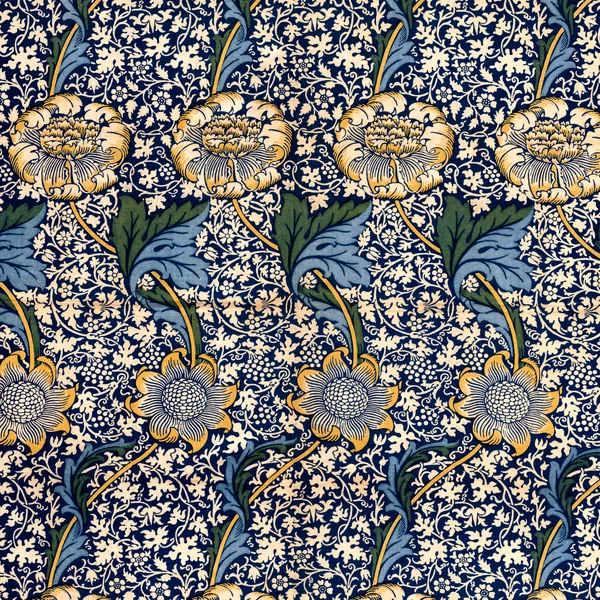
Kennet1883 · William Morris
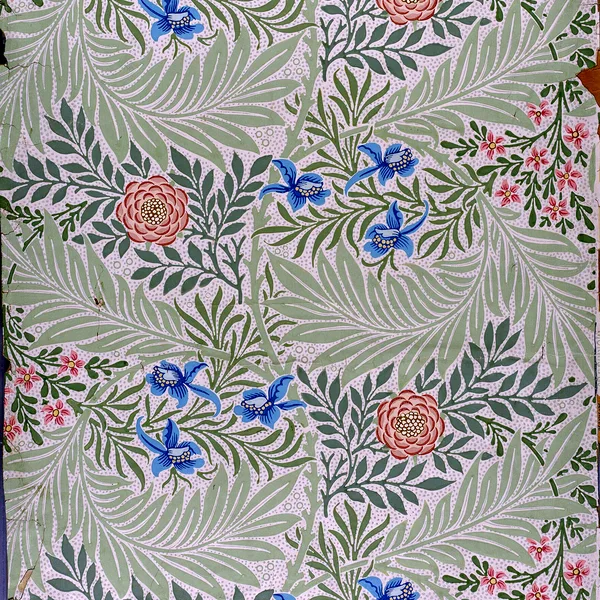
Larkspur1874 · William Morris
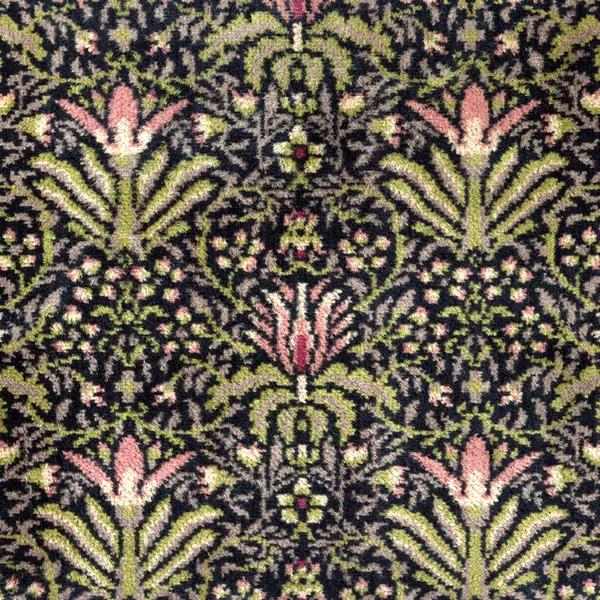
Lily1877 · William Morris
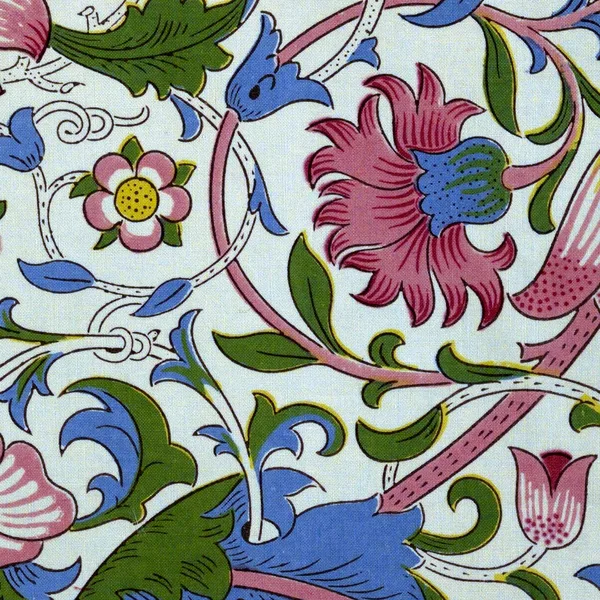
Lodden1884 · William Morris
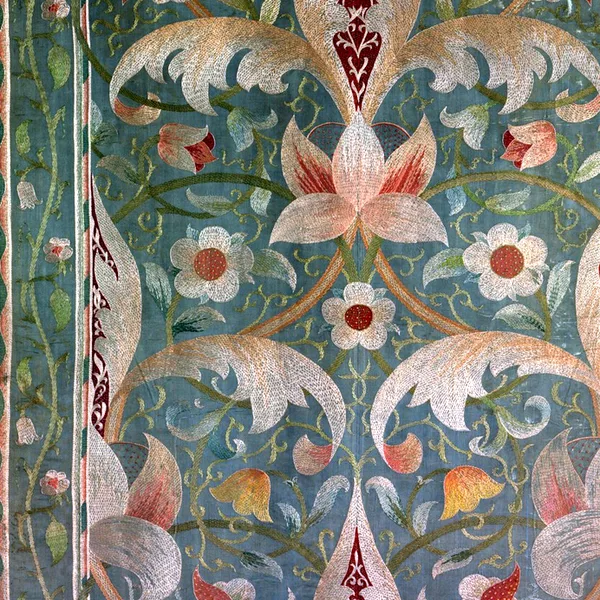
Lotus1888 · May Morris
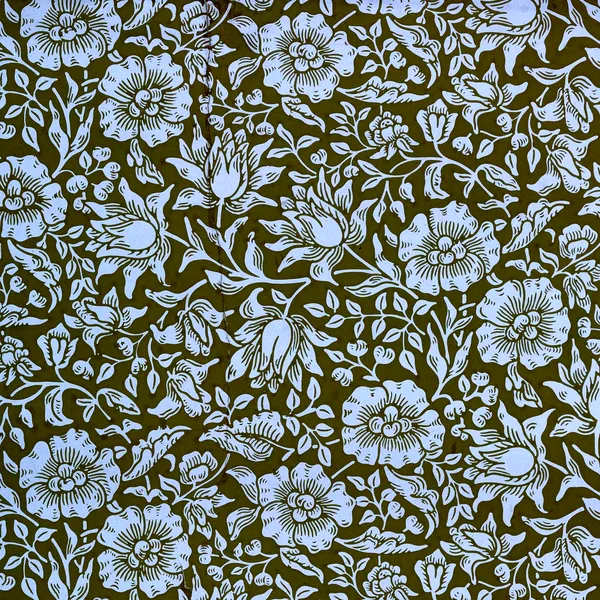
Mallow1879 · Kate Faulkner
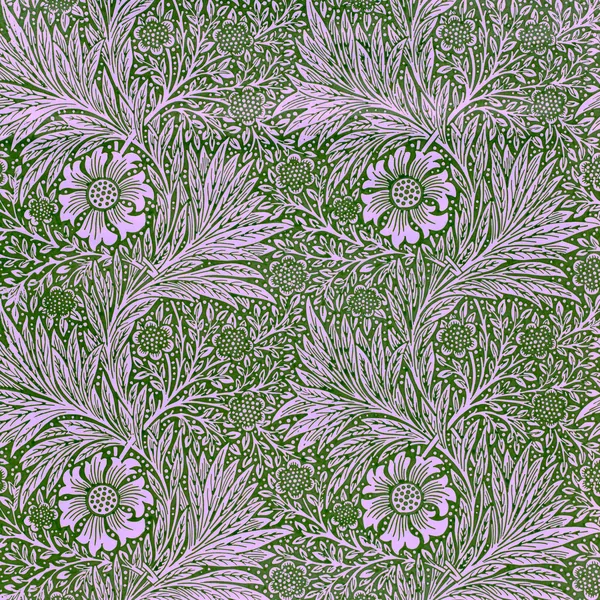
Marigold1873 · William Morris
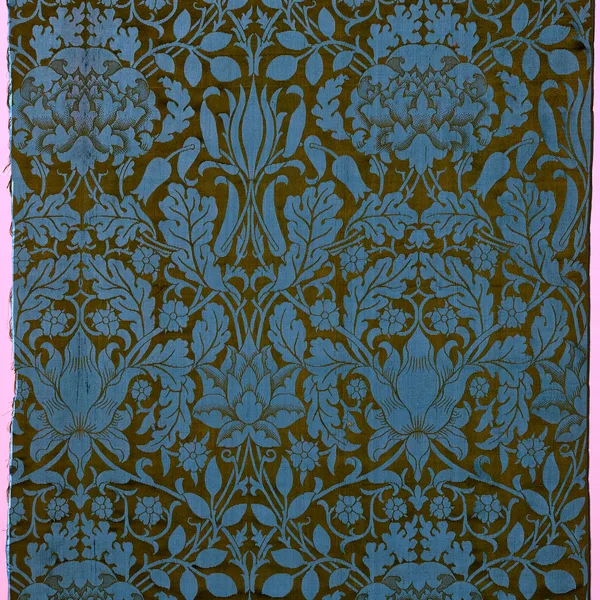
Oak1881 · William Morris
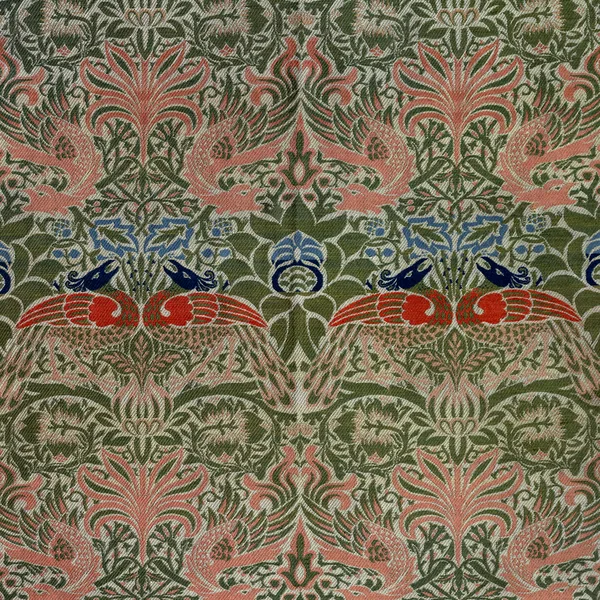
Peacock and Dragon1878 · William Morris
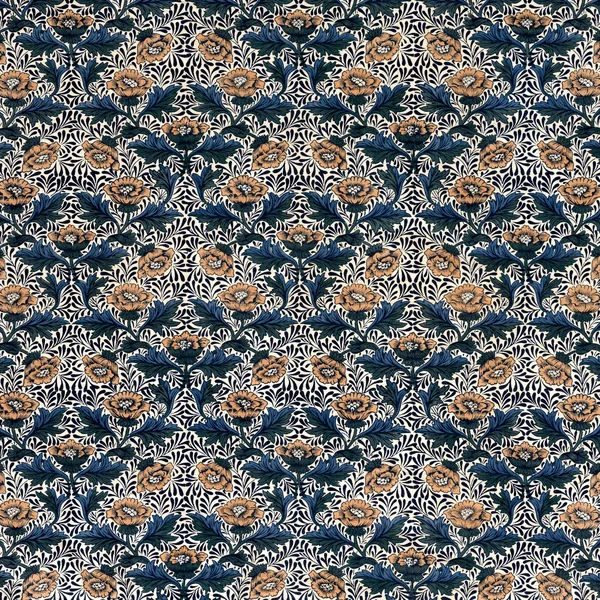
Peonydate unknown · Kate Faulkner
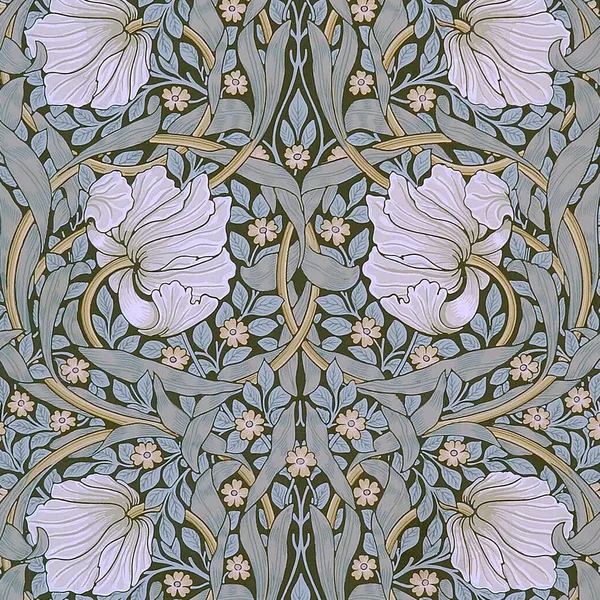
Pimpernel1876 · William Morris
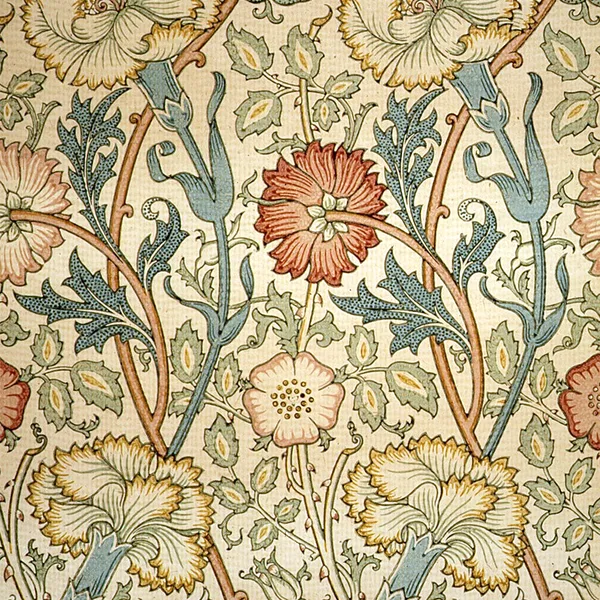
Pink and Rose1890 · William Morris
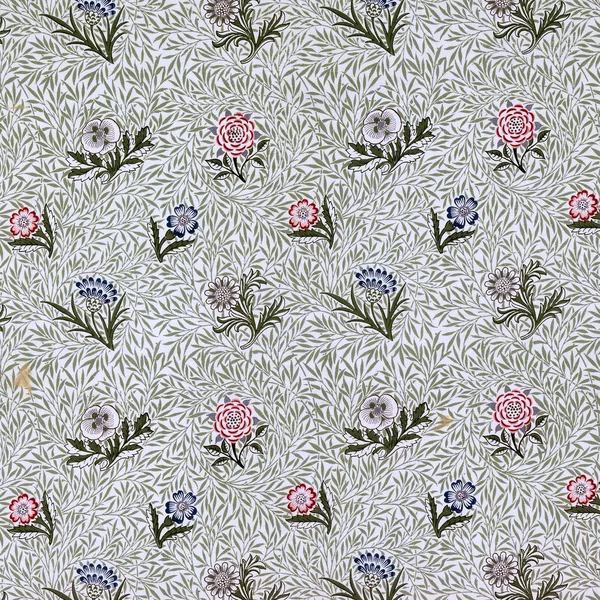
Powdered1874 · William Morris
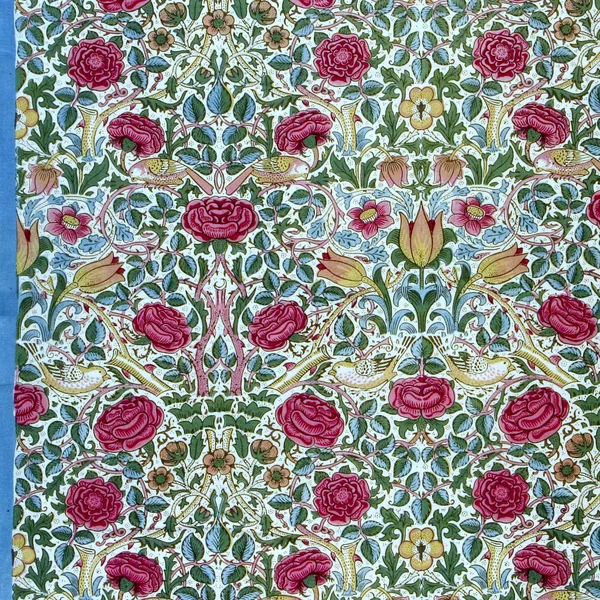
Rose1883 · William Morris
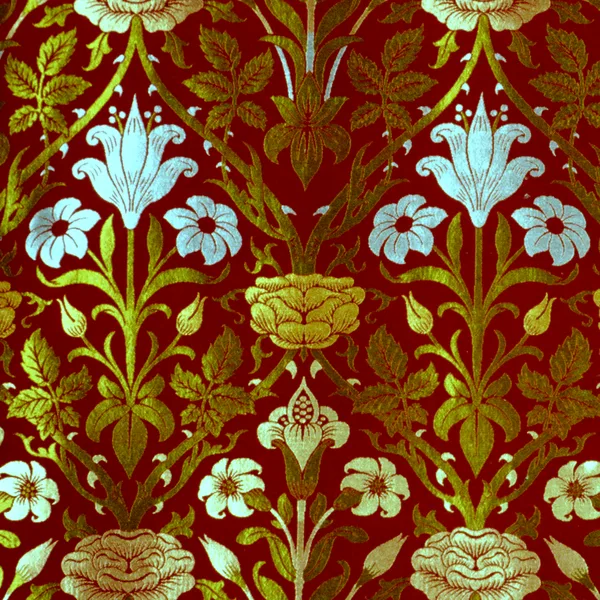
Rose and Lily1893 · J.H. Dearle
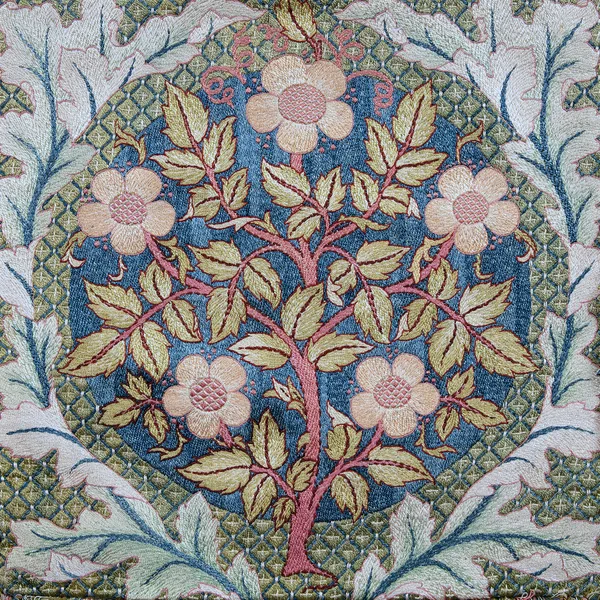
Rose Wreathdate unknown · William Morris
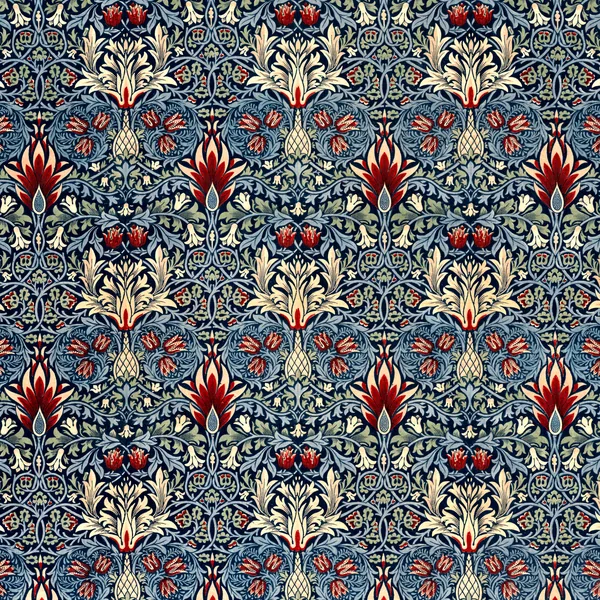
Snakeshead1876 · William Morris
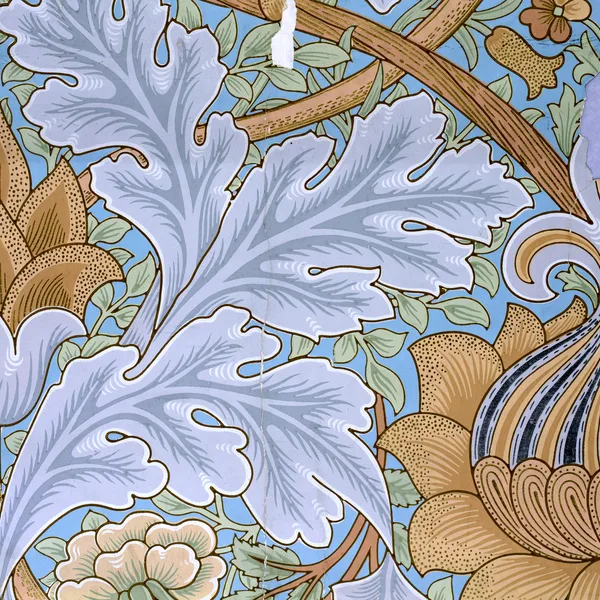
St James1881 · William Morris
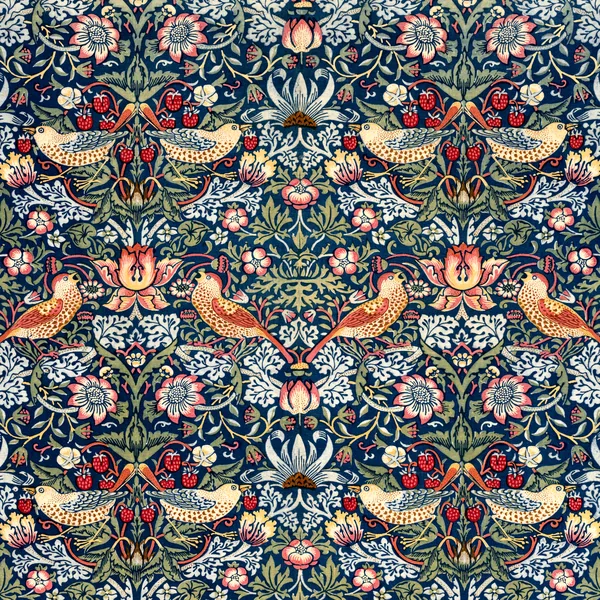
Strawberry Thief1883 · William Morris
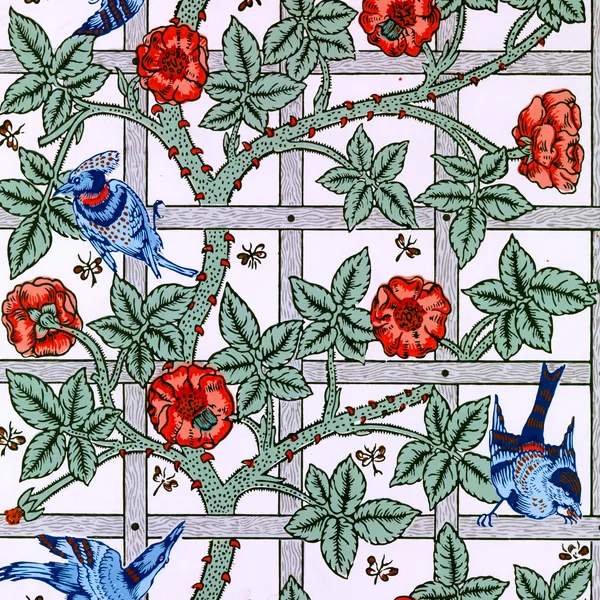
Trellis1862 · William Morris
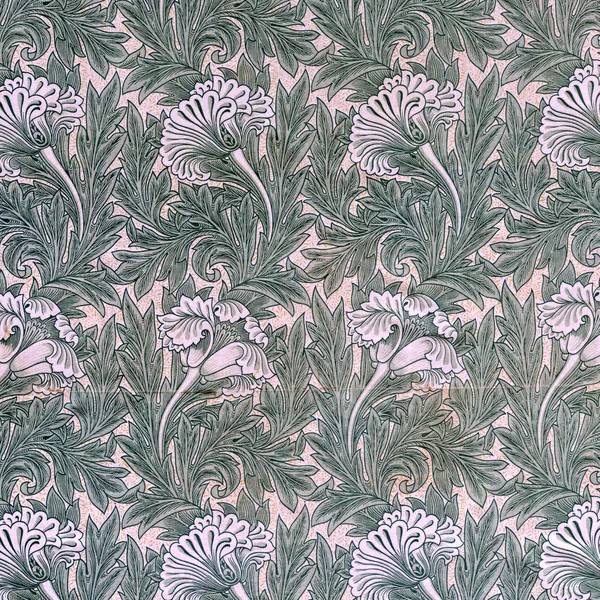
Tulip1875 · William Morris
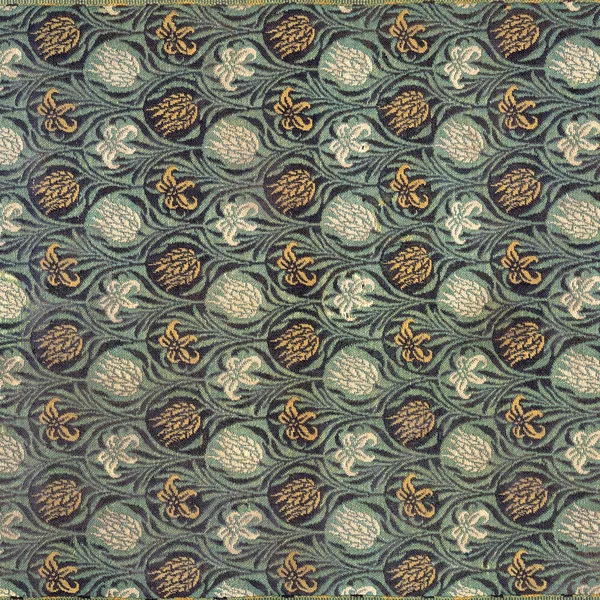
Tulip and Lily1875 · William Morris
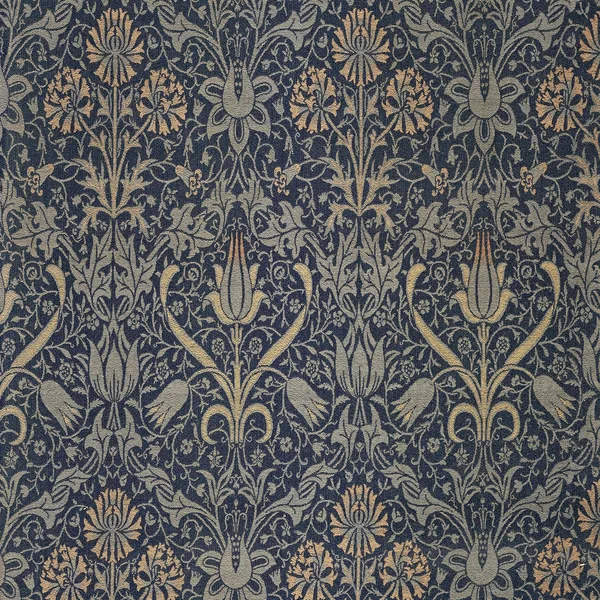
Tulip and Net1888 · William Morris
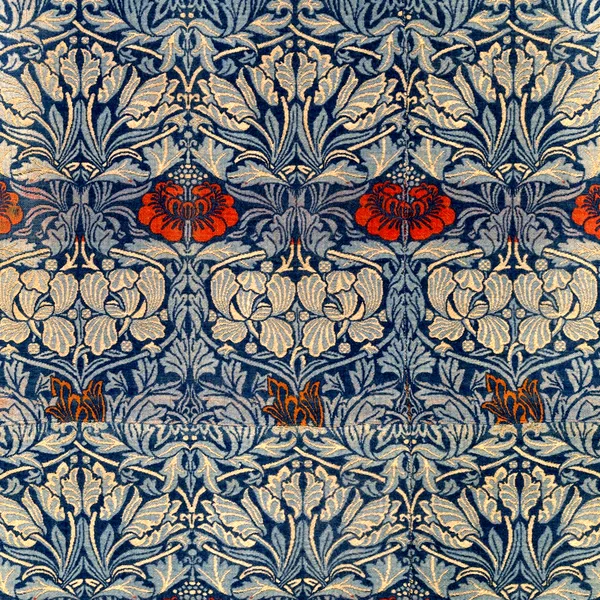
Tulip and Rose1876 · William Morris
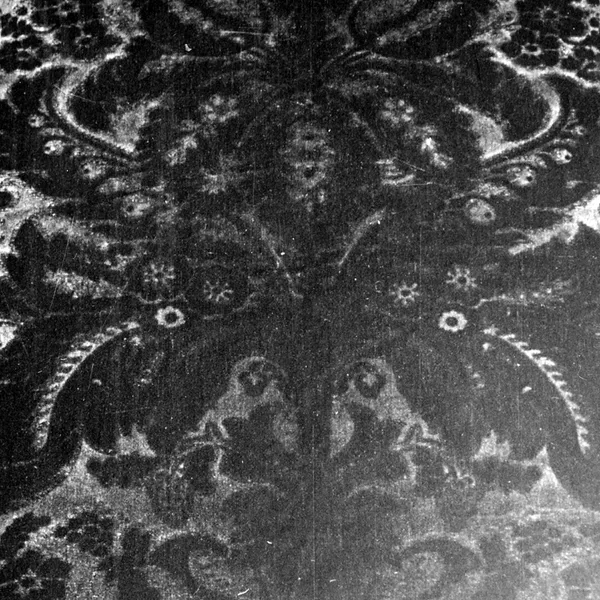
Utrecht Velvet1871 · William Morris
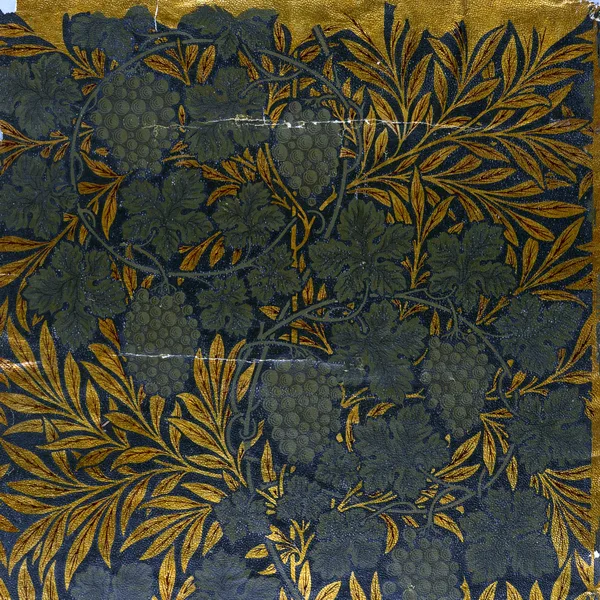
Vine1873 · William Morris
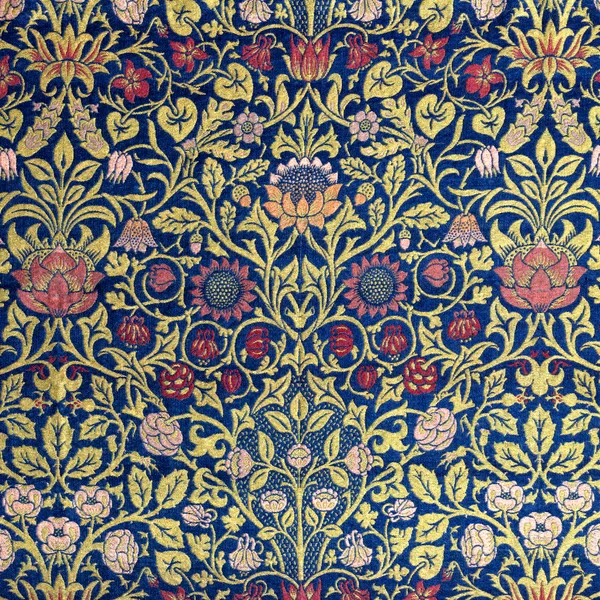
Violet and Columbine1883 · William Morris
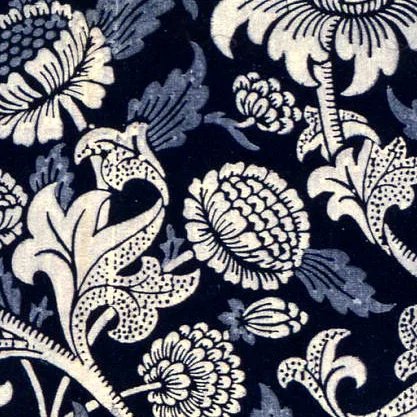
Wey1883 · William Morris
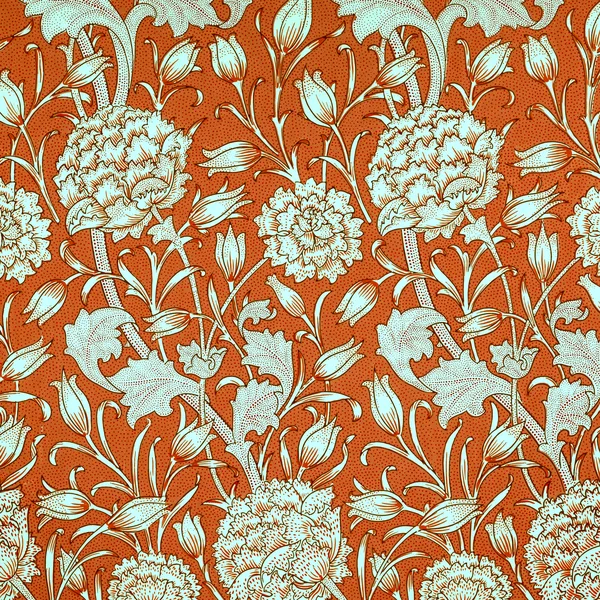
Wild Tulip1884 · William Morris
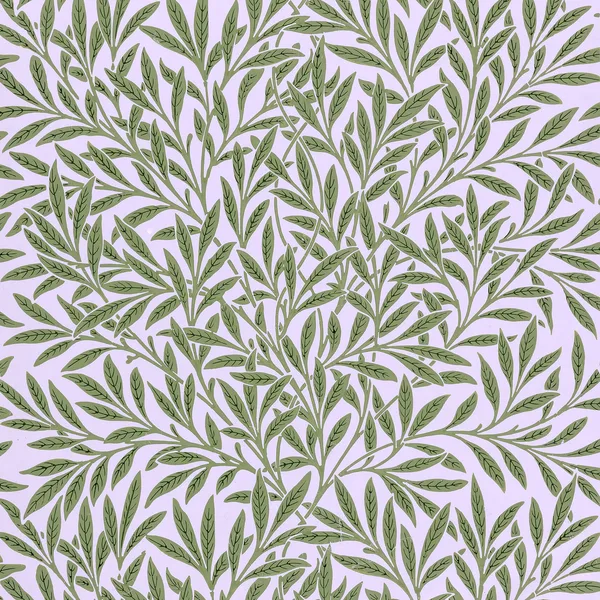
Willow1874 · William Morris
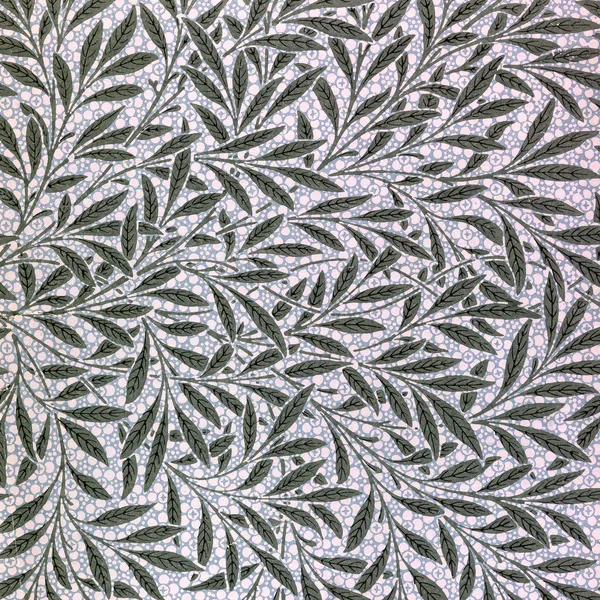
Willow Bough1887 · William Morris
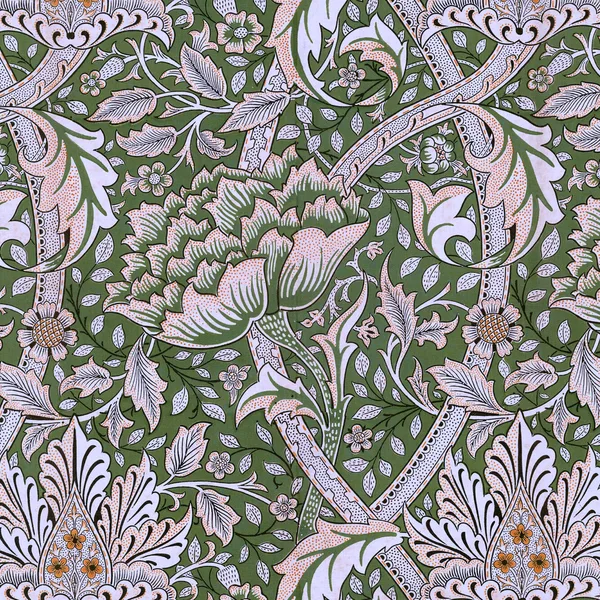
Windrush1883 · William Morris
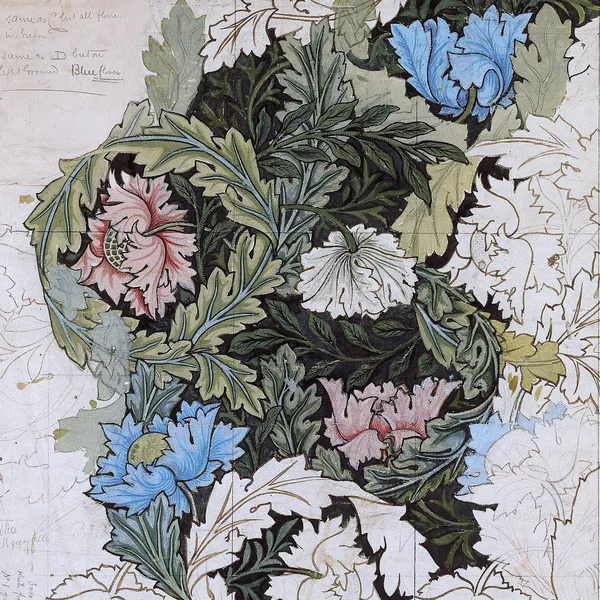
Wreath1876 · William Morris
William Morris wall art for your home
William Morris wall art offers repeating botanical patterns created for Victorian interiors, adapted as individual art prints for your home. These prints present the work of William Morris and his circle, who founded Morris, Marshall, Faulkner & Co. in 1861 before reorganizing as Morris & Co. in 1875.
You can explore every William Morris design, with year, designer and type across our collection. The patterns feature climbing branches, wild birds, and dense garden florals, drawn from historic block-printed wallpapers and woven or printed fabrics.
Which designs suit which rooms
Historical records show that Morris & Co. installed patterns in varied living quarters. For private rooms, Emperor Nicholas II selected the Garden Tulip wallpaper for the Imperial Winter Palace in 1895. In London, the Green Dining Room at the South Kensington Museum displayed panels of fruit, flowers, and olive branches by Morris and Philip Webb.
Standen, a house in West Sussex designed by Webb between 1892–1894, integrated wallpapers, fabrics, and carpets throughout the family residence. You can select single William Morris posters for smaller rooms or narrow wall spaces. For wider expanses in living rooms or dining areas, William Morris poster sets (2 or 3 prints) combine two or three coordinating designs to hang side by side.
Canvas or paper
All prints are printed and shipped by ArtsyWall in three formats: Archival Paper, Premium Canvas, and Framed Canvas.
Archival Paper is an unframed, heavyweight 340gsm cotton rag paper with a subtle texture and watercolor feel. It ships rolled in a tube, allowing you to frame it behind glass.
Premium Canvas uses thick, acid-free archival canvas hand-stretched on solid wood bars. ArtsyWall uses giclée printing rated fade-resistant for more than 100 years. This format arrives ready to hang with a sawtooth hanger mounted on the back.
Framed Canvas mounts the stretched canvas inside a wood floating frame, leaving a small gap around the edges so the image appears suspended. This format comes in six frame finishes: black, white, gold, silver, walnut, and oak. It arrives with a hanging wire attached.
Pattern as art
During the nineteenth century, Morris revived hand woodblock printing and natural dyeing with madder and indigo, turning away from roller printing and synthetic aniline dyes. Our guide: William Morris, life and work details how he organized workshop production at Queen Square and the Merton Abbey Works.
While Morris drew famous patterns such as Garden Tulip, several lasting designs came from his colleagues. John Henry Dearle began as a shop assistant in 1878 and became the firm’s head designer by 1890. Dearle created patterns like Trent, Daffodil, and Compton, which are often attributed to Morris himself. Displaying a single repeating panel lets you study the balance of intertwined foliage, petals, and background motifs as an independent work of art.
Questions and answers
Who designed William Morris wall art prints?
The patterns were created by William Morris, John Henry Dearle, May Morris, and Kate Faulkner. Although many patterns are marketed under the name of William Morris, Dearle designed several late nineteenth-century releases for Morris & Co., including Compton, Daffodil, and Trent. May Morris directed the embroidery section, while Kate Faulkner contributed decorative patterns for the firm.
What room suits a William Morris print?
Historic records show that William Morris patterns suit dining rooms, living areas, hallways, and private bedrooms. For example, Emperor Nicholas II chose the Garden Tulip pattern for his private rooms in the Imperial Winter Palace in 1895. In West Sussex, Standen featured Morris wallpapers and textiles across family living spaces. You can hang prints wherever their botanical forms balance your wall dimensions.
Should I choose canvas or paper for a William Morris print?
Your choice depends on the framing style you prefer. Archival Paper is a 340gsm cotton rag fine art print with a watercolor texture, suited for traditional frames behind glass. Premium Canvas and Framed Canvas feature thick, acid-free archival canvas hand-stretched on solid wood bars. Both canvas options arrive ready to display without glazing, while Framed Canvas adds a wood floating frame.
What frame goes with a William Morris print?
ArtsyWall provides wood floating frames in six finishes: black, white, gold, silver, walnut, and oak. These floating frames create a slim gap between the outer edge of the stretched canvas and the interior moulding. For Archival Paper prints, the artwork ships rolled in a tube, which lets you match the print to any standard glass frame of your choosing.