William Morris Posters
A William Morris poster brings historic British pattern design into your home as an unframed fine art print. Browse repeating florals, fruit branches, and foliage printed on heavyweight cotton rag paper.
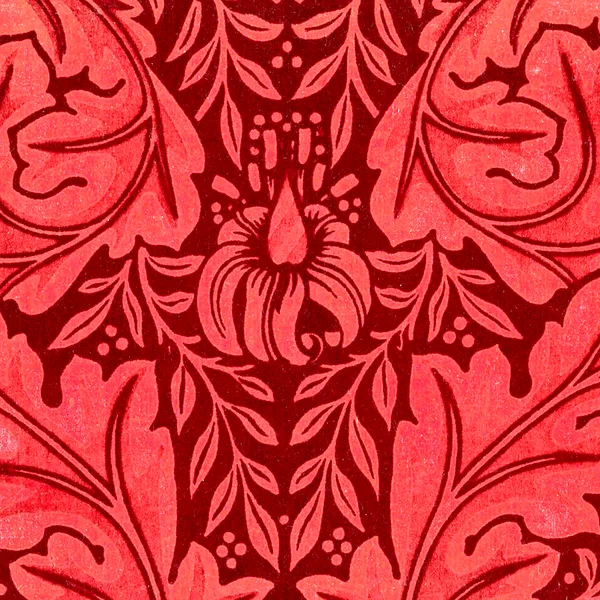
Acanthus1876 · William Morris
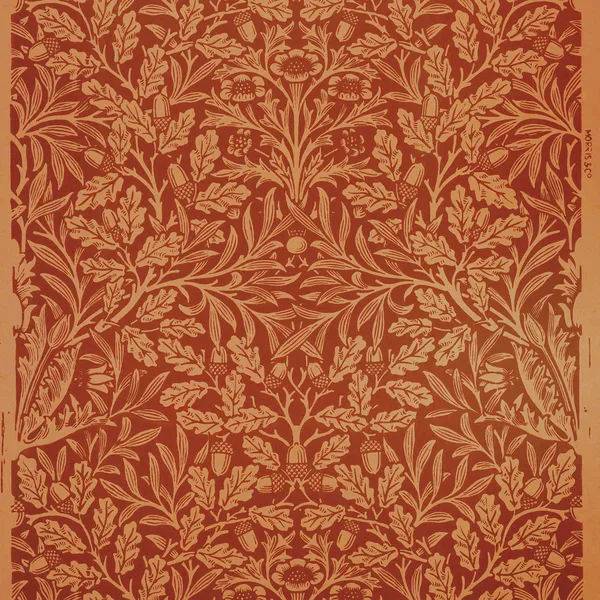
Acorn1880 · William Morris
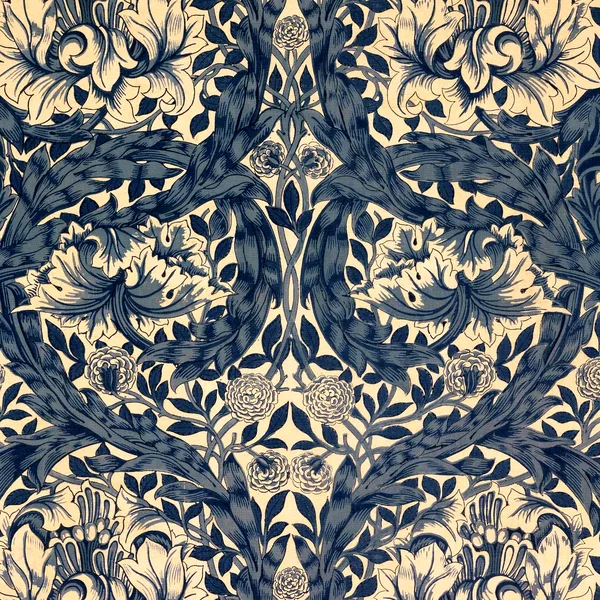
African Marigold1876 · William Morris
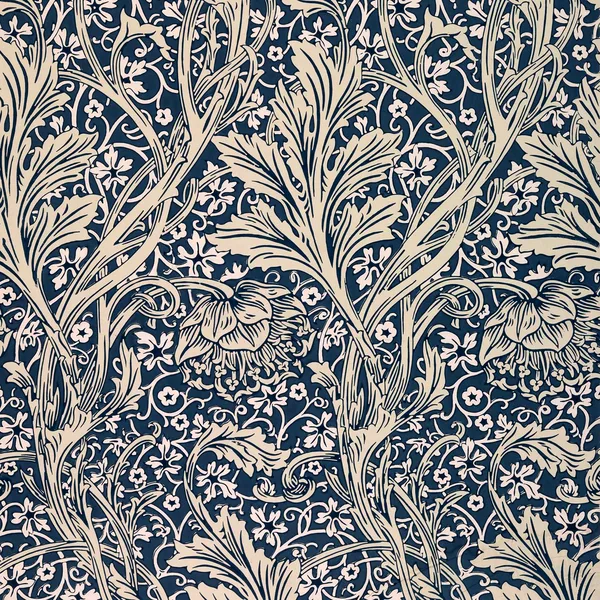
Arcadia1886 · May Morris
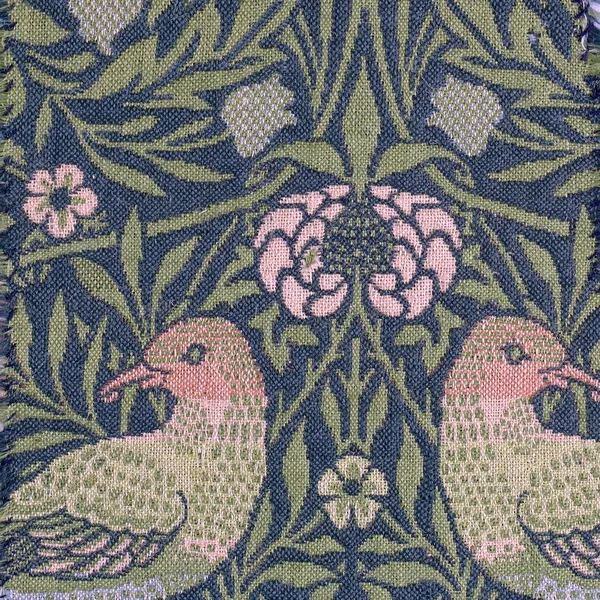
Bird1878 · William Morris
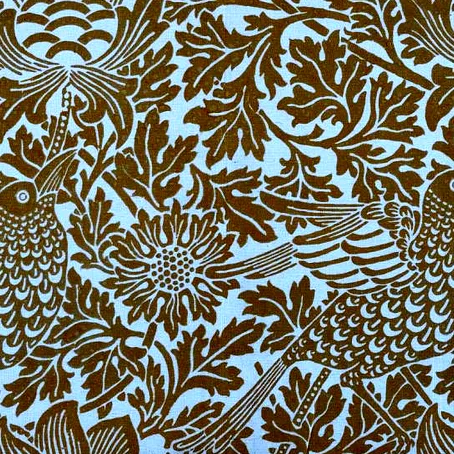
Bird and Anemone1881 · William Morris
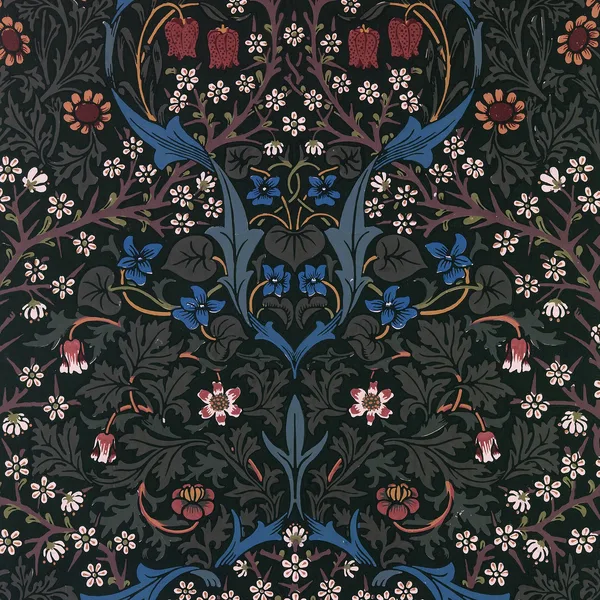
Blackthorn1892 · William Morris
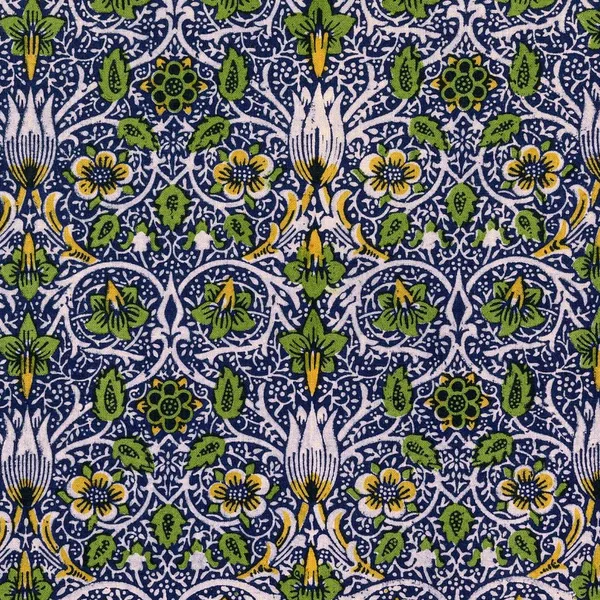
Borage1883 · William Morris
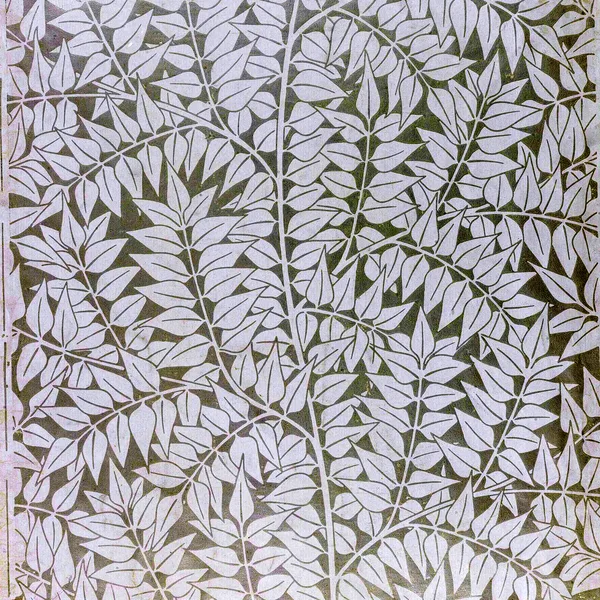
Branch1872 · William Morris
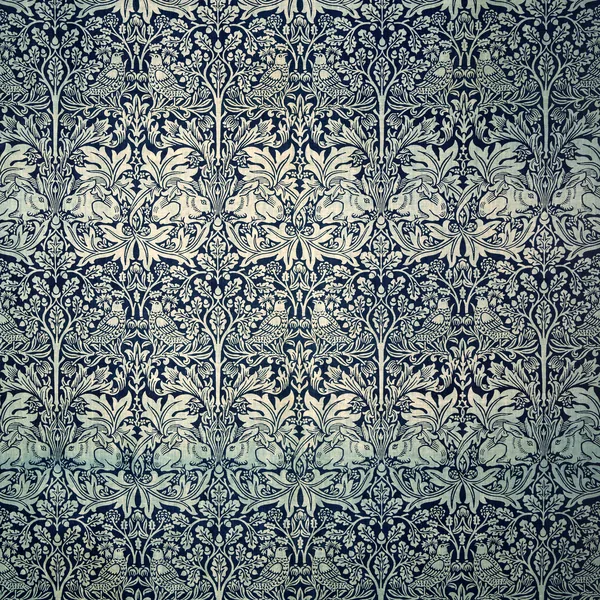
Brother Rabbit1882 · William Morris
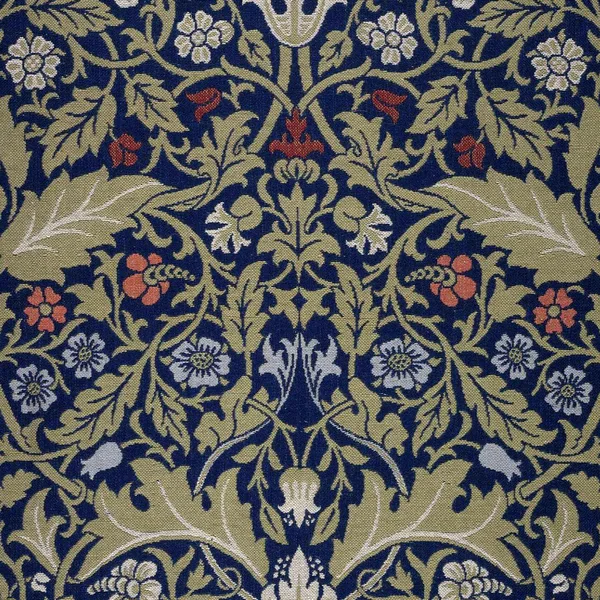
Campiondate unknown · Morris & Co. (designer not recorded)
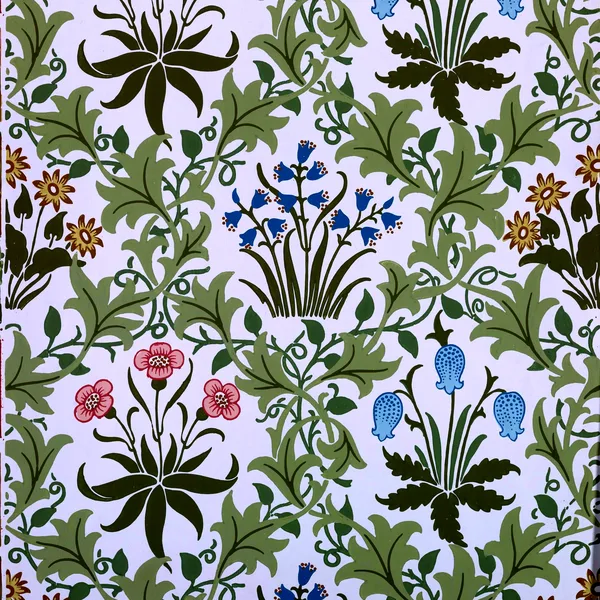
Celandine1872 · J.H. Dearle
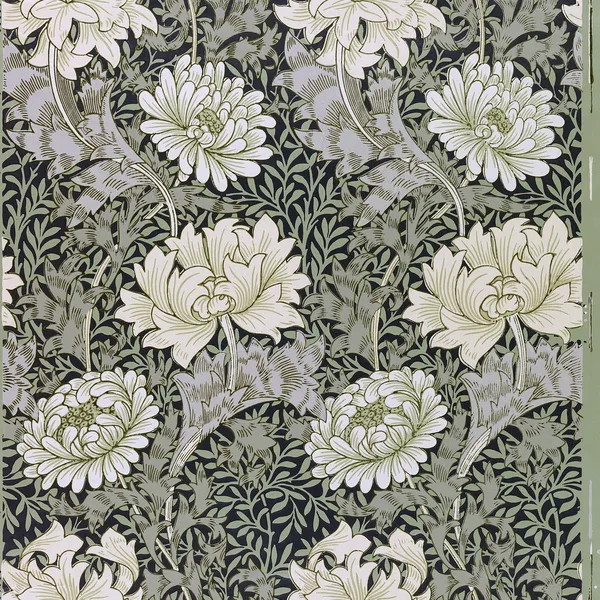
Chrysanthemum1877 · William Morris
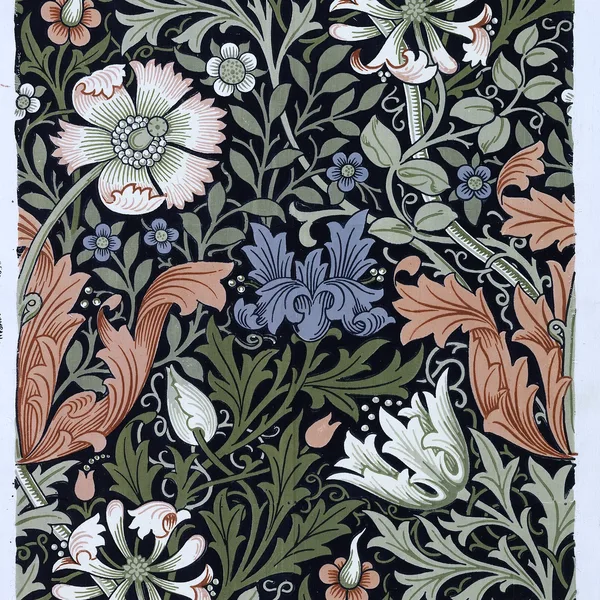
Compton1896 · J.H. Dearle
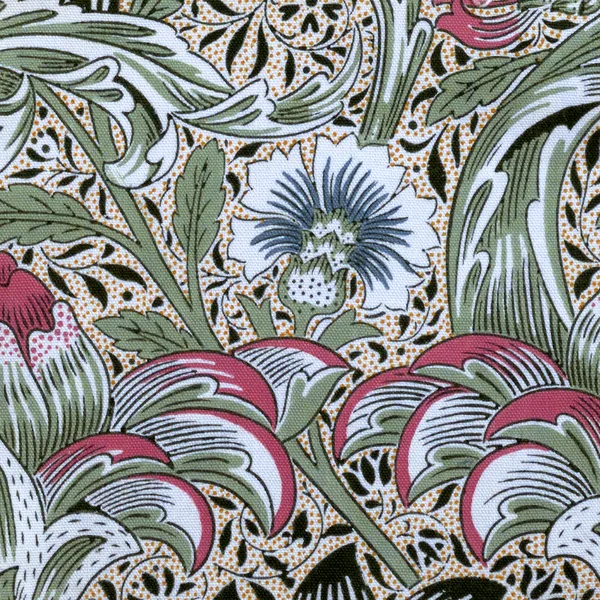
Corncockle1883 · William Morris
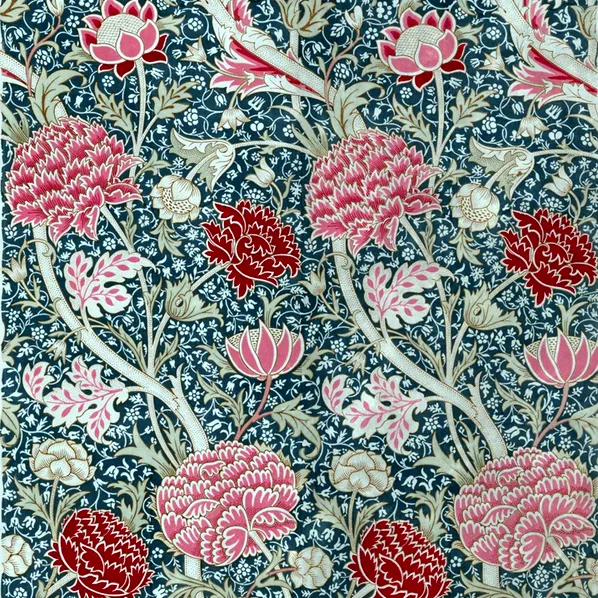
Cray1884 · William Morris
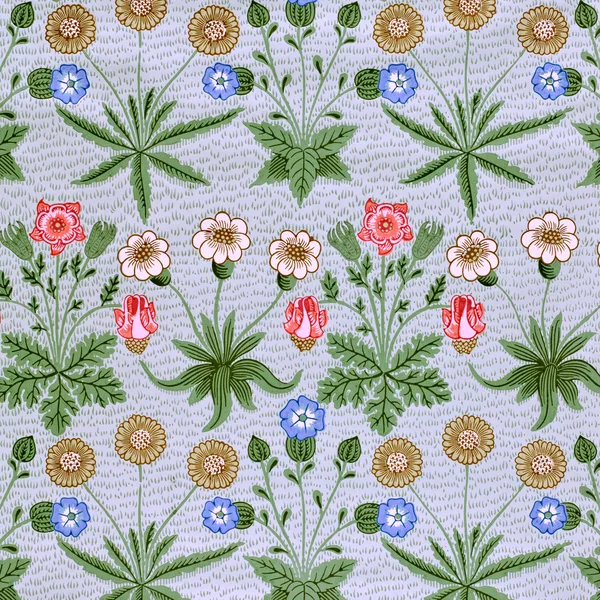
Daisy1862 · William Morris
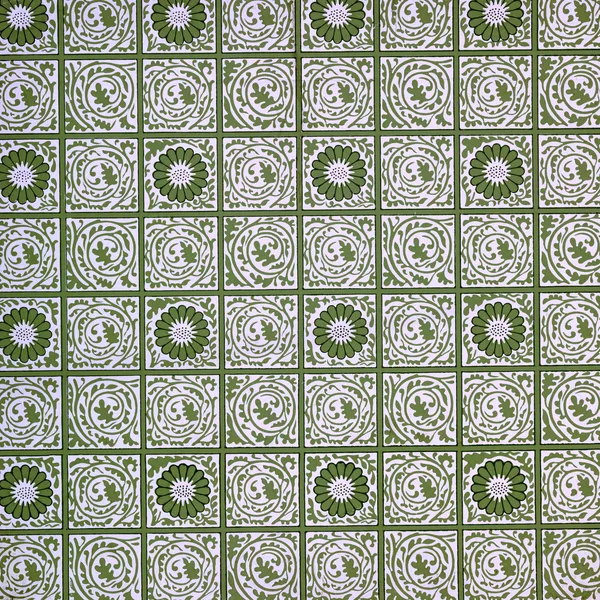
Diaper1863 · William Morris
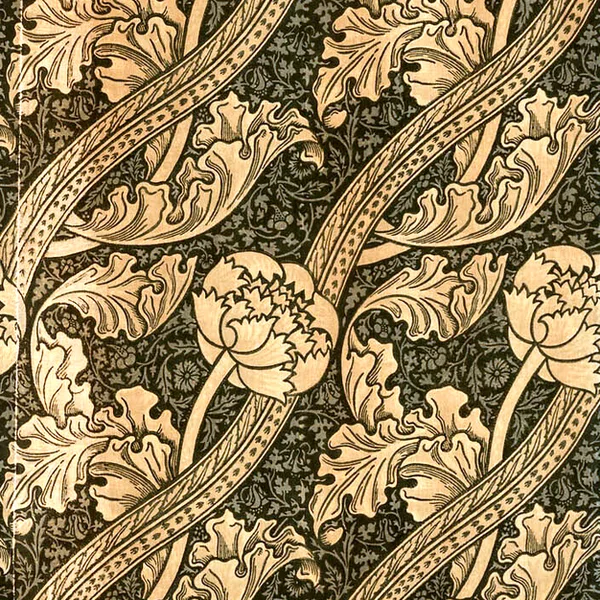
Florence1890 · J.H. Dearle
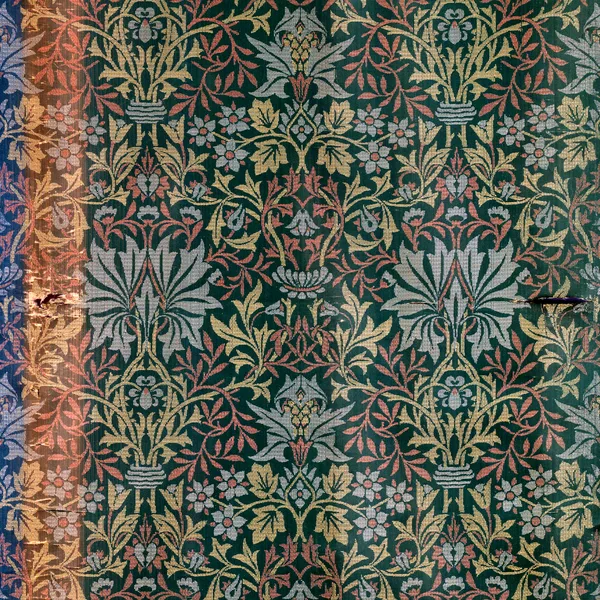
Flower Garden1879 · William Morris
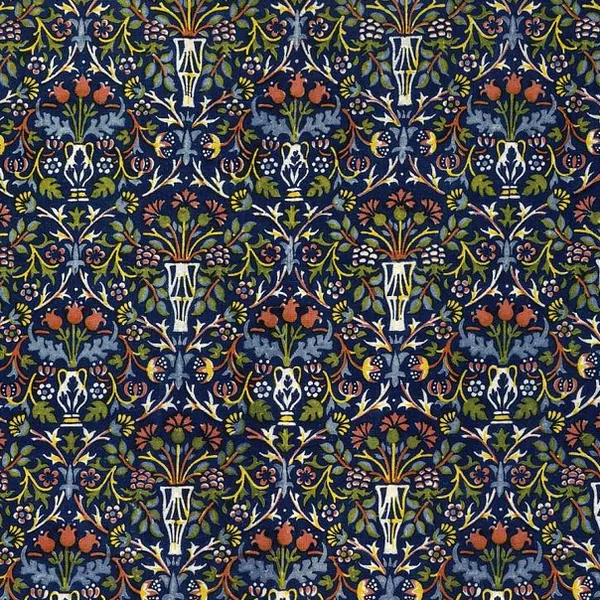
Flower Pot1883 · William Morris
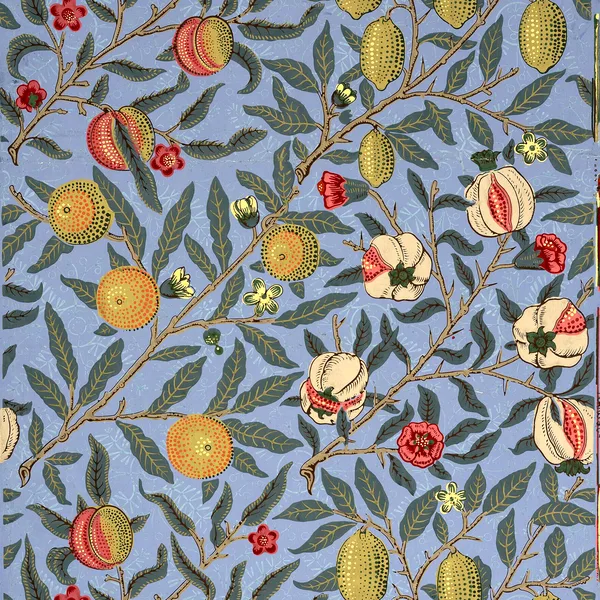
Fruit1862 · William Morris
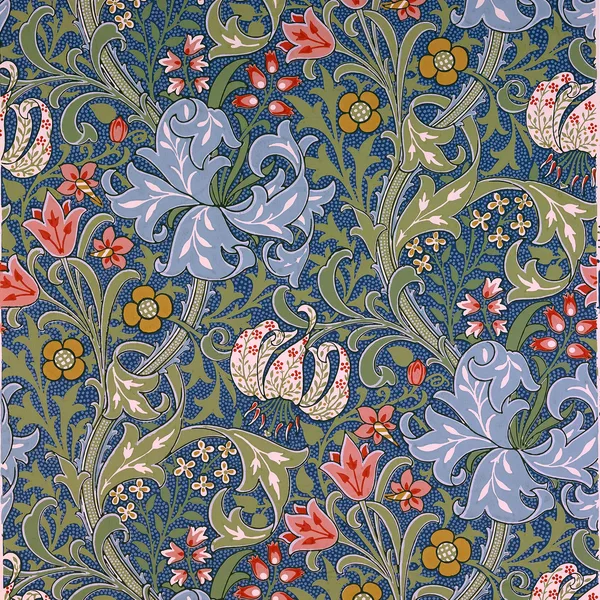
Golden Lily1899 · Morris & Co. (designer not recorded)
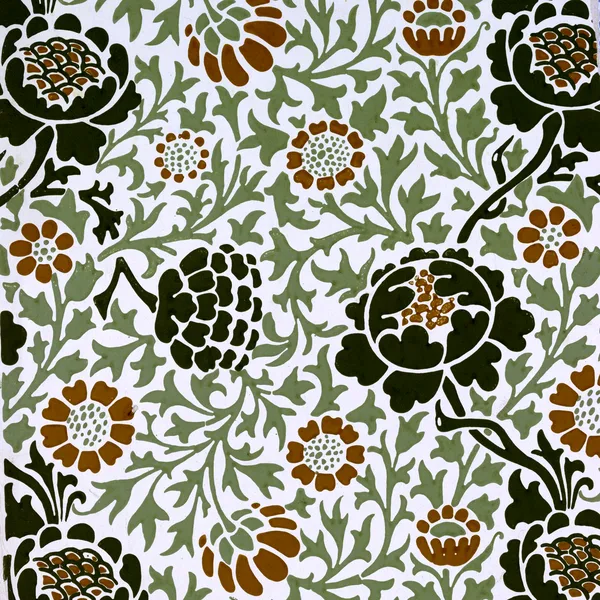
Grafton1883 · William Morris
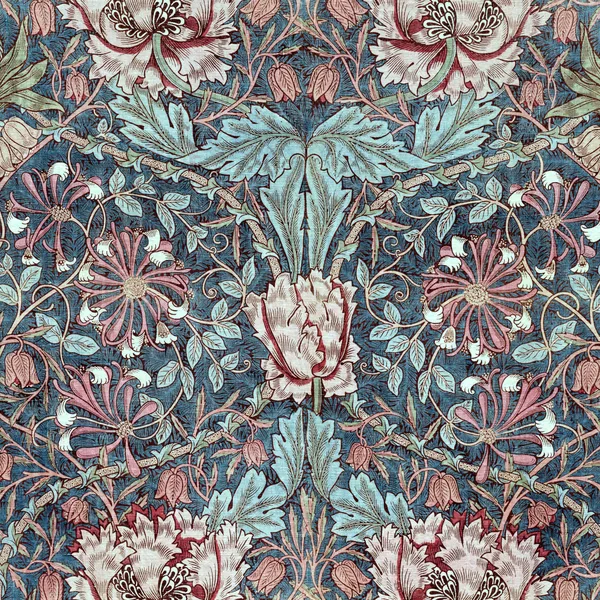
Honeysuckle1876 · William Morris
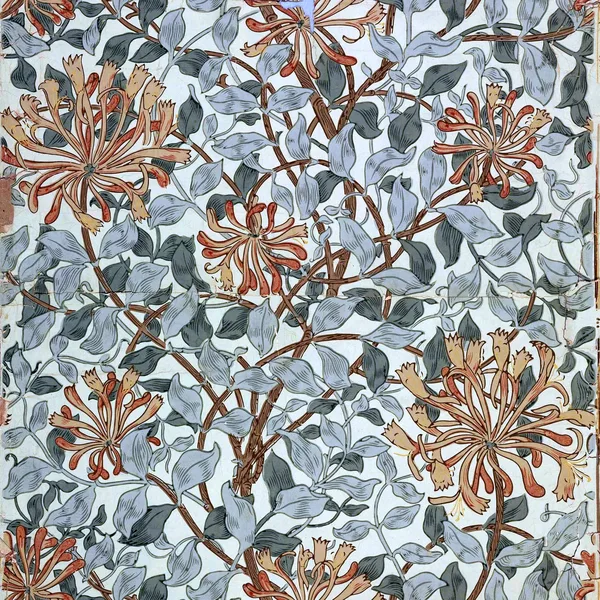
Honeysuckle1883 · May Morris
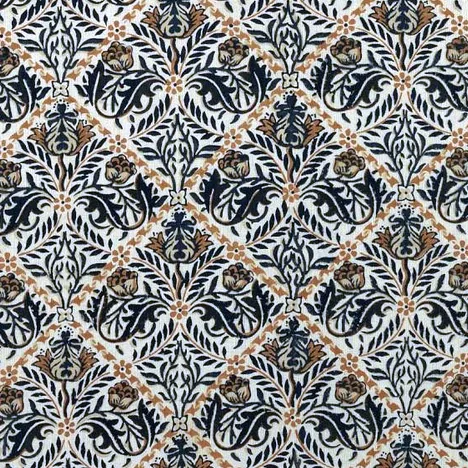
Indian Diaper1876 · William Morris
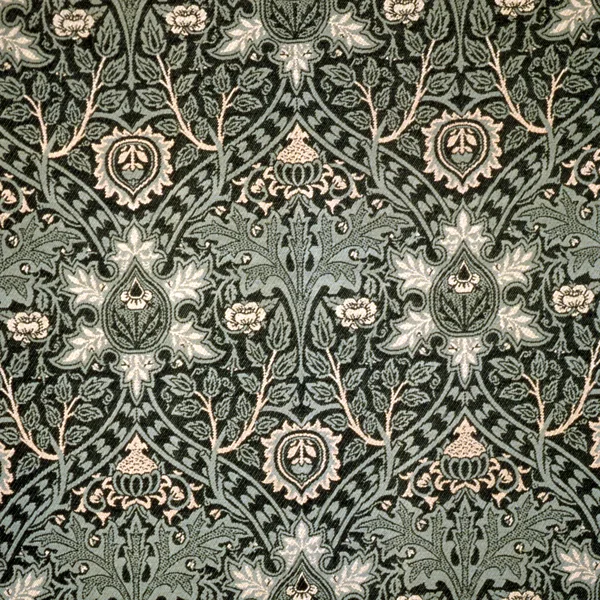
Ispahan1888 · J.H. Dearle
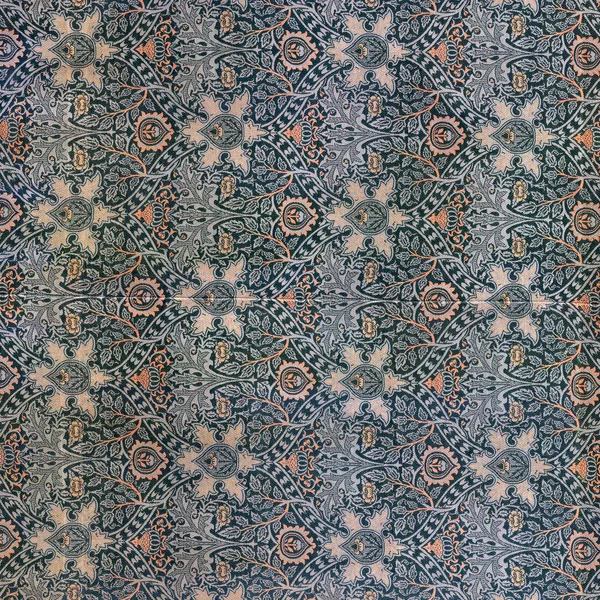
Ispahan1888 · William Morris
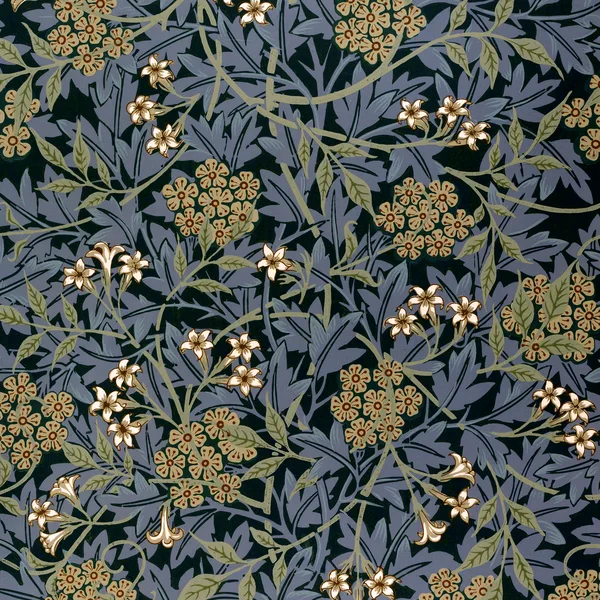
Jasmine1872 · William Morris
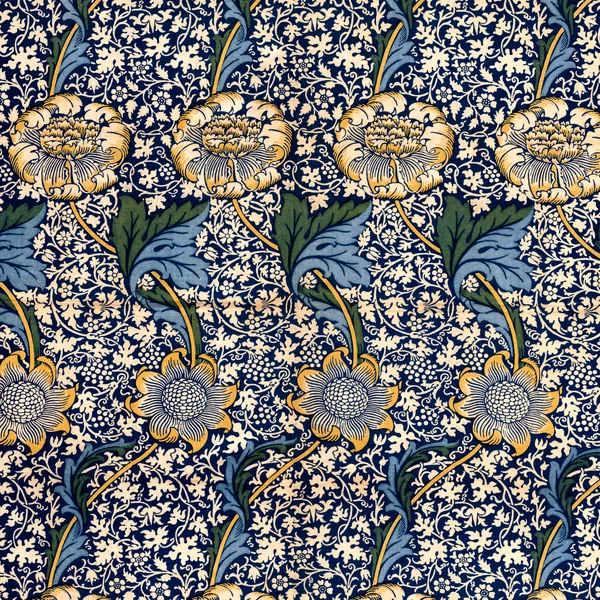
Kennet1883 · William Morris
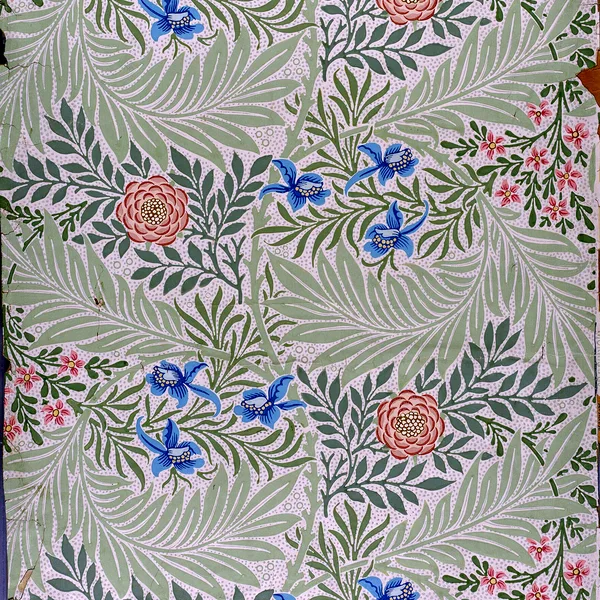
Larkspur1874 · William Morris
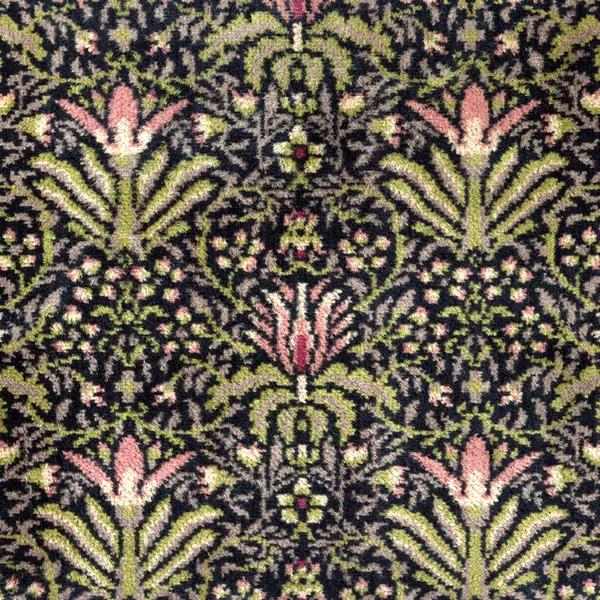
Lily1877 · William Morris
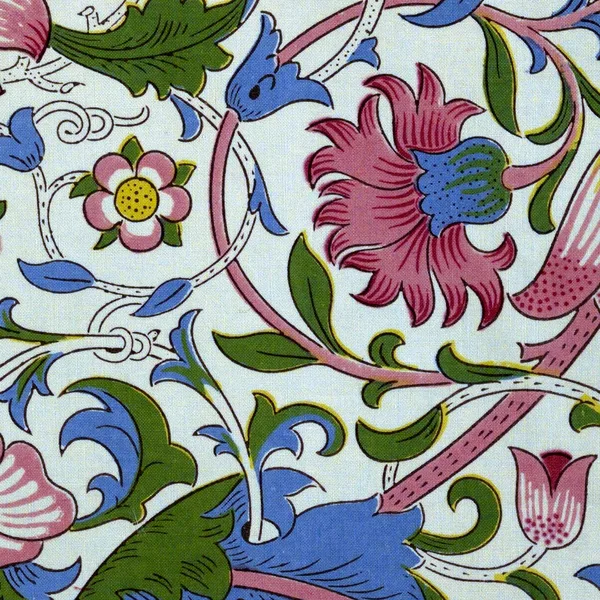
Lodden1884 · William Morris
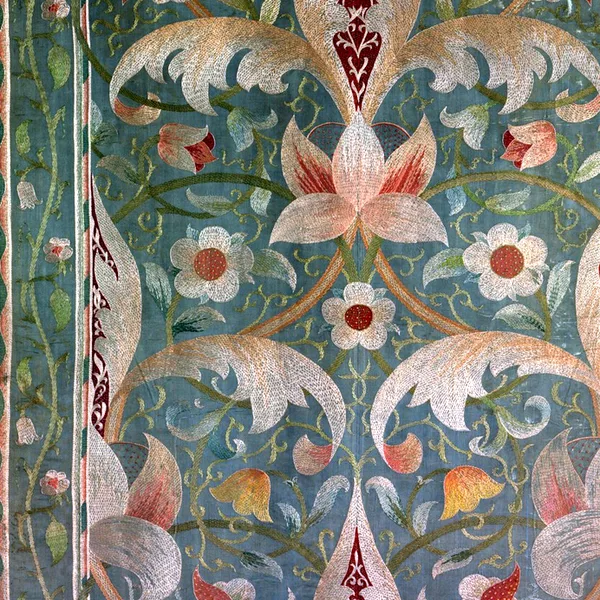
Lotus1888 · May Morris
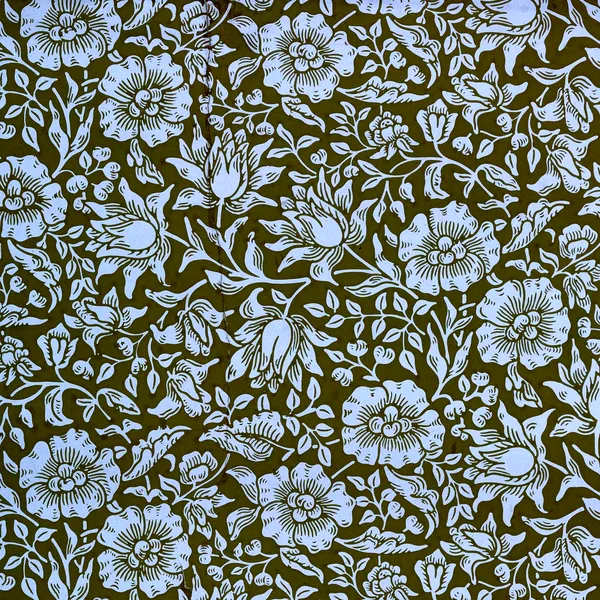
Mallow1879 · Kate Faulkner
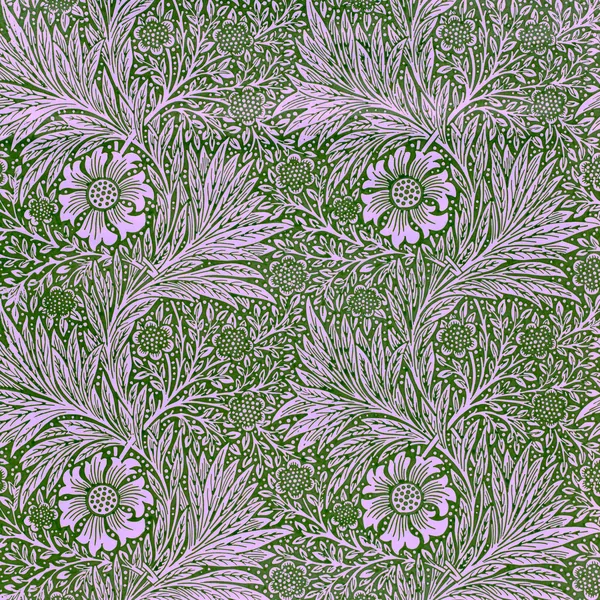
Marigold1873 · William Morris
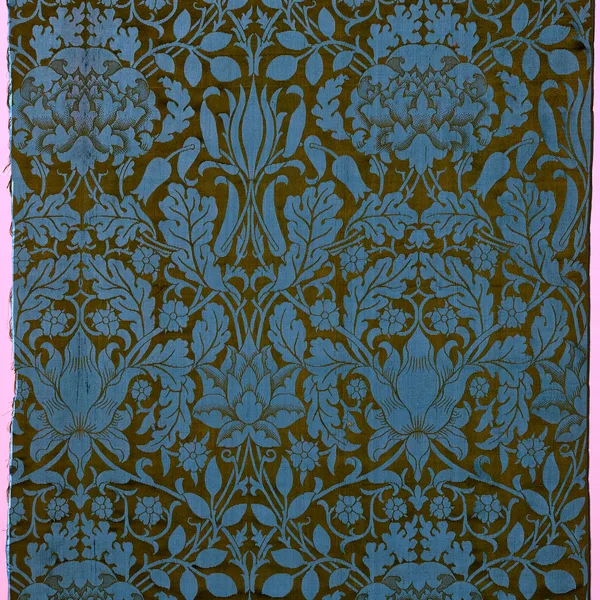
Oak1881 · William Morris
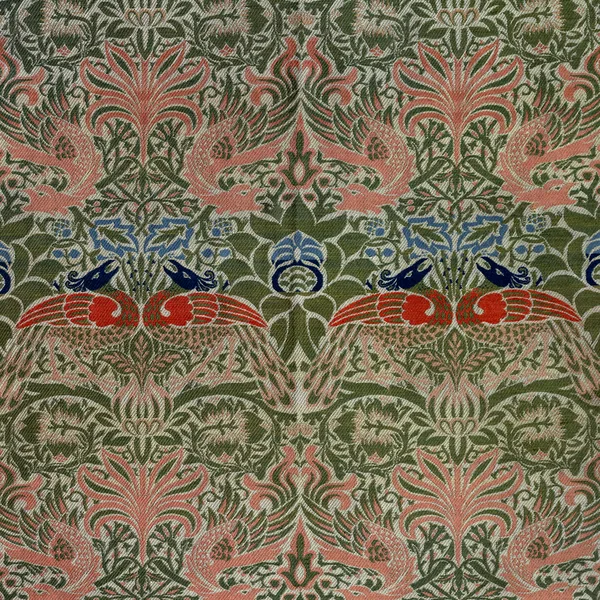
Peacock and Dragon1878 · William Morris
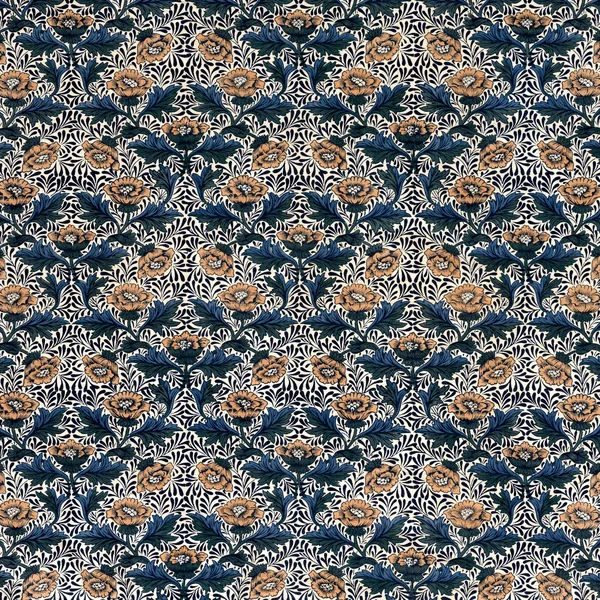
Peonydate unknown · Kate Faulkner
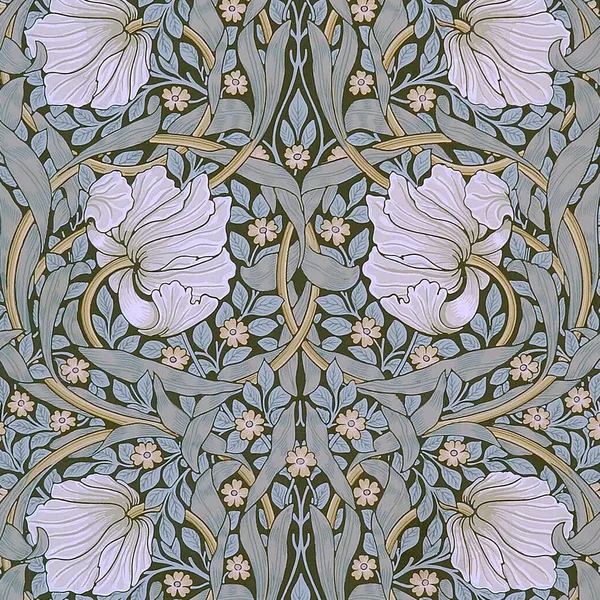
Pimpernel1876 · William Morris
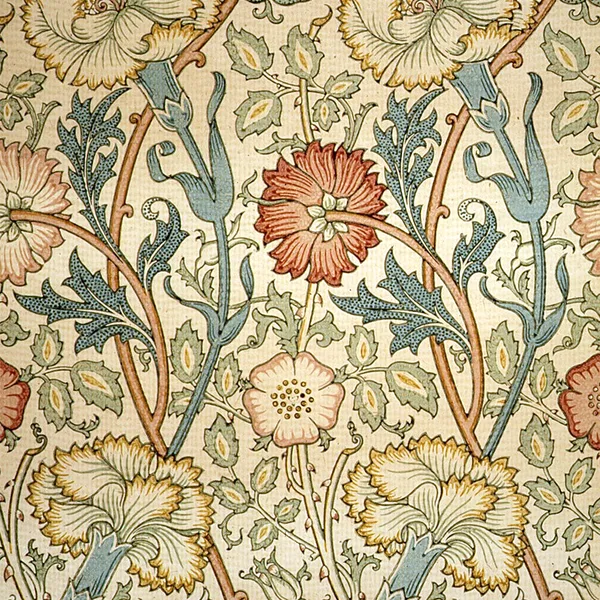
Pink and Rose1890 · William Morris
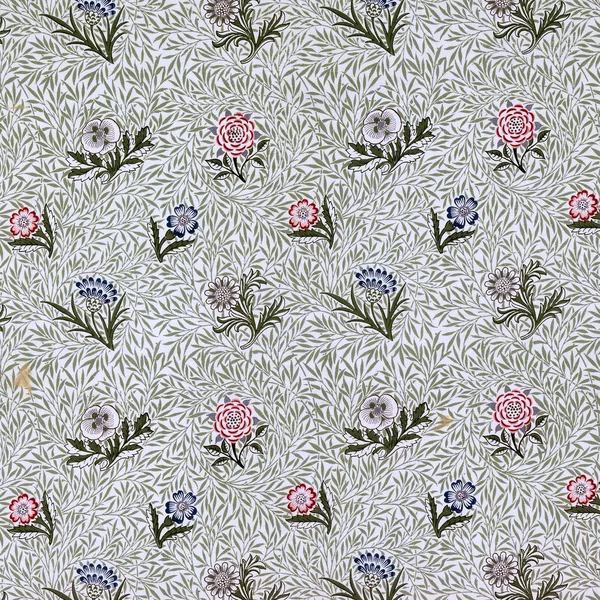
Powdered1874 · William Morris
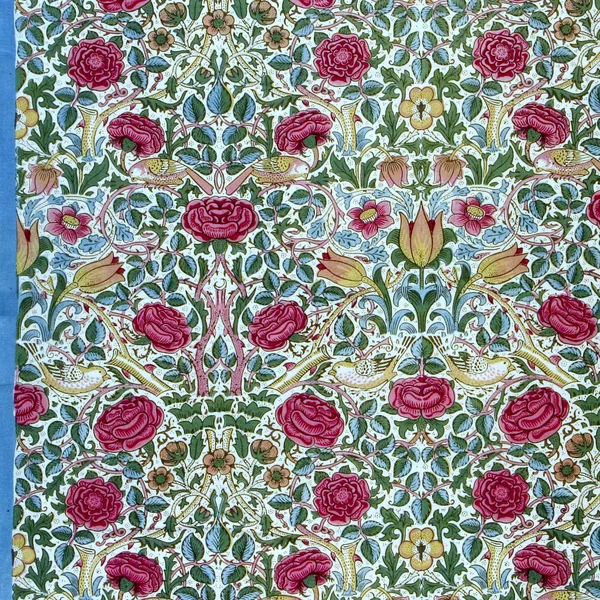
Rose1883 · William Morris
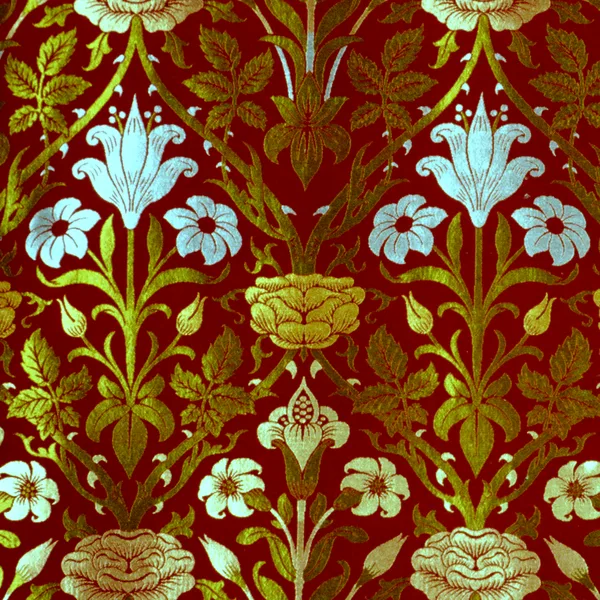
Rose and Lily1893 · J.H. Dearle
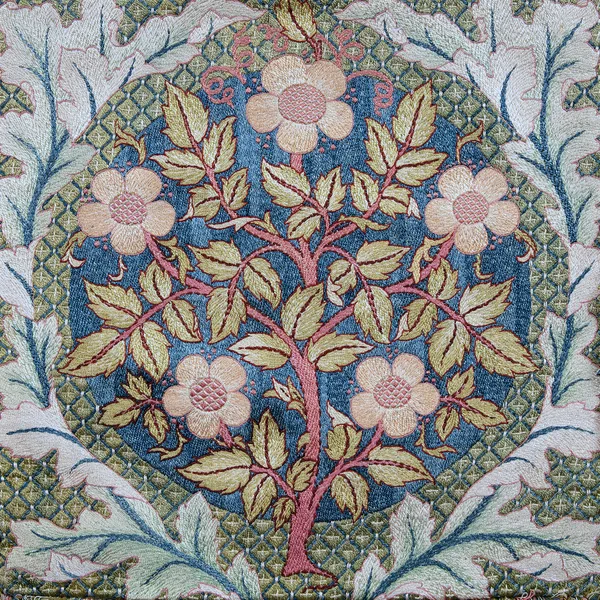
Rose Wreathdate unknown · William Morris
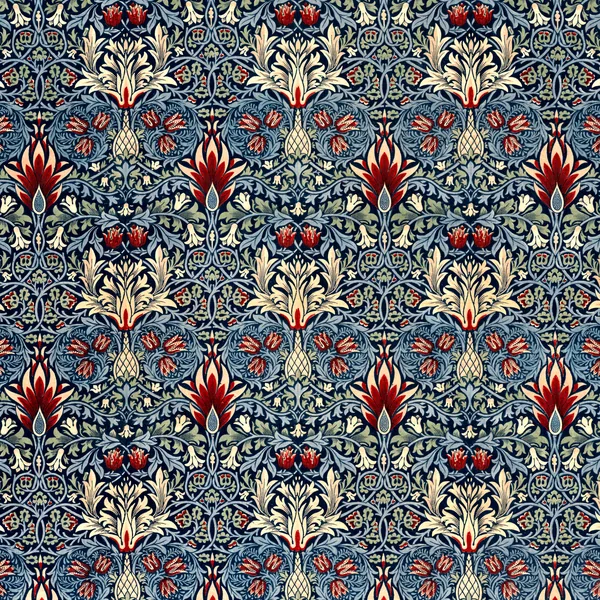
Snakeshead1876 · William Morris
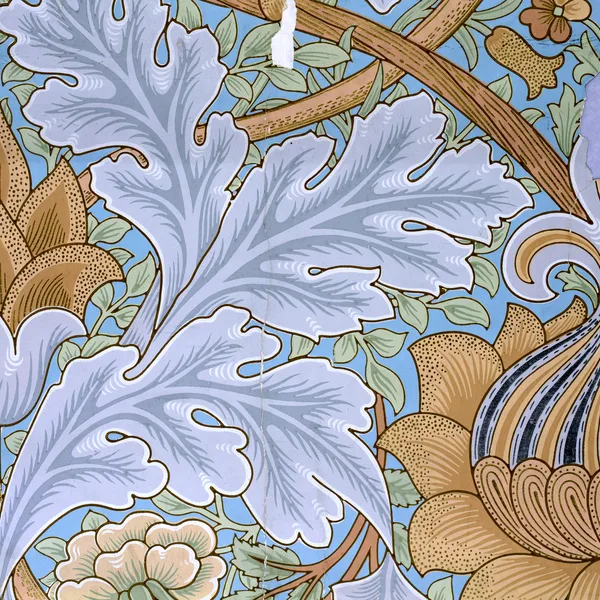
St James1881 · William Morris
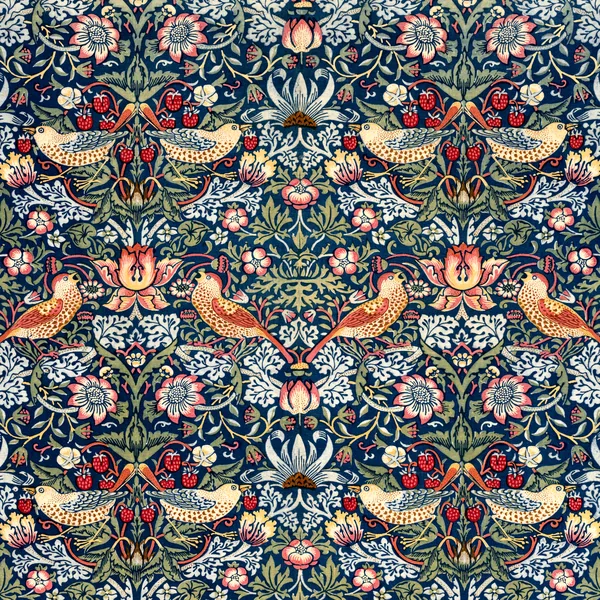
Strawberry Thief1883 · William Morris
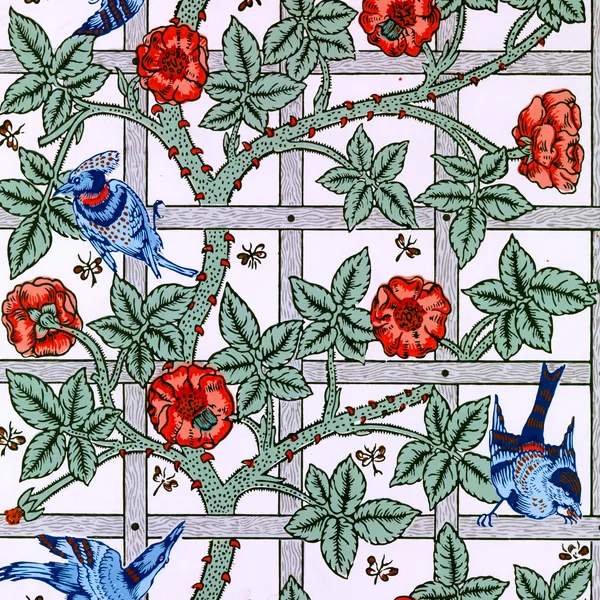
Trellis1862 · William Morris
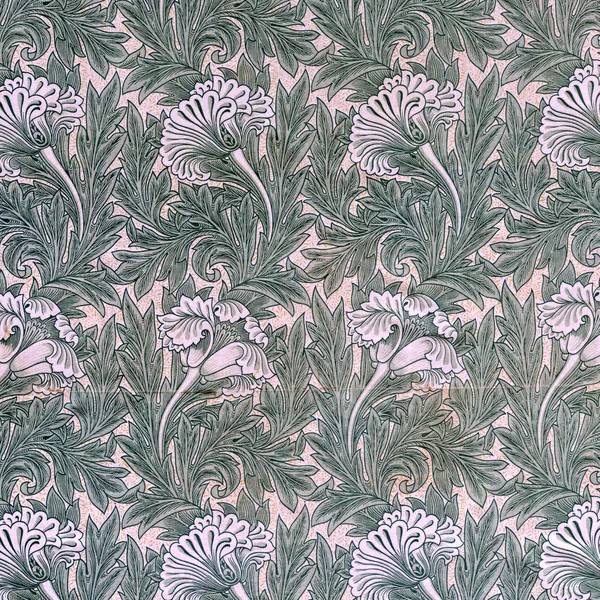
Tulip1875 · William Morris
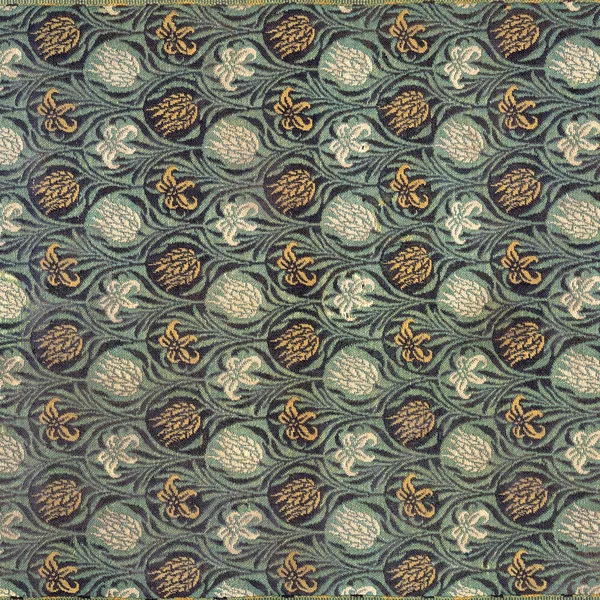
Tulip and Lily1875 · William Morris
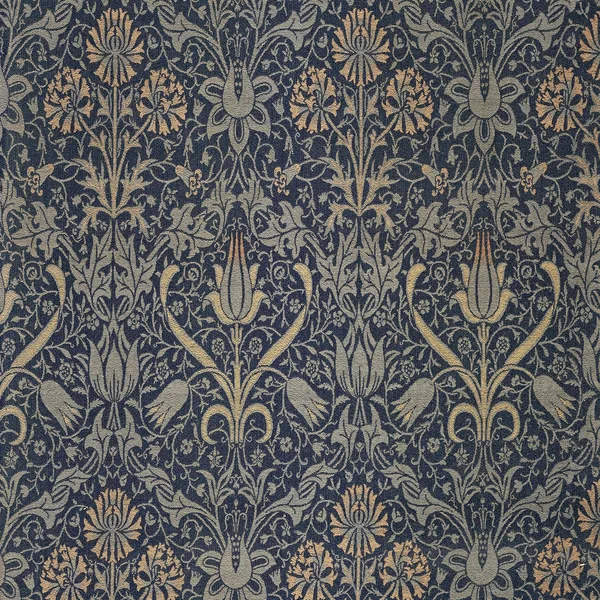
Tulip and Net1888 · William Morris
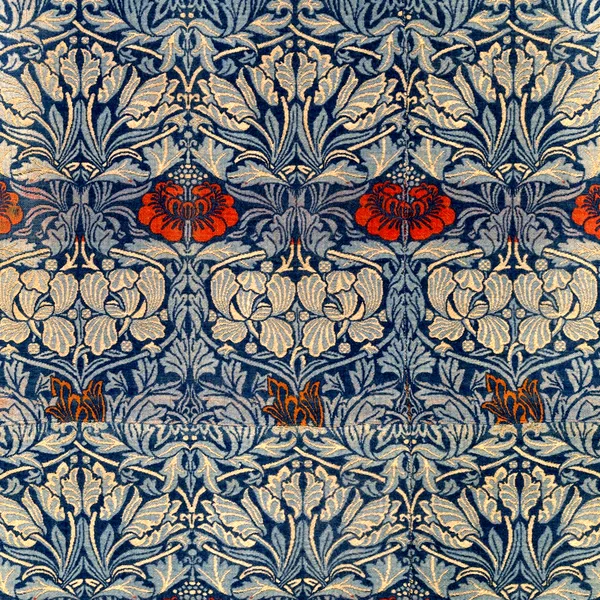
Tulip and Rose1876 · William Morris
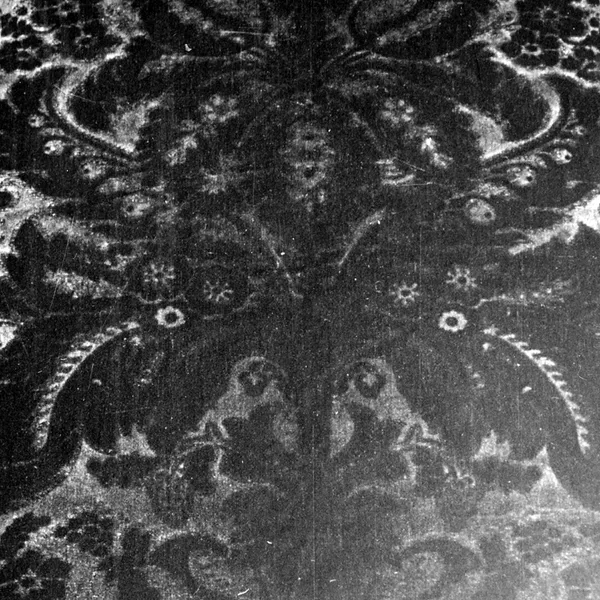
Utrecht Velvet1871 · William Morris
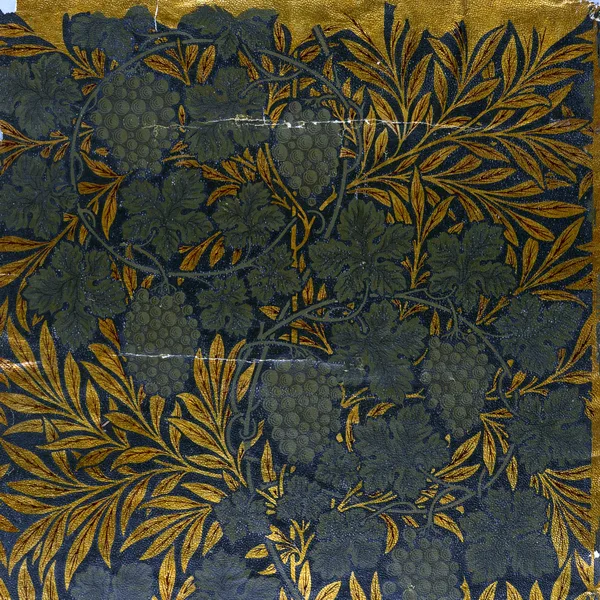
Vine1873 · William Morris
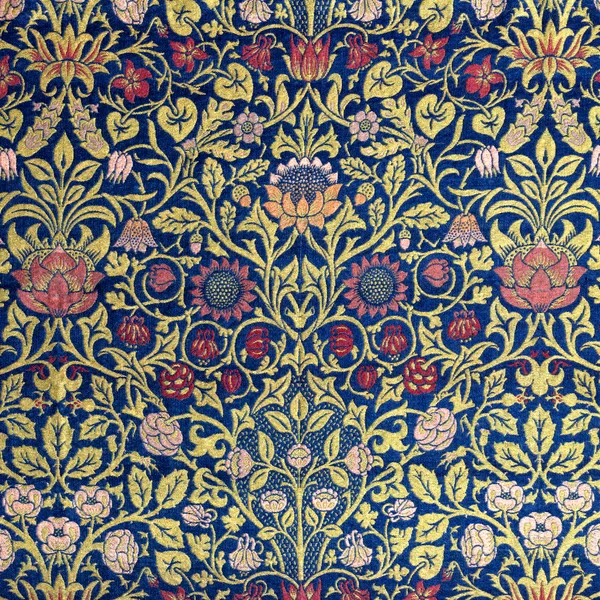
Violet and Columbine1883 · William Morris
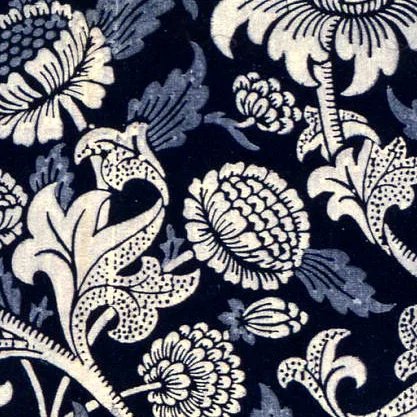
Wey1883 · William Morris
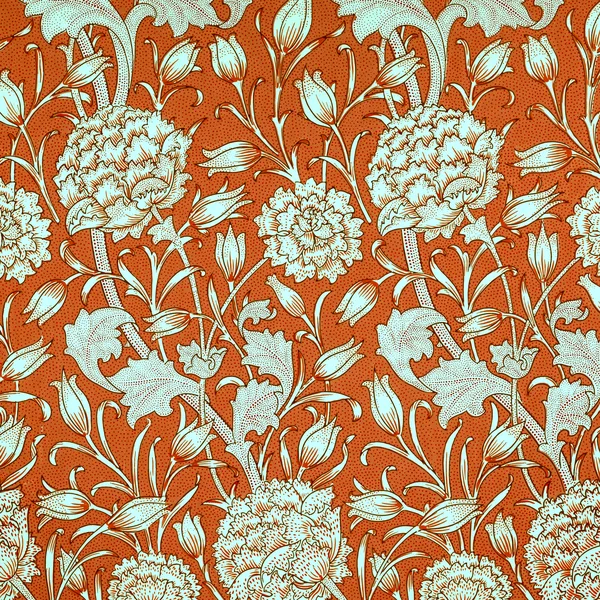
Wild Tulip1884 · William Morris
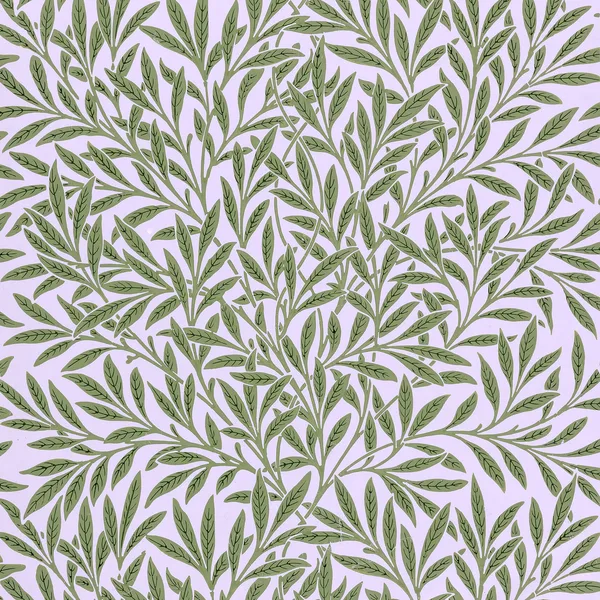
Willow1874 · William Morris
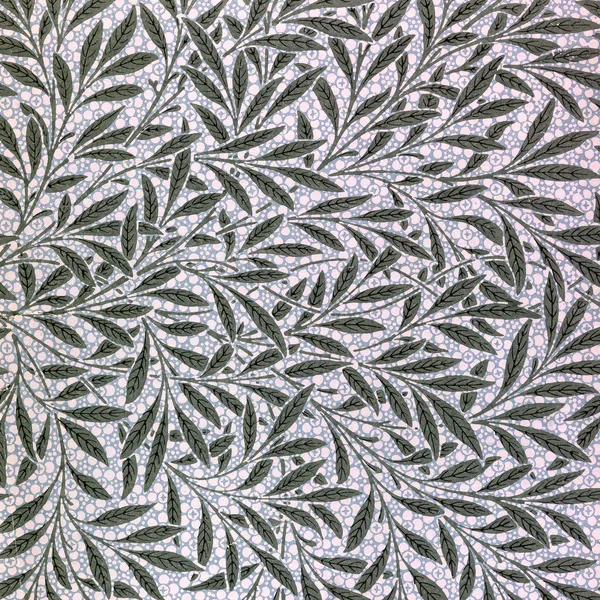
Willow Bough1887 · William Morris
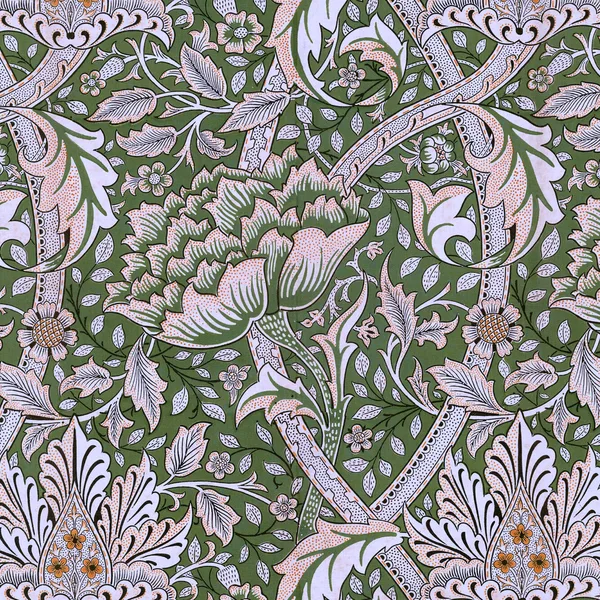
Windrush1883 · William Morris
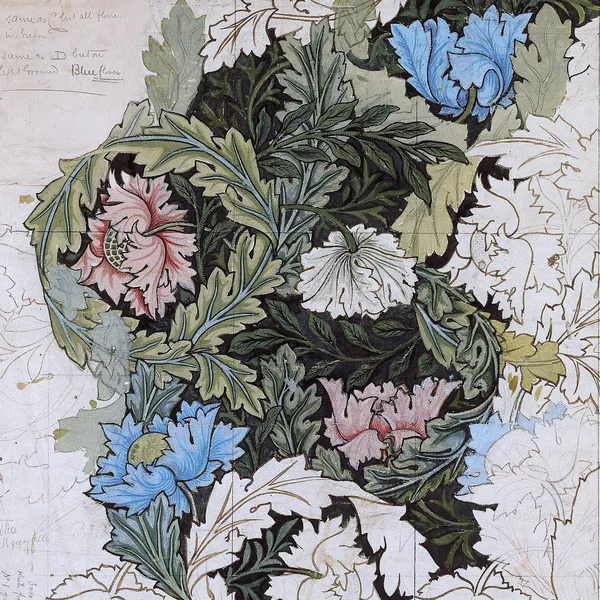
Wreath1876 · William Morris
William Morris posters from the original patterns
A William Morris poster on this site is an Archival Paper print of an authentic 19th-century pattern. You can explore every William Morris design in our library, from wallpapers to printed cotton chintzes and woven textiles. The firm founded by Morris produced repeating patterns filled with garden flowers, olive branches, and fruit.
Many designs credited to Morris were created by other artists at the firm. John Henry Dearle began as an apprentice and became head designer by 1890, producing patterns such as Compton and Cherwell. May Morris managed the embroidery department, and Kate Faulkner designed patterns as well. Each design page names the recorded designer, the production year, and the original medium.
Choosing a design
Choosing a design comes down to the scale of the repeat and the ground color. Patterns with large repeats feature wide branches of fruit, large tulips, or broad foliage that stretch across the sheet. These bold designs give a room a clear visual anchor. In contrast, patterns with dense repeats interlock small flowers and detailed foliage that reward close viewing.
Ground colors alter how a pattern sits in a room. Dark grounds, such as deep indigo blue or dark green, make bright surface flowers and leaves stand out sharply. You can read our guide to Strawberry Thief to learn about the history of that famous design. Light grounds, including cream and pale tones, create a more open visual effect. If you want to hang complementary patterns together, explore William Morris poster sets designed to pair harmoniously.
Archival Paper, Premium Canvas or Framed Canvas
Prints are printed and shipped by ArtsyWall in three formats: Archival Paper, Premium Canvas, and Framed Canvas. If you want an unframed print to place into your own frame, select Archival Paper. This format is a heavyweight 340gsm, textured, 100% cotton rag paper with a watercolor feel. It ships rolled in a tube and is unframed.
Canvas options provide alternatives for rooms where you prefer William Morris wall art without glass. Premium Canvas is printed on thick, acid-free archival canvas, hand-stretched on solid wood bars, and fitted with a sawtooth hanger. Framed Canvas places the stretched canvas inside a wood floating frame, leaving a small gap around the edges so it looks as if it floats. It arrives ready to hang with a hanging wire attached, available in black, white, gold, silver, walnut, and oak finishes.
Where a Morris poster works
Morris patterns adapt easily across different living spaces because they rely on balanced botanical forms. In a dining room or study, a print with a dark ground and dense floral foliage creates a focused atmosphere. The repeating branches and leaves fill the wall with visual depth without clashing with existing furnishings.
For hallways, entryways, or bedrooms, designs with light grounds and upright floral motifs bring a calm, airy presence. You can hang a single print above a desk or arrange several prints along a corridor. Because each design is reproduced from public-domain museum scans of original textiles and wallpapers, the printed details reflect the authentic historical work.
Questions and answers
Is a William Morris poster printed on paper?
Yes, posters on this site are produced as Archival Paper fine art prints. ArtsyWall produces each print on 340gsm cotton rag stock that features a subtle watercolor texture. Each order arrives unframed and rolled in a tube, allowing you to choose your own custom or ready-made frame.
How do you frame a William Morris poster?
You can mount an Archival Paper William Morris poster directly into any standard picture frame. Because ArtsyWall ships these prints rolled in a protective tube without framing, you supply the outer frame. Alternatively, you can select Framed Canvas, which includes a wooden floating frame in finishes such as walnut, oak, gold, silver, black, or white.
Who designed the William Morris poster patterns?
William Morris designed dozens of the repeating patterns, but colleagues at Morris & Co. created many famous pieces as well. Chief designer John Henry Dearle developed patterns like Compton and Cherwell, while May Morris directed embroidery work. Every catalog entry lists the documented artist alongside the original medium and creation date.
What sizes are available for a William Morris poster?
Available sizes for a William Morris poster depend on the layout of the specific design. You can review the exact dimensions offered for Archival Paper, Premium Canvas, and Framed Canvas within the buy box on each pattern page. Because ArtsyWall produces prints to order, available dimensions correspond to the proportions of the original museum artwork.