William Morris Designs: Every Pattern by Year and Designer
William Morris designs include block-printed wallpapers, printed cotton chintzes, and woven textiles created by Morris and his workshop associates. Browse every historic pattern by designer, year, motif, and colourway to find prints and seamless pattern files for your home.
67 colourways shown
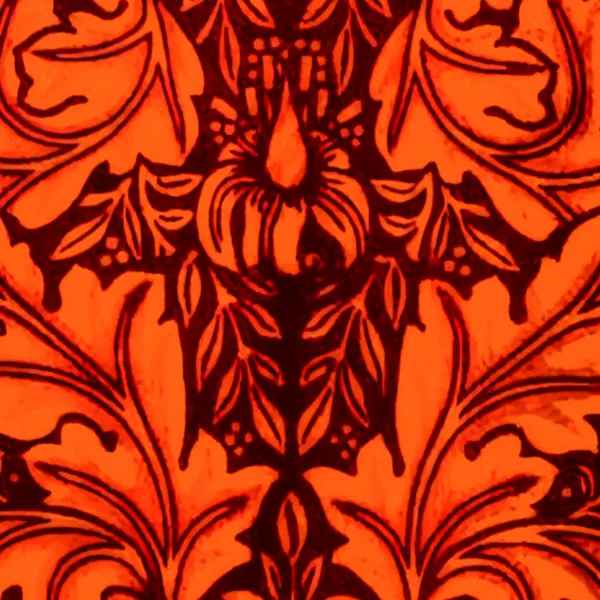
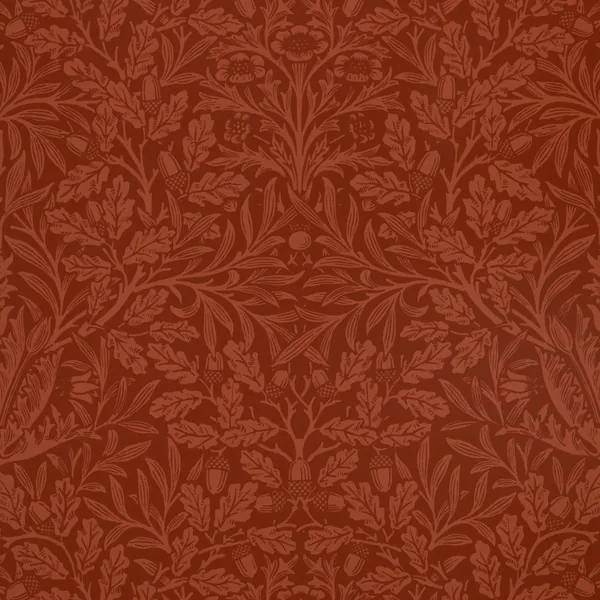
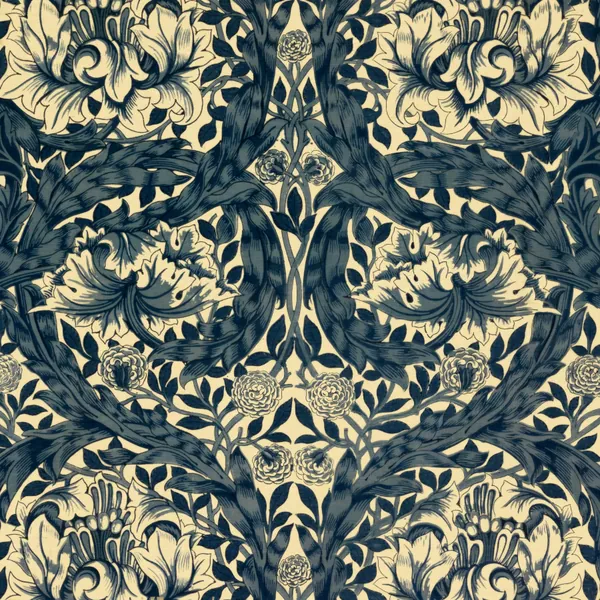
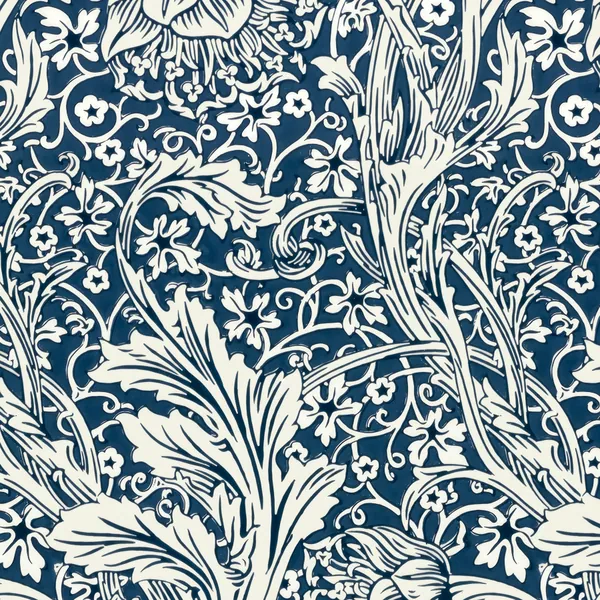
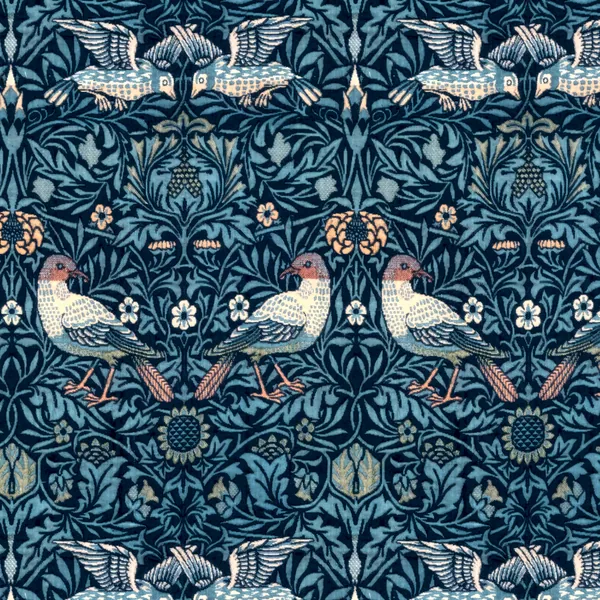
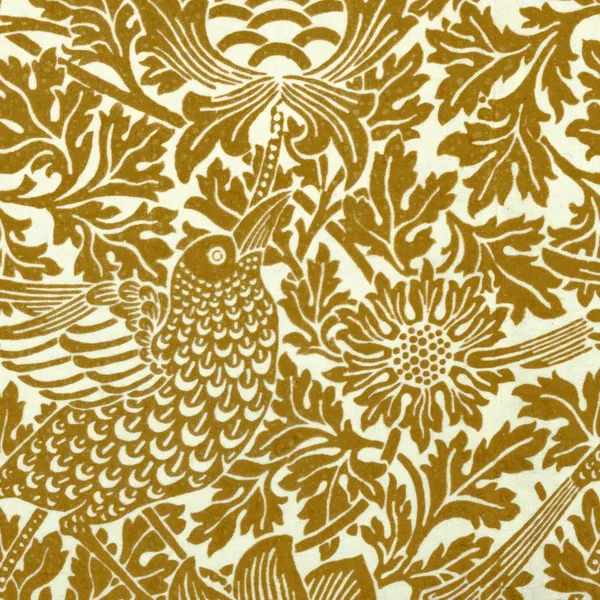
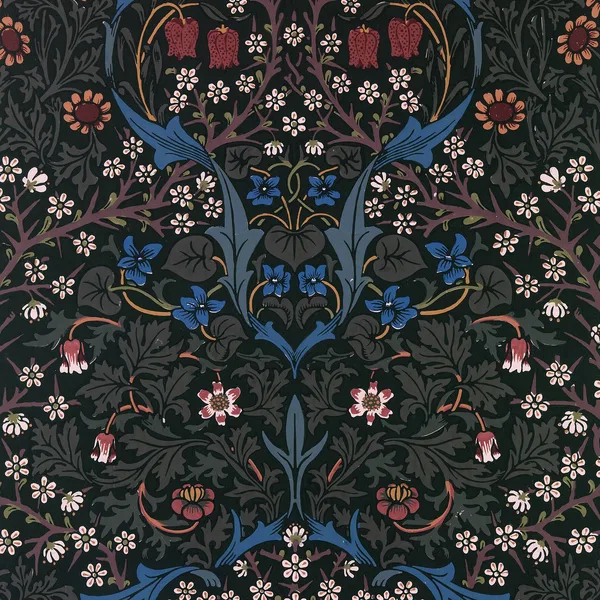
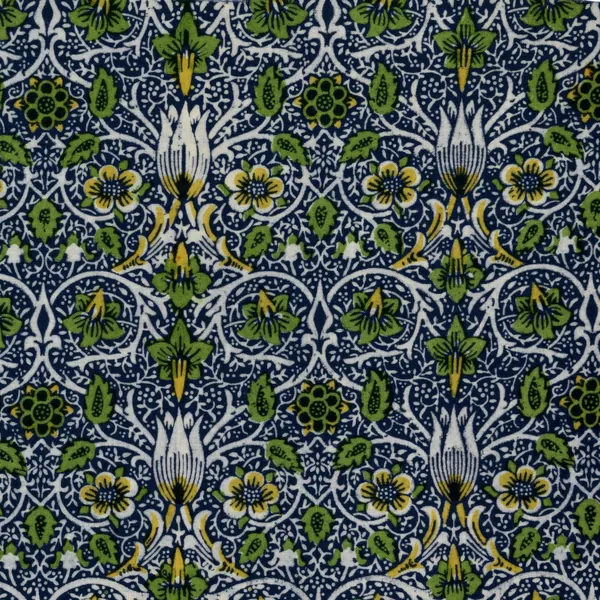
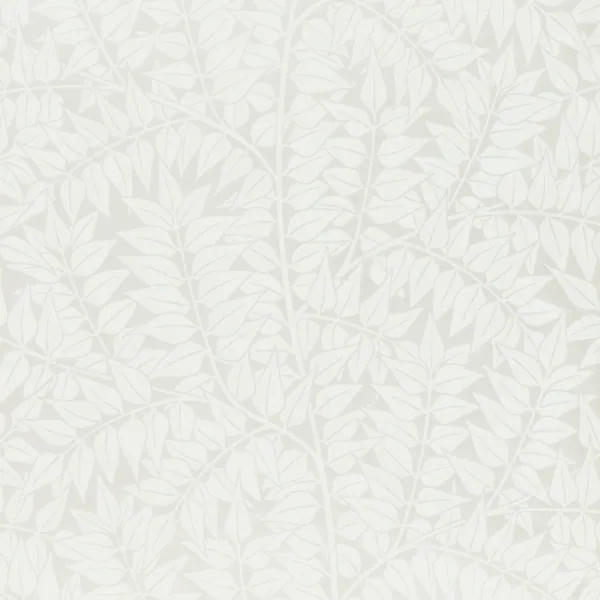
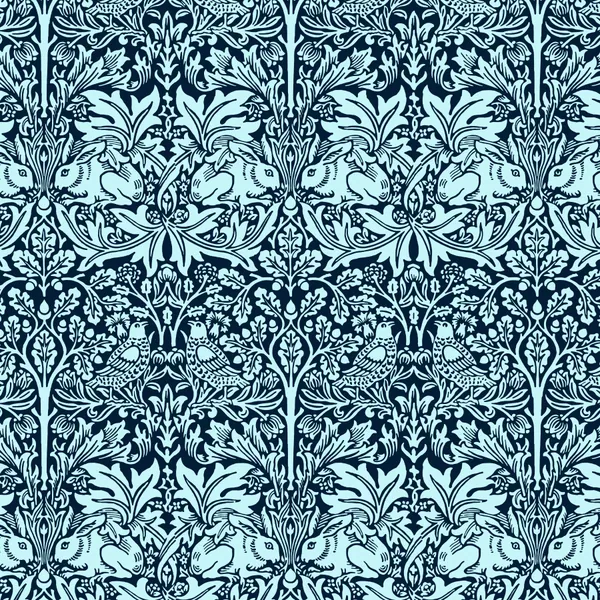
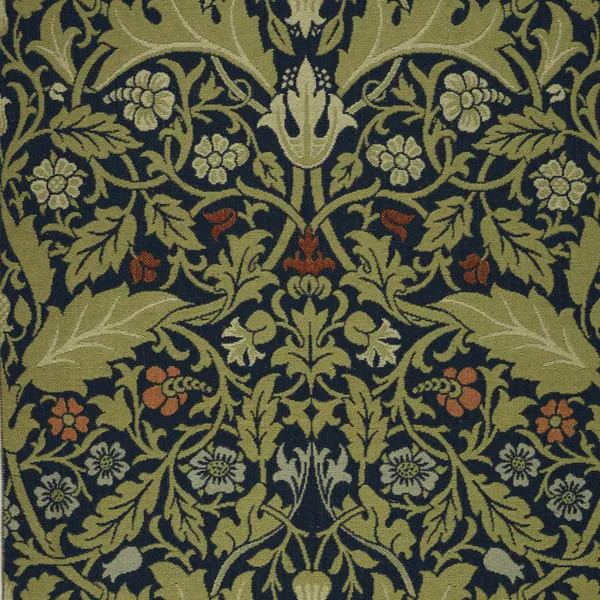
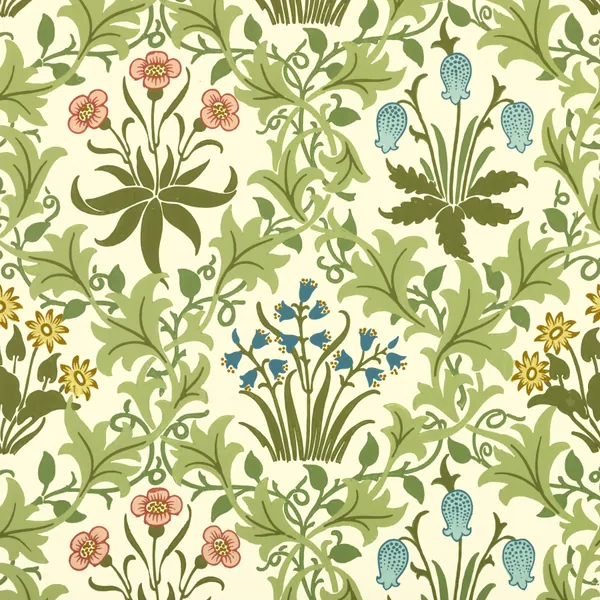
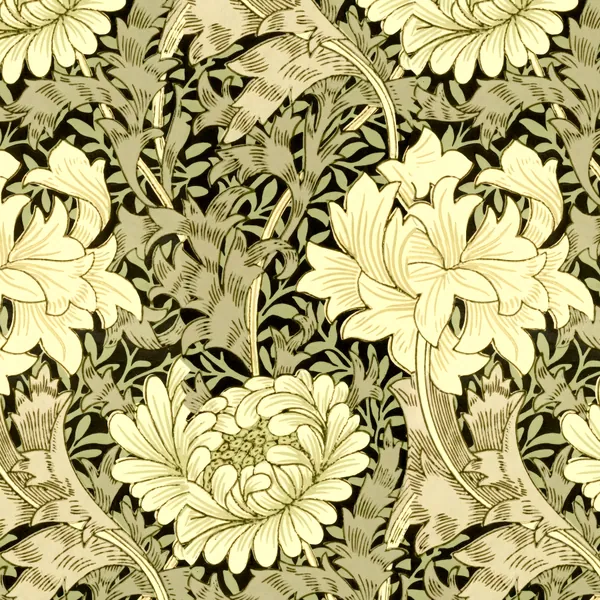
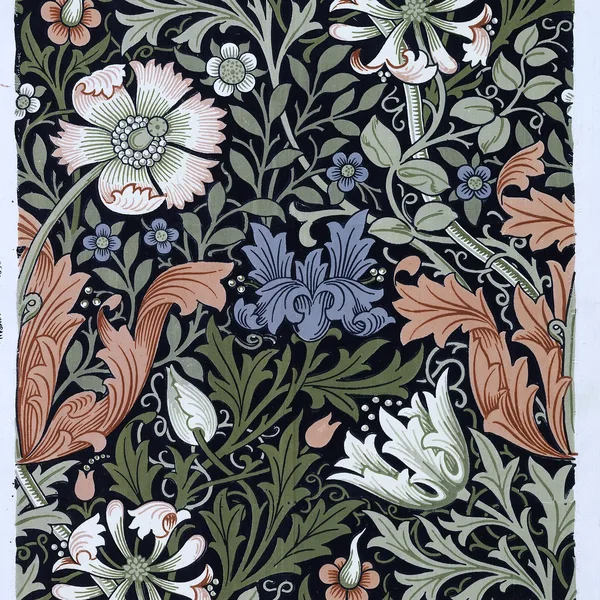
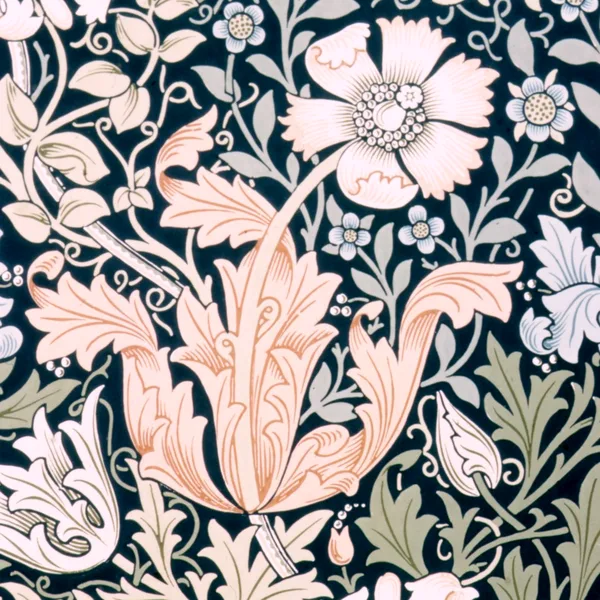
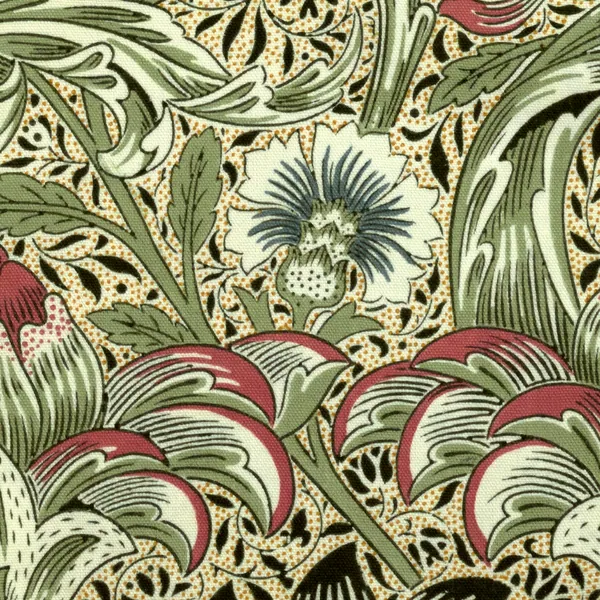
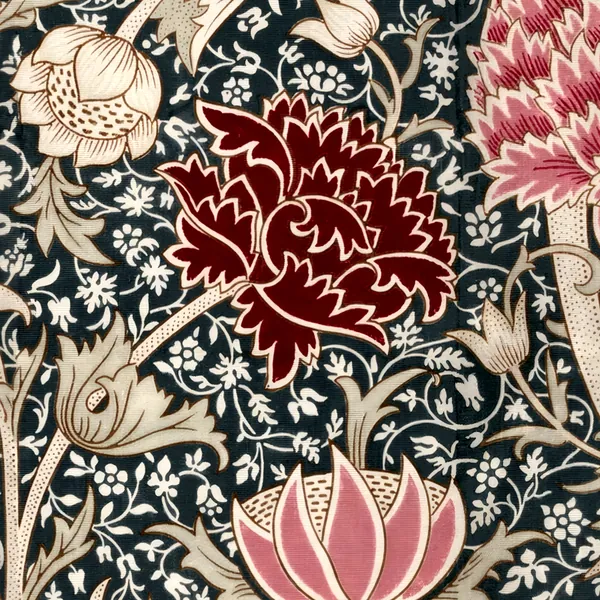
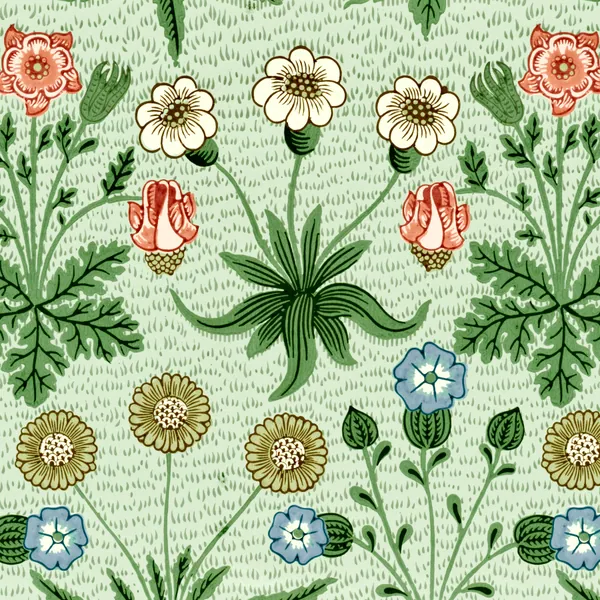
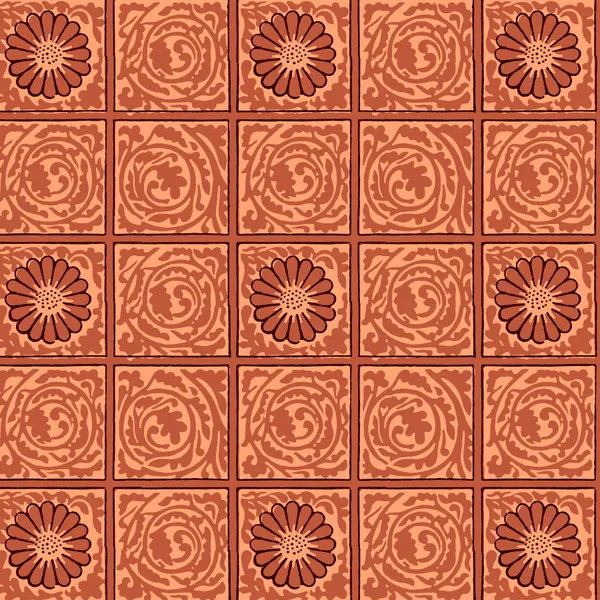
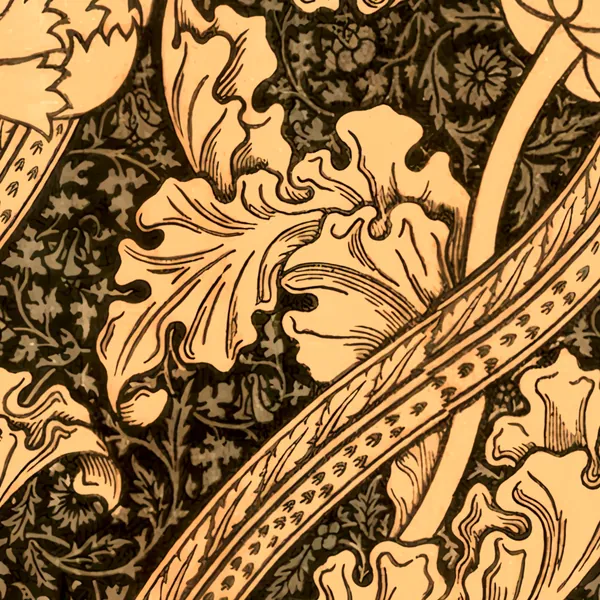
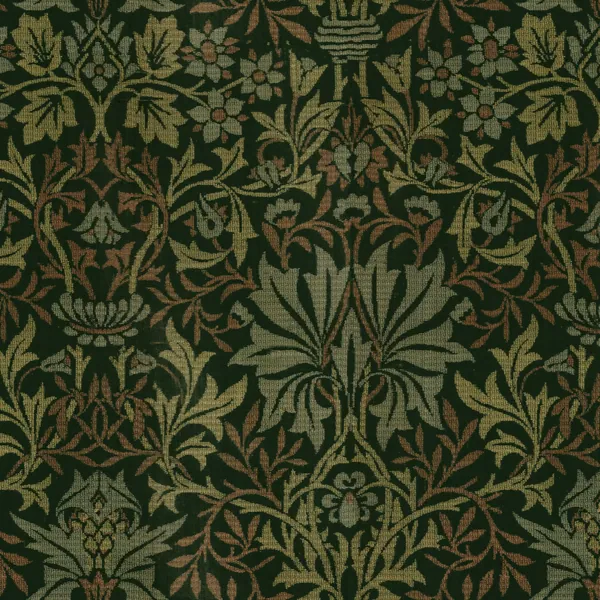
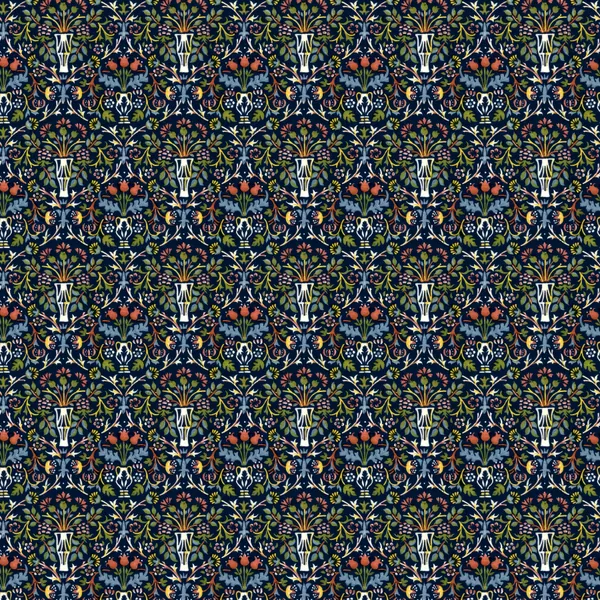
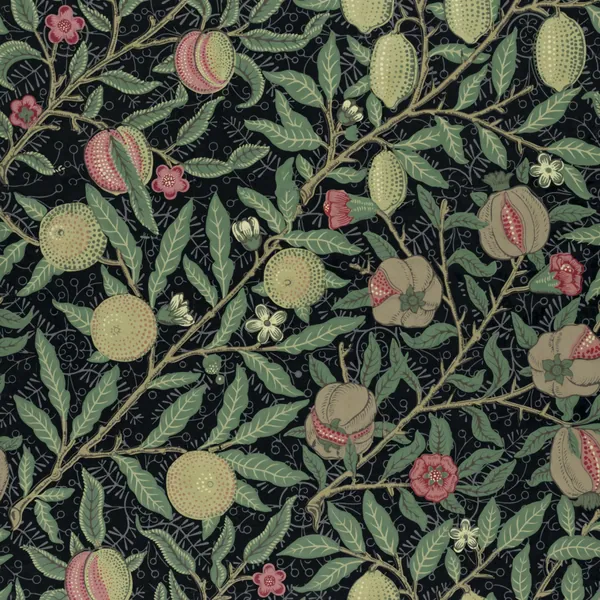
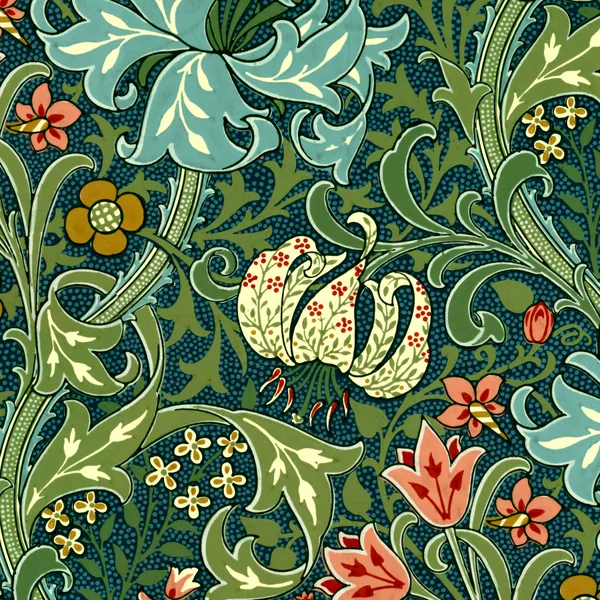
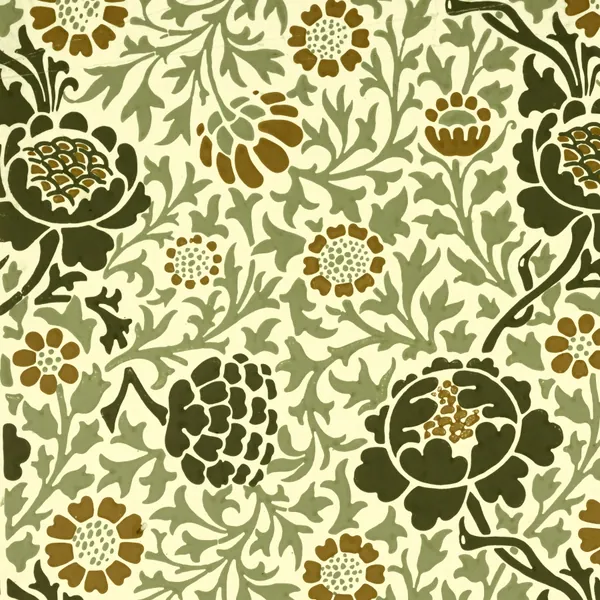
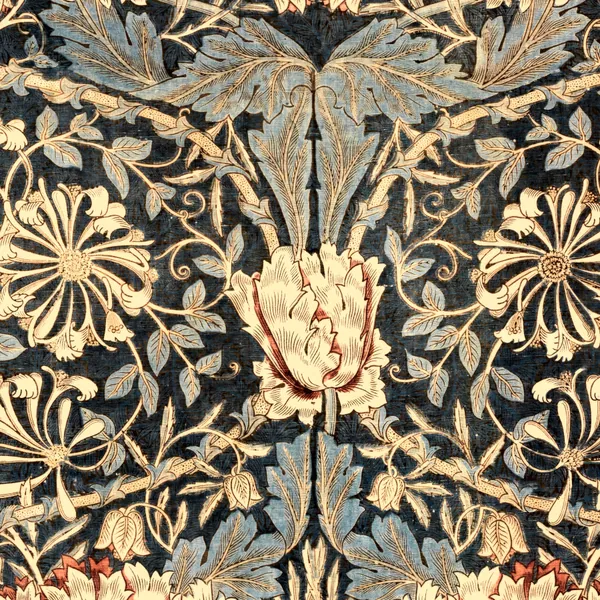
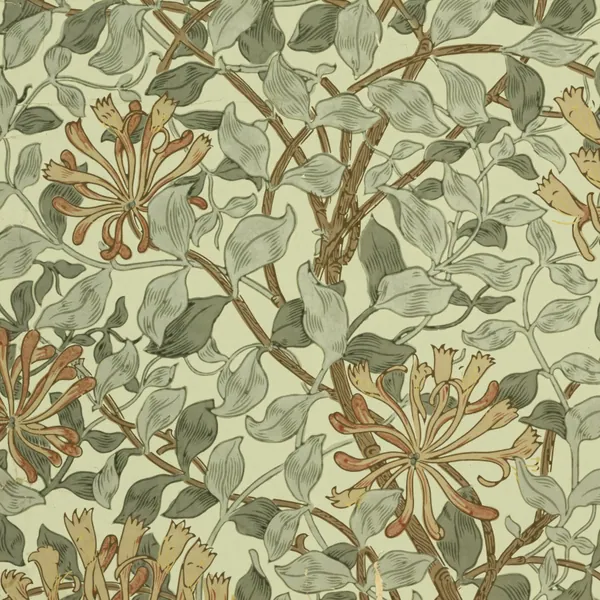
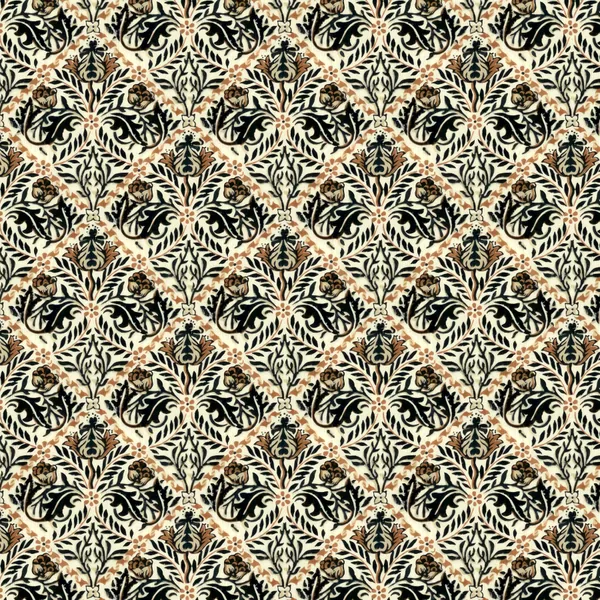
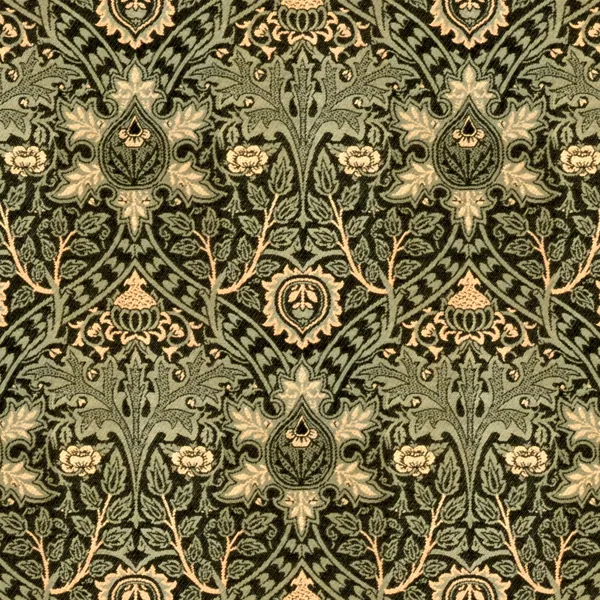
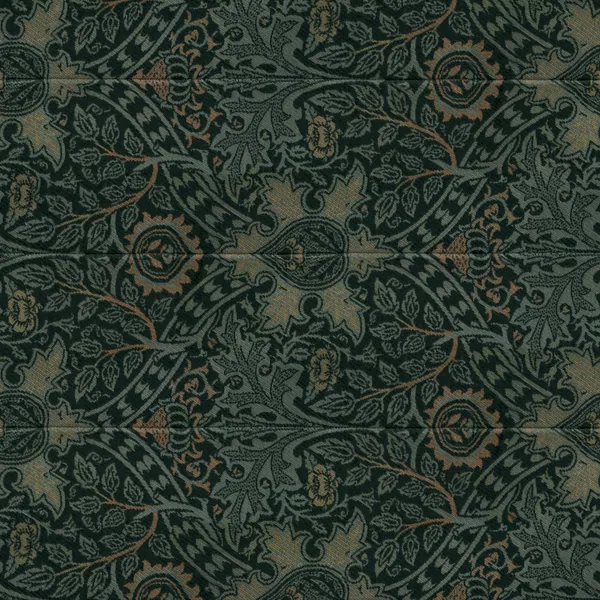
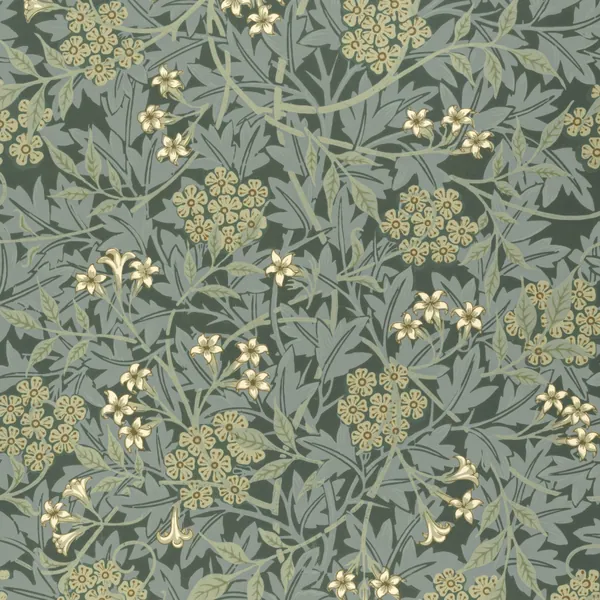
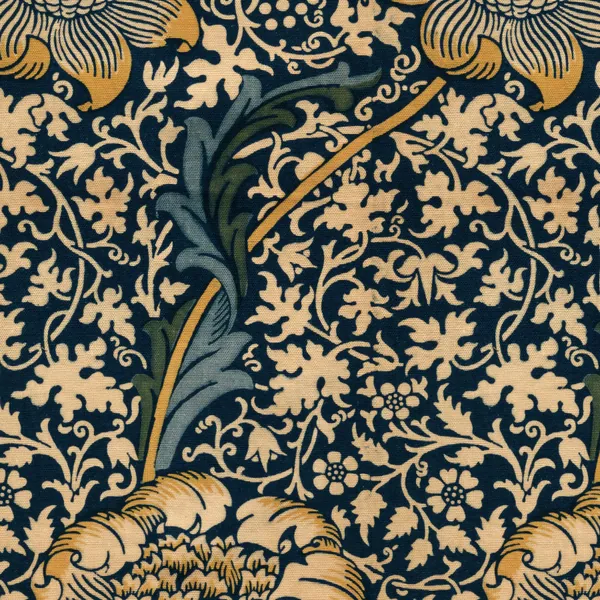
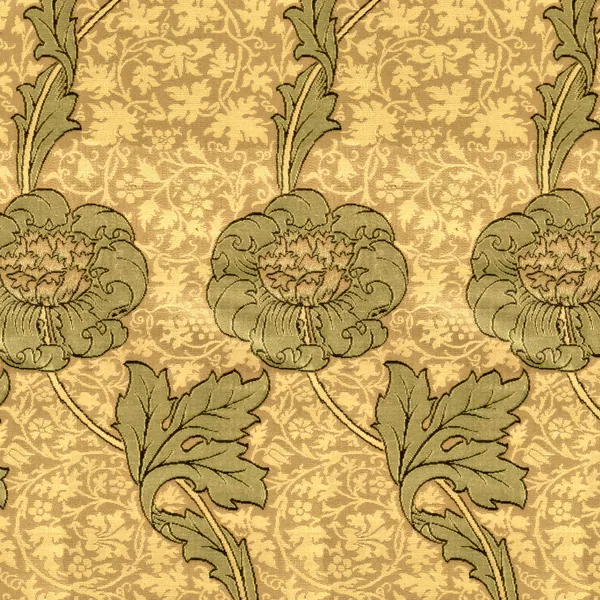
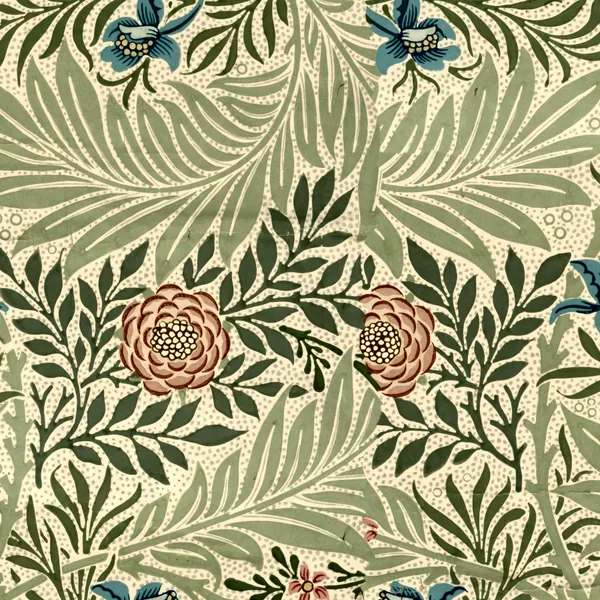
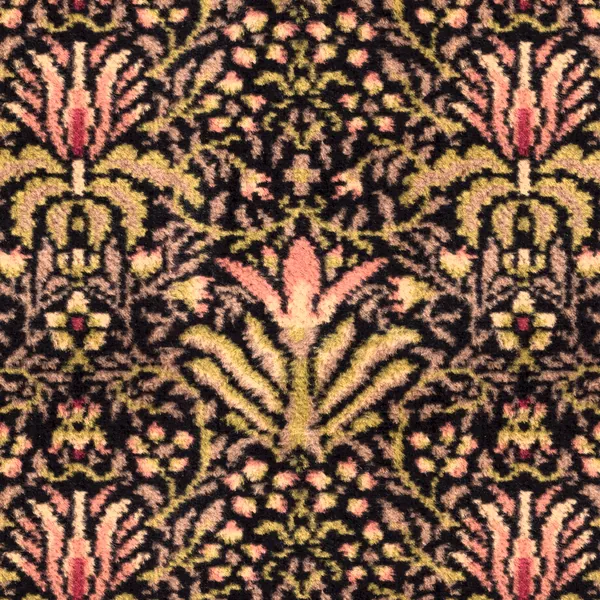
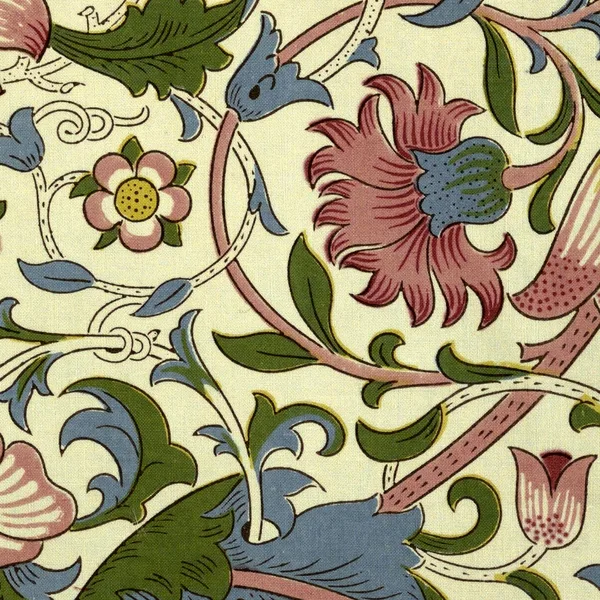
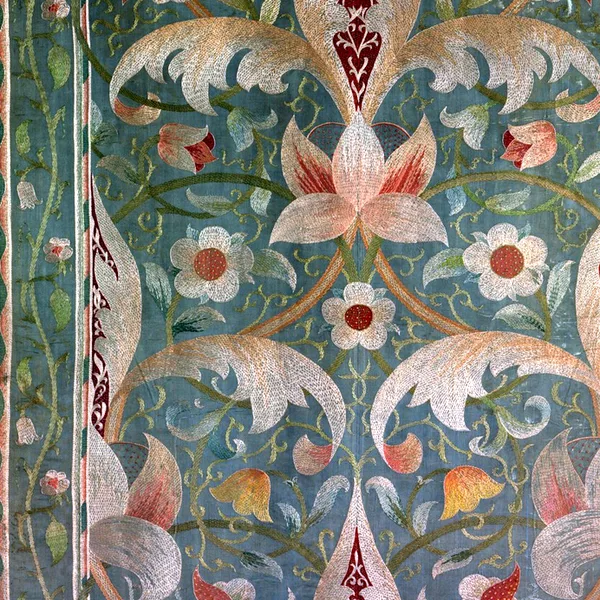
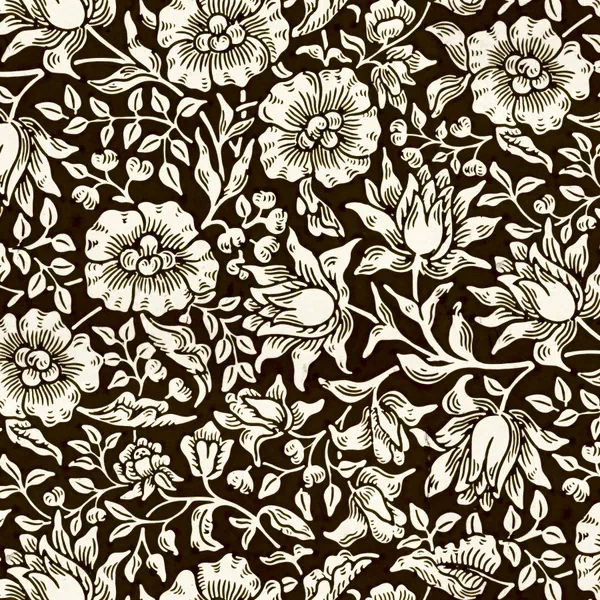
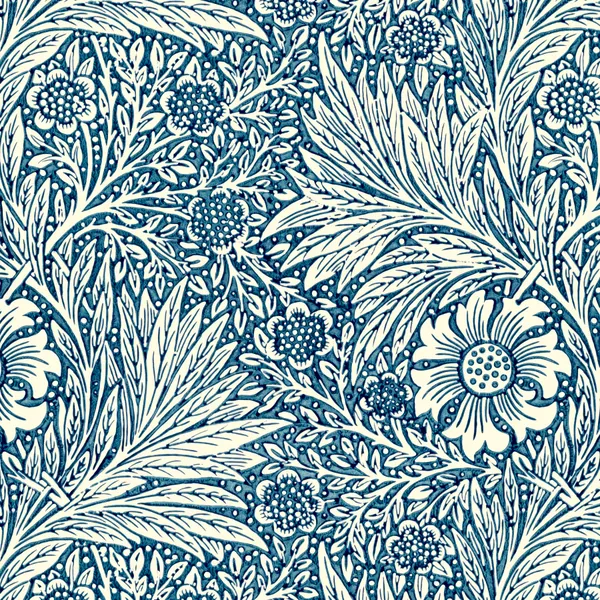
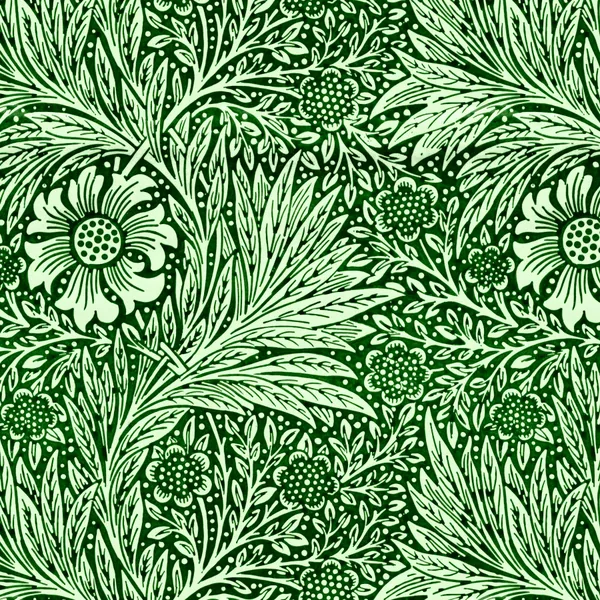
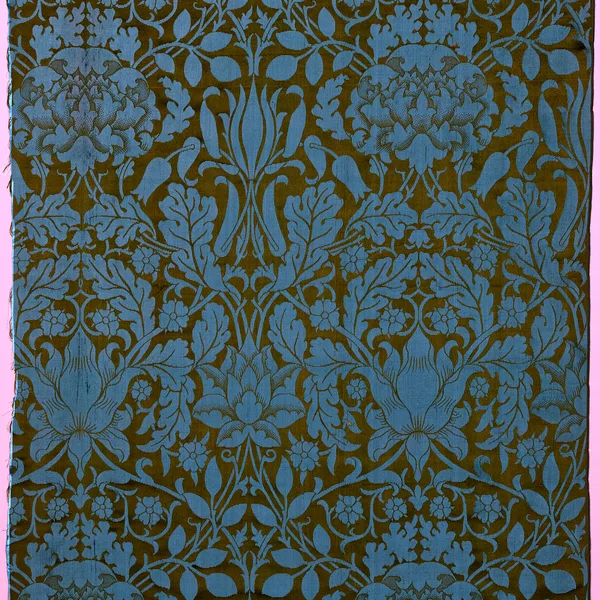
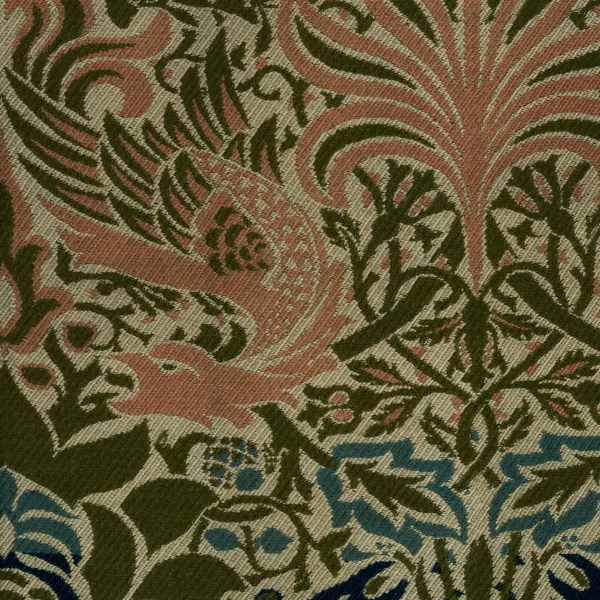
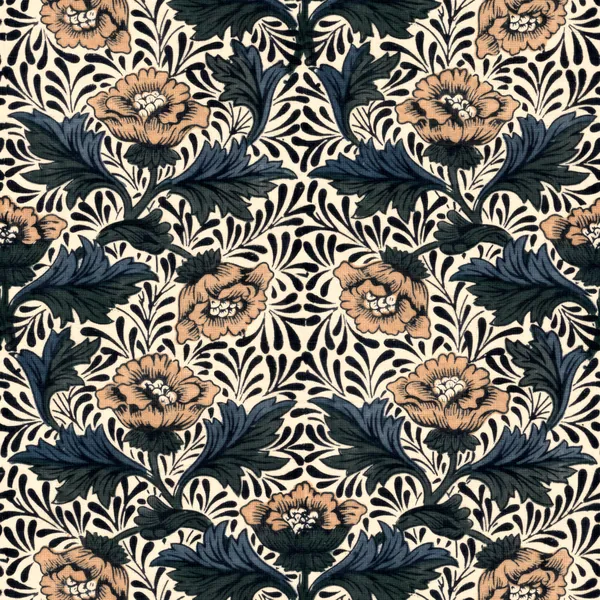
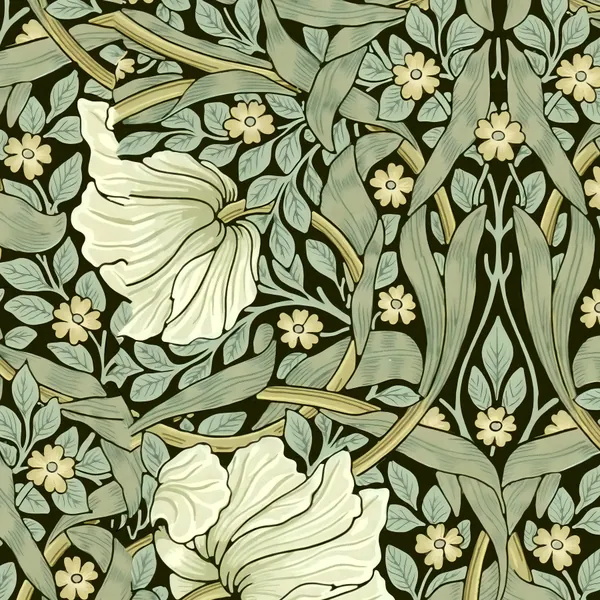
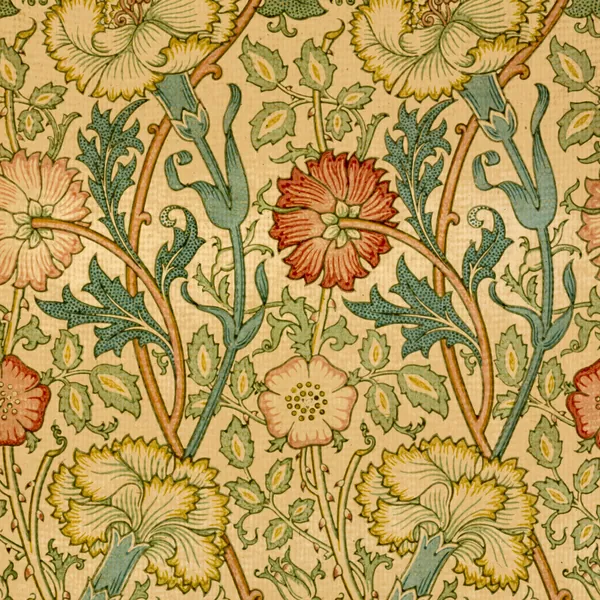
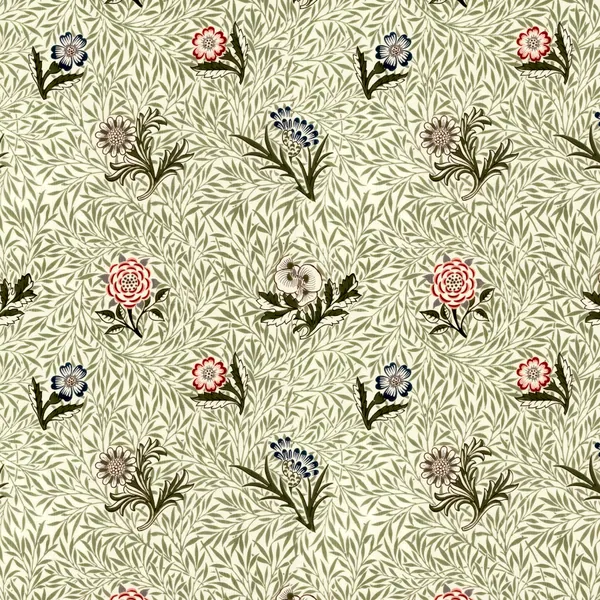
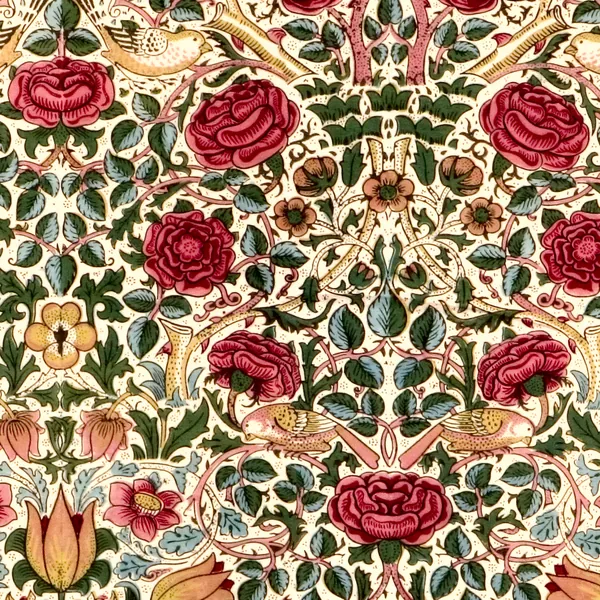
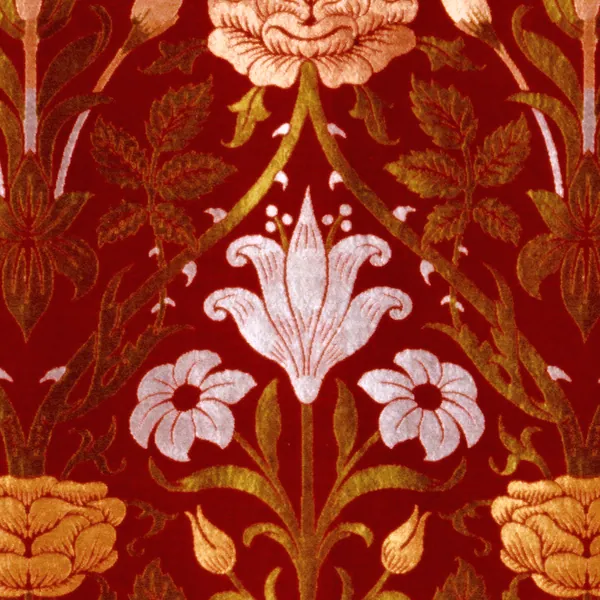
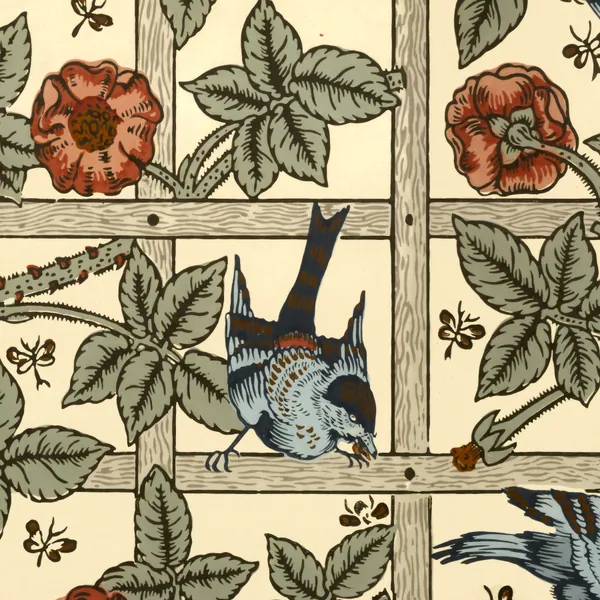
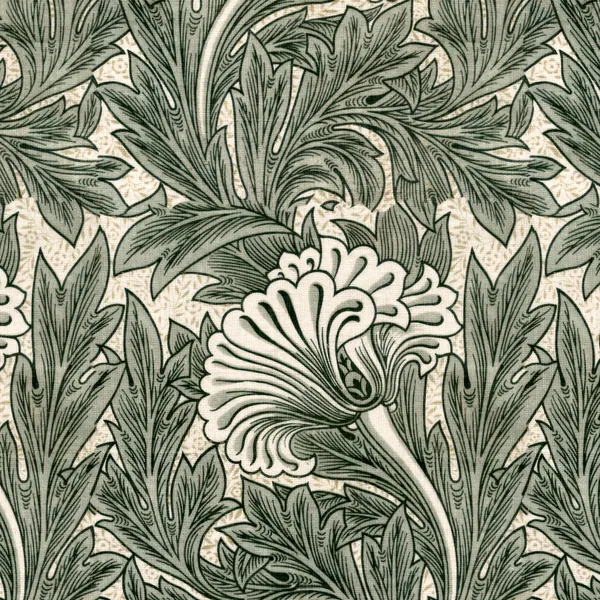
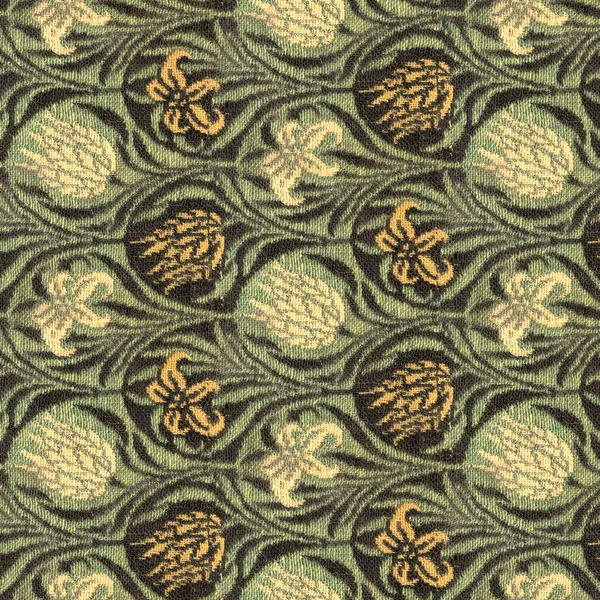
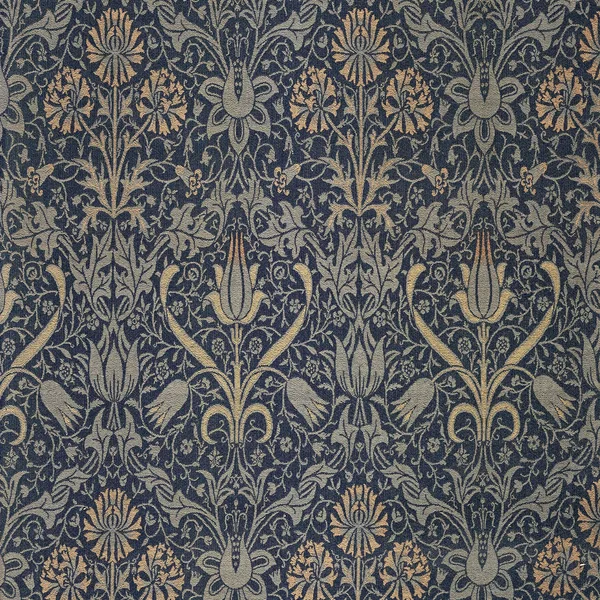
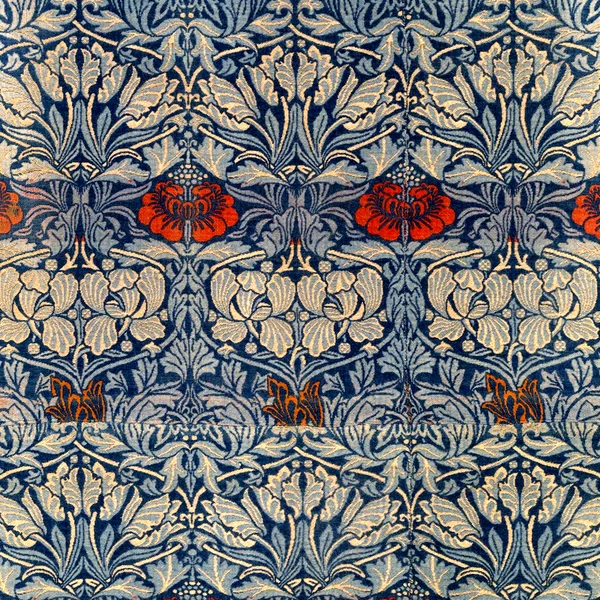
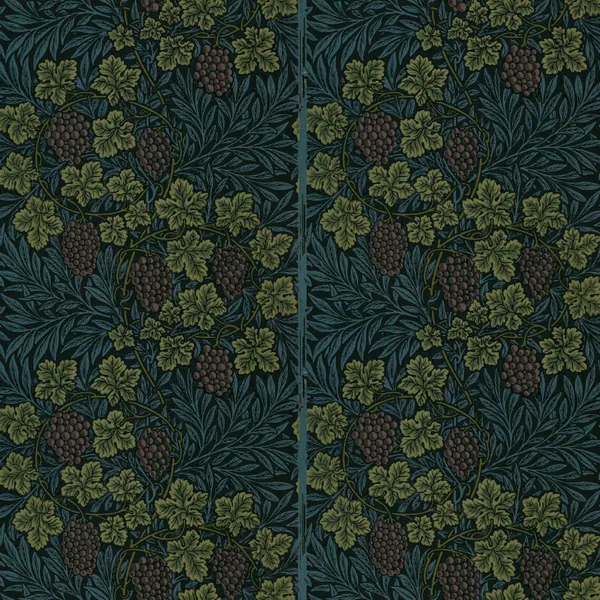
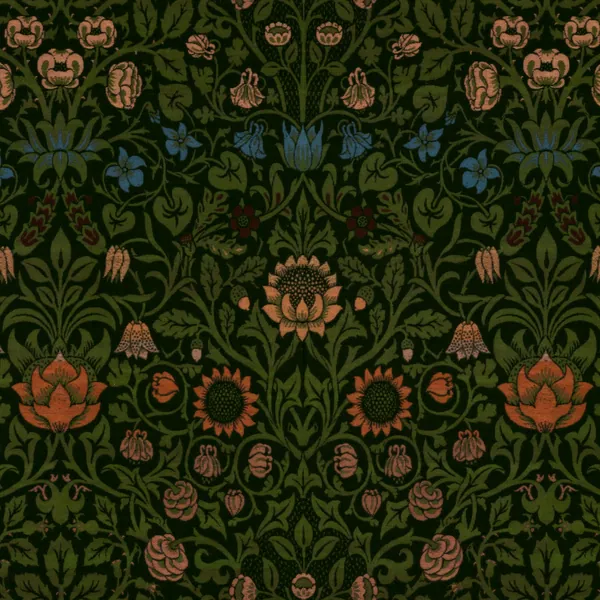
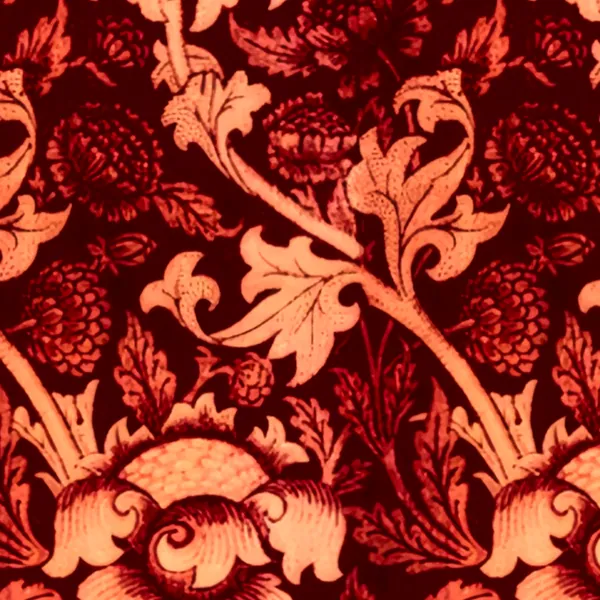
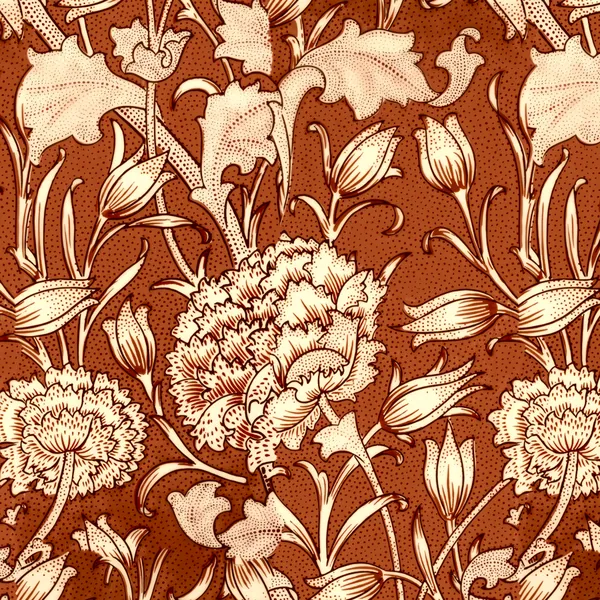
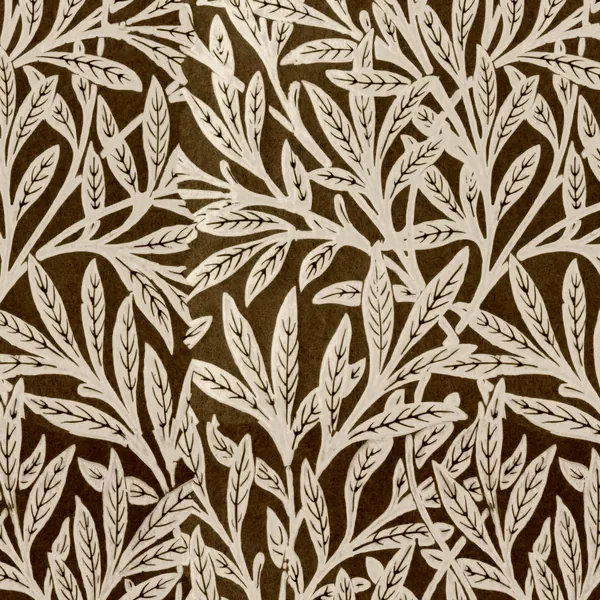
How to browse the designs
William Morris designs include block-printed wallpapers, printed cotton chintzes, and woven fabrics produced by Morris, Marshall, Faulkner & Co. and its successor, Morris & Co. This library organizes every historic pattern so you can view original patterns by year and designer. You can find artwork for your walls or download seamless pattern files for craft and design projects.
You can filter the grid above by motif, color, and type to locate specific styles. Each design card displays the release year and the designer credited in the historical records. While many patterns were published under the firm’s name, checking the designer line reveals whether the pattern was drawn by William Morris, John Henry Dearle, May Morris, or Kate Faulkner. You can buy a seamless pattern file and print it yourself.
Wallpapers, chintzes and woven textiles
Morris & Co. produced decorative patterns across three main product types: wallpapers, printed textiles, and woven textiles. Morris began designing repeating wallpaper patterns in 1862 with Trellis, which Jeffrey & Co. printed using hand-carved woodblocks. In 1868, Morris created his first pattern designed specifically for fabric printing.
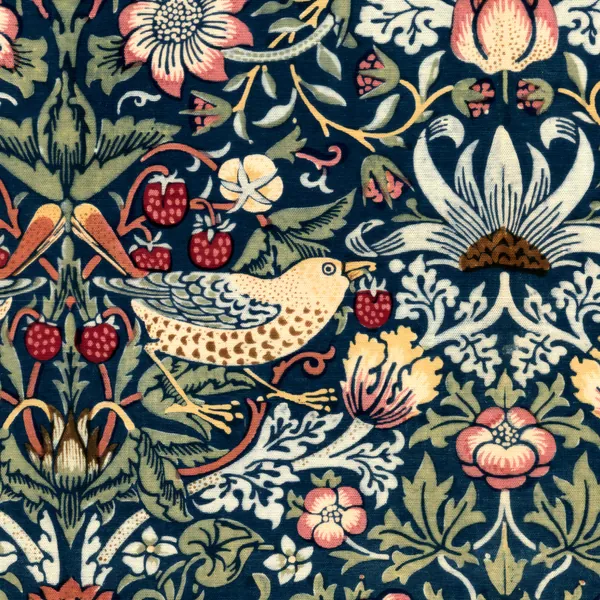
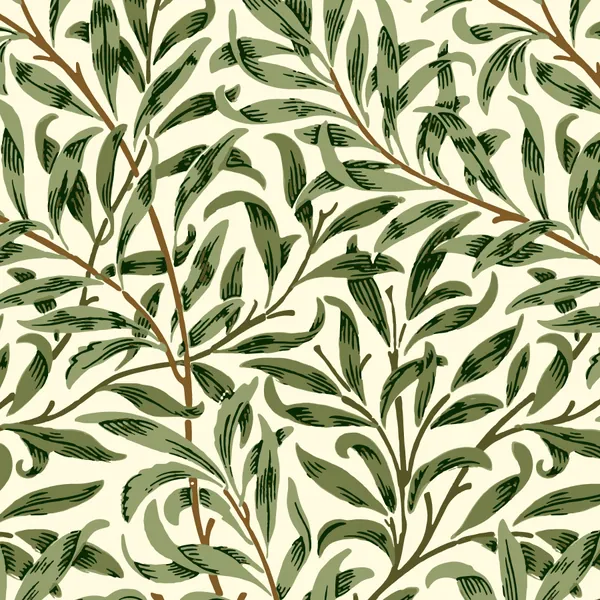
The firm’s printed fabrics, sold as chintzes, were printed with woodblocks by hand rather than commercial rollers. In the late 1870s, Morris expanded into woven textiles, setting up looms at Queen Square and later at Merton Abbey to weave silk damasks and carpets. You can read our detailed guide to Strawberry Thief or explore wallpapers such as Willow Bough to see how these techniques handle repeats.
Morris, Dearle and May Morris
William Morris founded Morris, Marshall, Faulkner & Co. in 1861 with Pre-Raphaelite friends, including Edward Burne-Jones and Dante Gabriel Rossetti. In 1875, Morris took sole ownership and renamed the business Morris & Co. To learn about his life, poetry, and politics, read our guide to William Morris.
As Morris turned to writing, the Kelmscott Press, and socialism, other designers took on key work. May Morris became head of the embroidery department in 1885, directing art needlework production. John Henry Dearle joined the firm in 1878, trained under Morris in creating woven hangings, and became chief designer in 1890. Dearle created patterns such as Compton, Daffodil, Cherwell, and Seaweed, and became Art Director after Morris died in 1896.
Motifs: birds, flowers, fruit and leaves
Motifs in Morris & Co. patterns center on British garden plants and foliage, alongside Turkish and Persian decorative traditions. Repeating designs feature flowers such as tulips, daffodils, and anemones, as well as plants like artichokes and seaweed. Foliage, olive branches, and fruit boughs run through the backgrounds to connect individual elements.
Birds and animals also appear across printed and woven goods. Designs by Dearle, Morris, and Philip Webb incorporate animal figures, owls, pigeons, and partridges among scrolling greenery. Stems and leaves curve across each surface to form continuous repeats that mask block edges.
Colourways
Each design in the library is shown in its documented historical colourways. Morris developed his palette by experimenting with organic dyes at Thomas Wardle’s dyeworks in Staffordshire between 1875 and 1878. Rejecting chemical aniline dyes, Morris revived traditional extracts, using indigo for blue, madder and cochineal for red, and walnut shells for brown.
When browsing the library, you can sort by color to find patterns that suit your interior palette. You can pick single designs or combine coordinating colourways as a poster set. You can buy a seamless pattern file and print it yourself.
Questions and answers
Which Morris patterns were designed by Dearle?
John Henry Dearle designed wallpapers and fabrics including Cherwell, Trent, Persian Brocatel, Daffodil, Compton, Tulip, Artichoke, and Persian or New Persian. He also designed Seaweed wallpaper, Eden printed cotton, and embroideries such as Anemone and Owl and Pigeon. Although these works were often exhibited and sold under William Morris's name, Dearle created them while serving as head designer and Art Director at Morris & Co.
What is the difference between a chintz and a woven Morris textile?
A Morris & Co. chintz is a printed cotton fabric, whereas a woven textile forms its pattern directly on a loom. The firm produced chintzes by pressing hand-carved woodblocks onto cloth with organic vegetable dyes. Woven textiles, including silk damasks and wool hangings, created their repeating patterns through the interlacing of dyed threads, which Morris manufactured at Queen Square and later at Merton Abbey.
Did May Morris design patterns for Morris & Co.?
May Morris designed numerous embroideries and patterns for Morris & Co. after taking charge of the embroidery department in 1885. She specialized in art needlework, creating free-form designs with delicate shading in silk thread. Because the firm sold these pieces under the Morris & Co. name, her original decorative designs were frequently misattributed to her father, William Morris, during her lifetime and in later years.
Are William Morris designs in the public domain?
Original William Morris designs are in the public domain. William Morris died in 1896, and Morris & Co. designers John Henry Dearle and May Morris died in 1932 and 1938. Because their copyrights have expired, these historic patterns are legally free to reproduce. Artwork in this library is prepared from public-domain museum scans and offered as downloadable repeating pattern files.