Seamless William Morris Patterns
A William Morris seamless pattern is a digital image of a single pattern repeat tile that joins edge to edge without seams. You can tile the file across any surface to reproduce historical wallpapers and printed textiles.
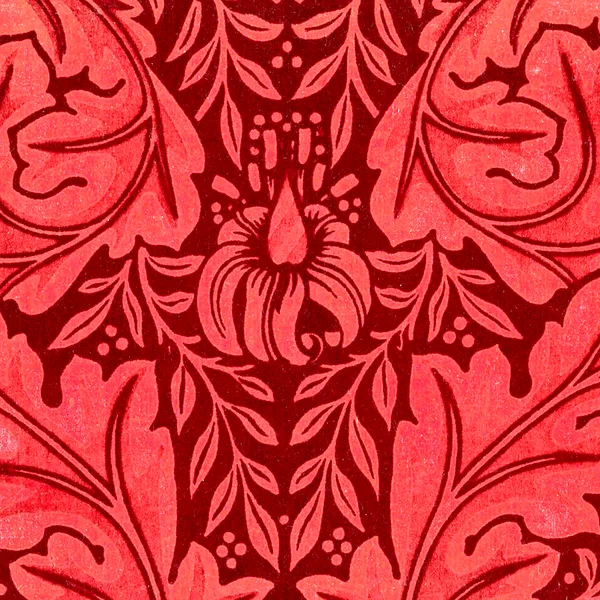
Acanthus1876 · William Morris
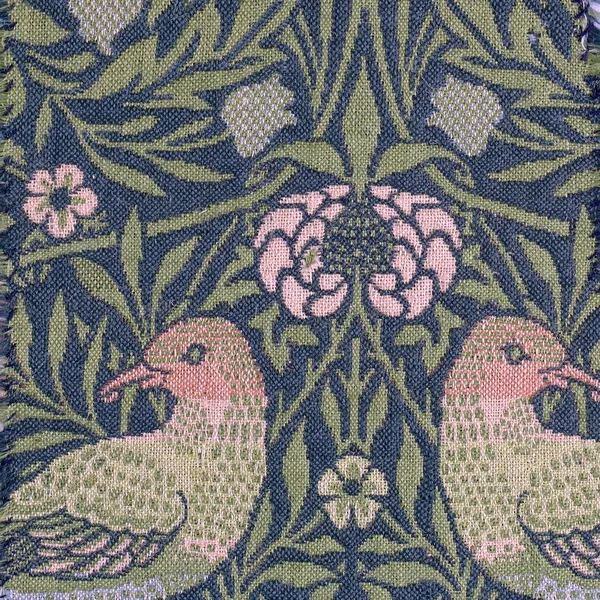
Bird1878 · William Morris
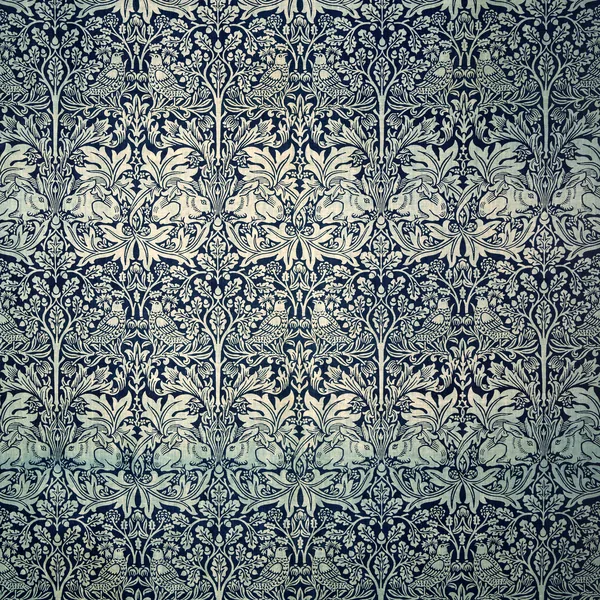
Brother Rabbit1882 · William Morris
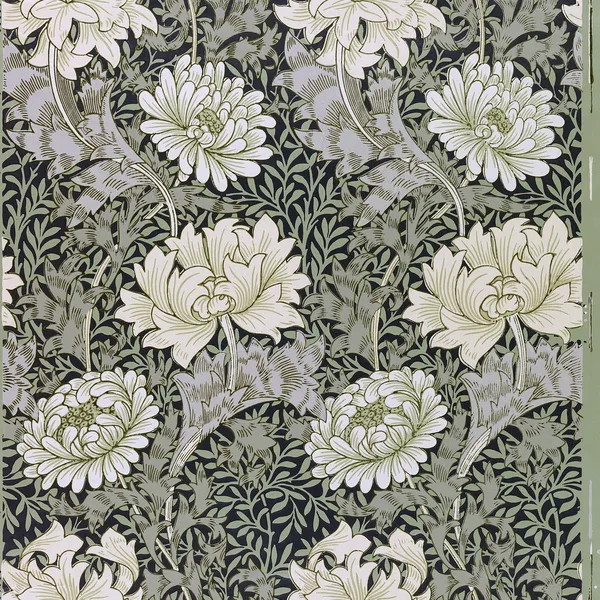
Chrysanthemum1877 · William Morris
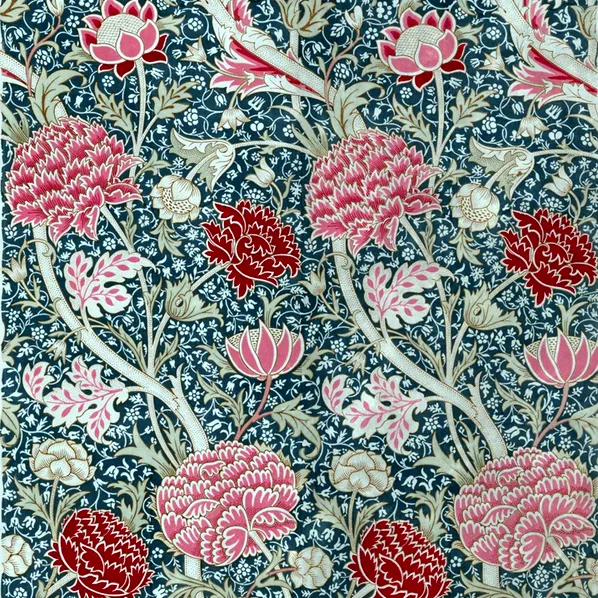
Cray1884 · William Morris
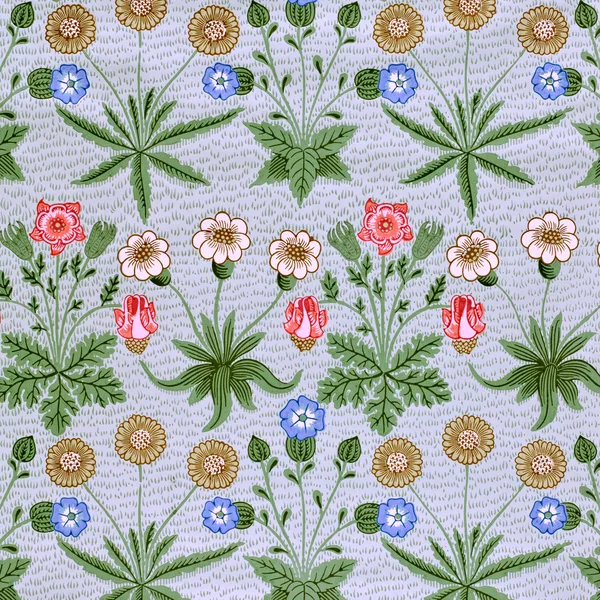
Daisy1862 · William Morris
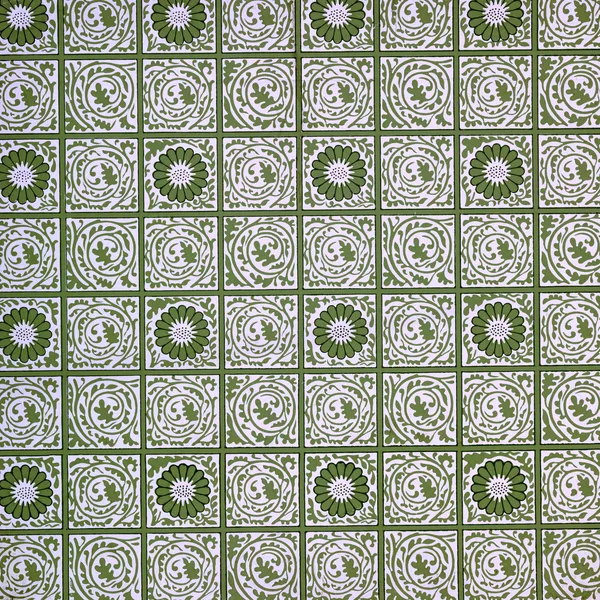
Diaper1863 · William Morris
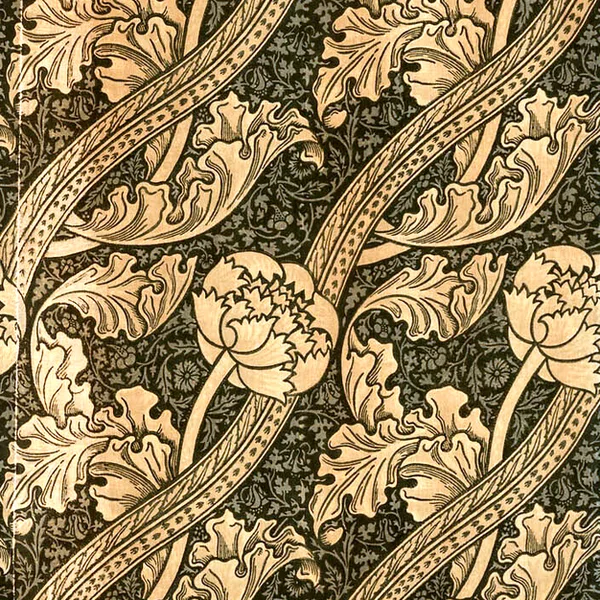
Florence1890 · J.H. Dearle
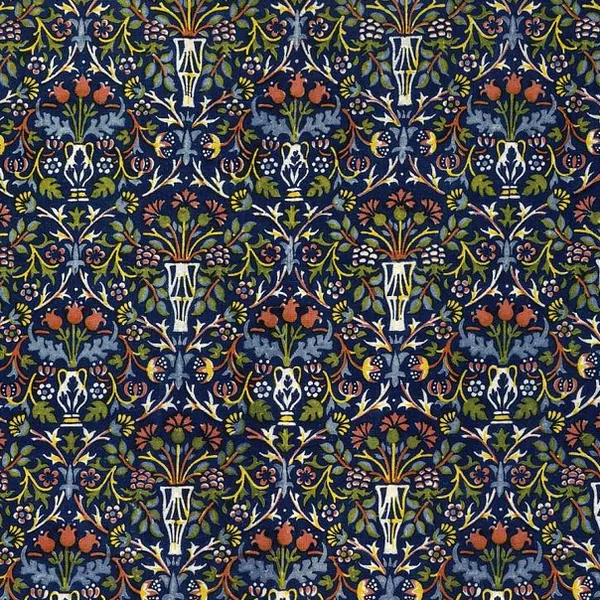
Flower Pot1883 · William Morris
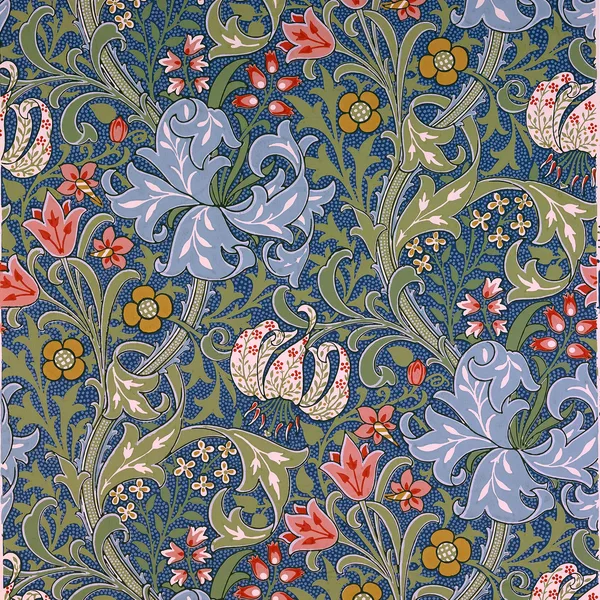
Golden Lily1899 · Morris & Co. (designer not recorded)
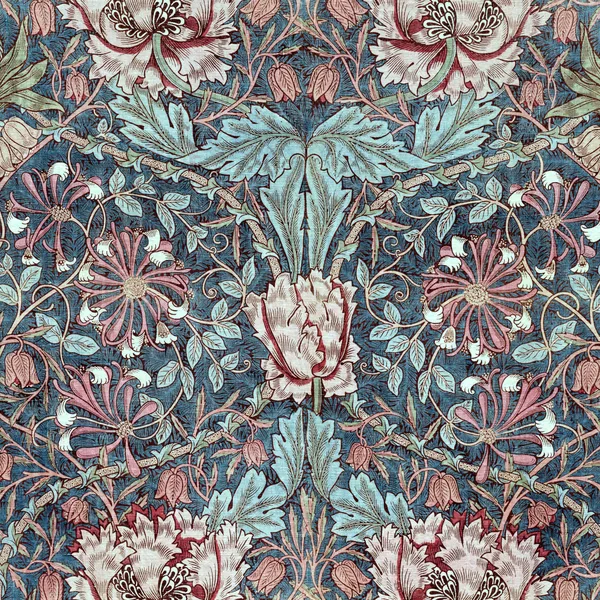
Honeysuckle1876 · William Morris
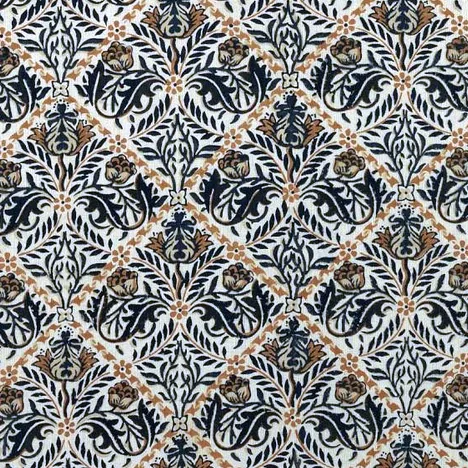
Indian Diaper1876 · William Morris
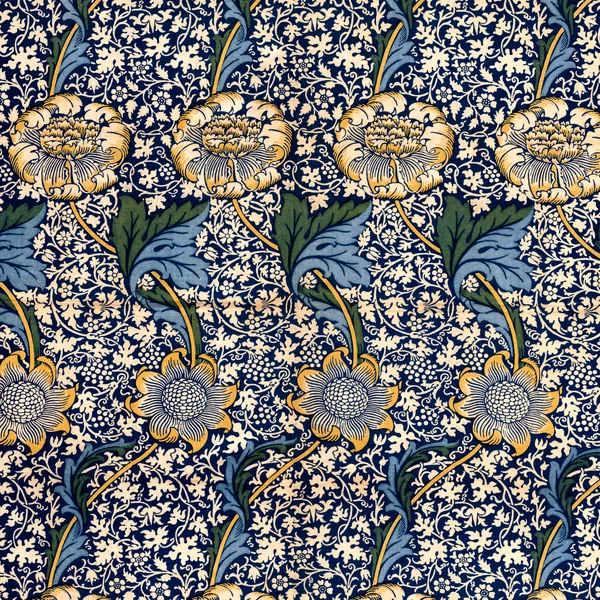
Kennet1883 · William Morris
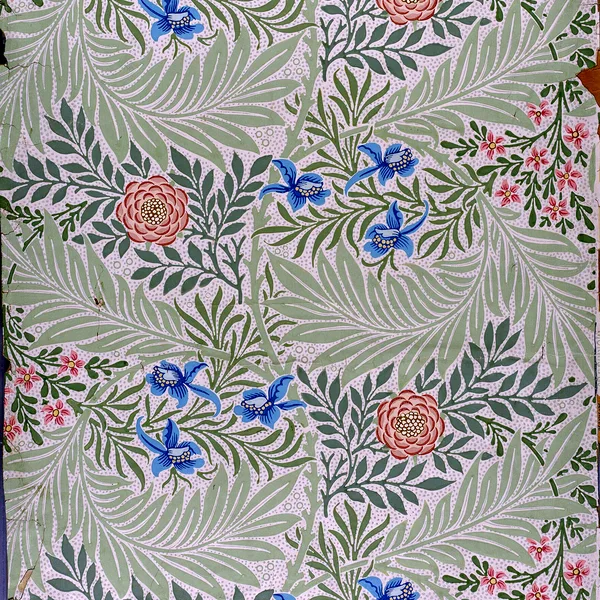
Larkspur1874 · William Morris
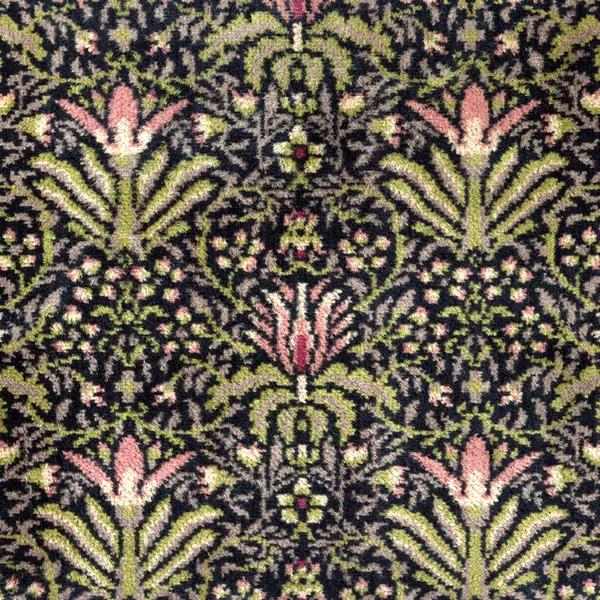
Lily1877 · William Morris
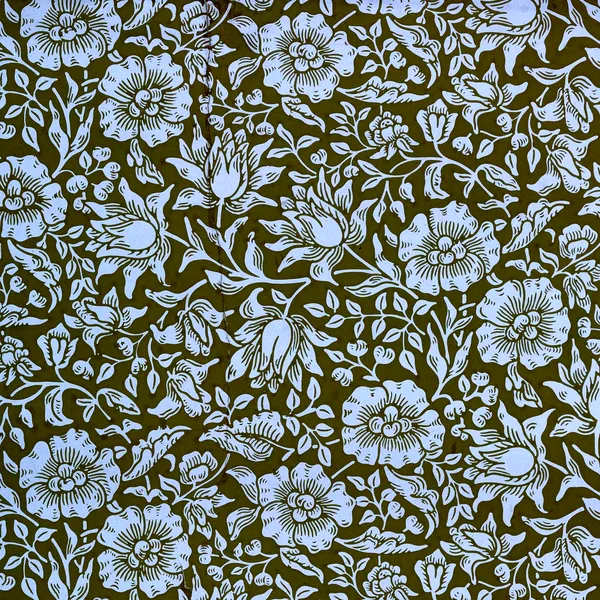
Mallow1879 · Kate Faulkner
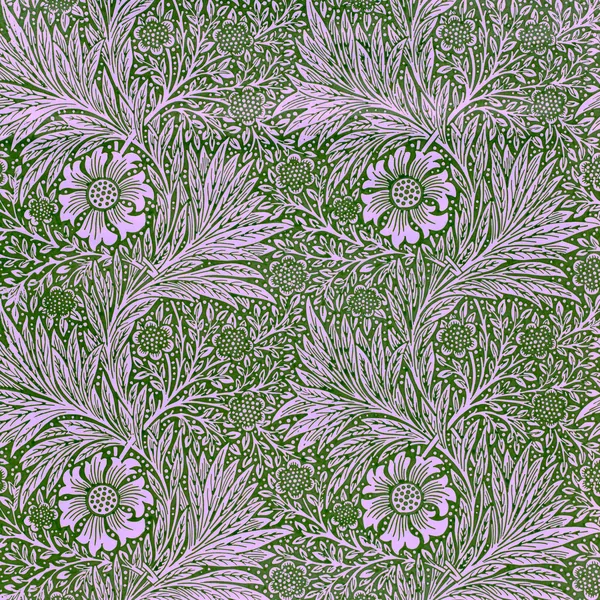
Marigold1873 · William Morris
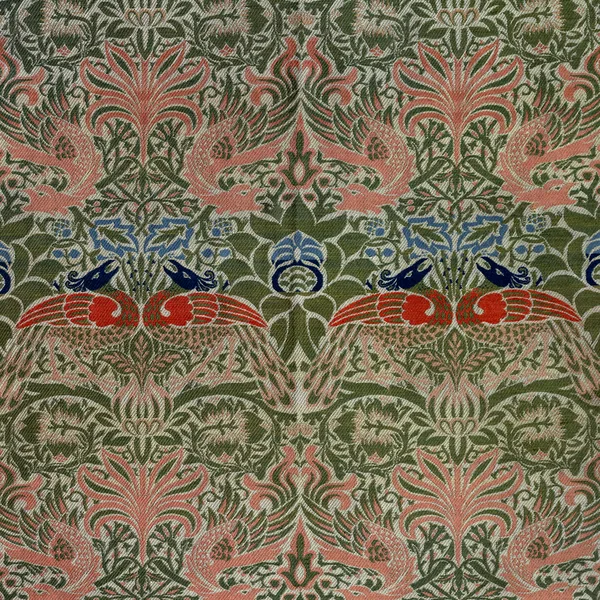
Peacock and Dragon1878 · William Morris
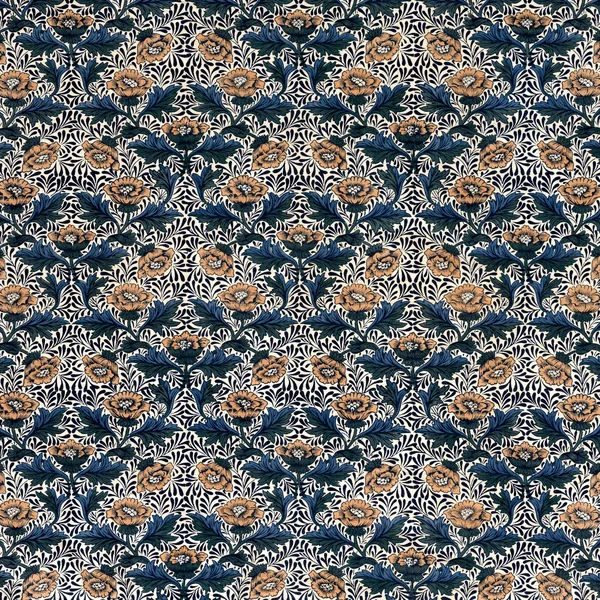
Peonydate unknown · Kate Faulkner
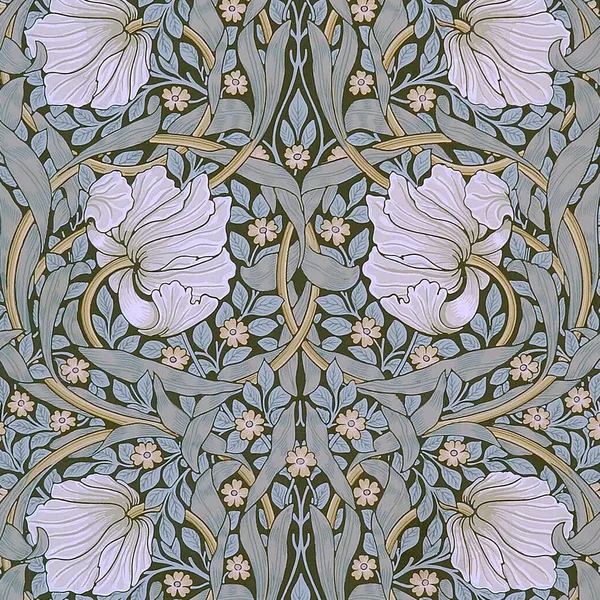
Pimpernel1876 · William Morris
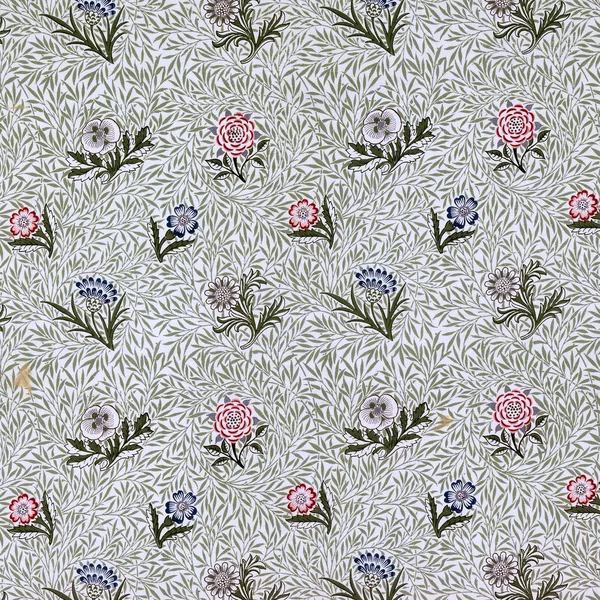
Powdered1874 · William Morris
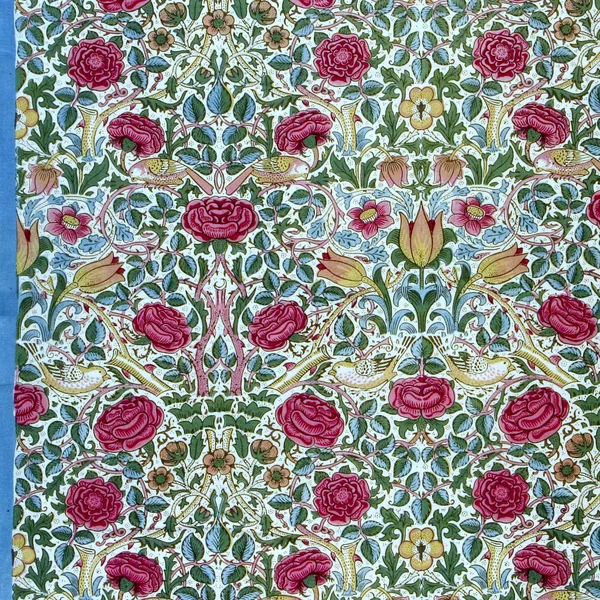
Rose1883 · William Morris
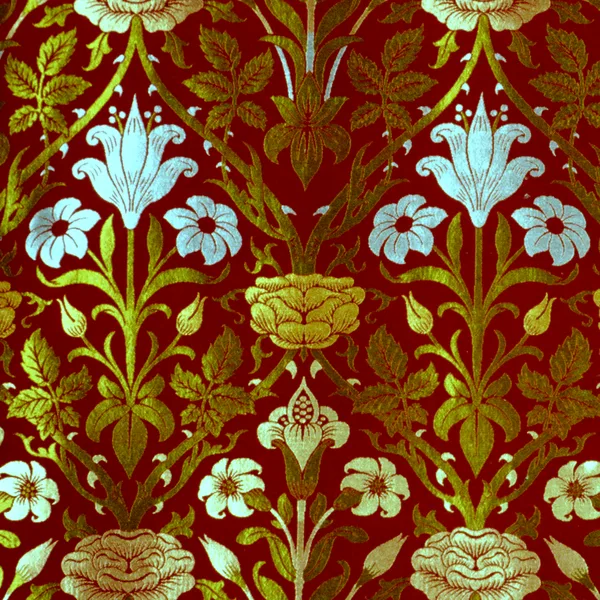
Rose and Lily1893 · J.H. Dearle
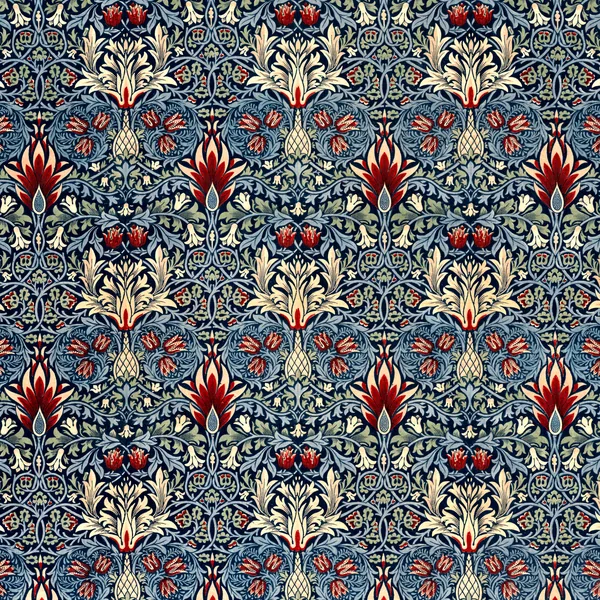
Snakeshead1876 · William Morris
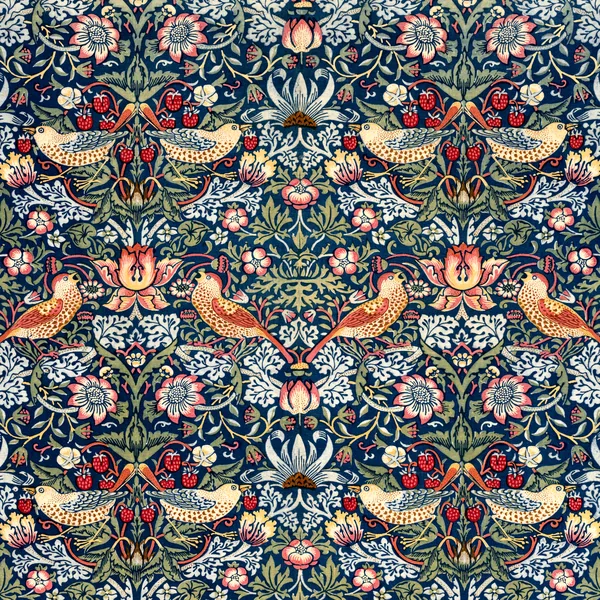
Strawberry Thief1883 · William Morris
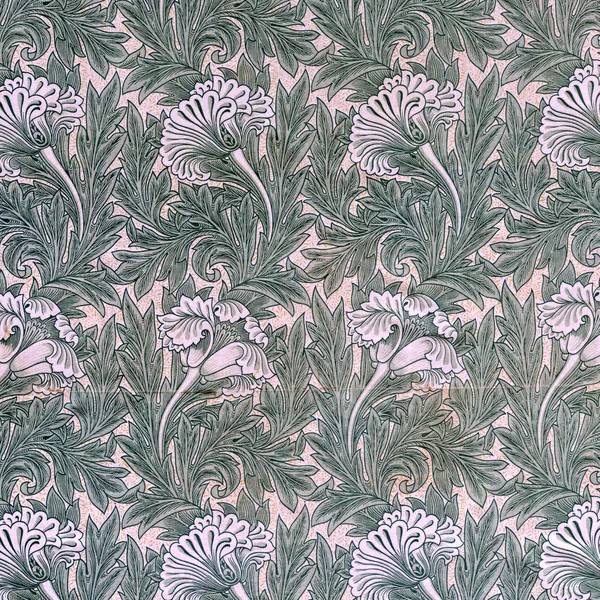
Tulip1875 · William Morris
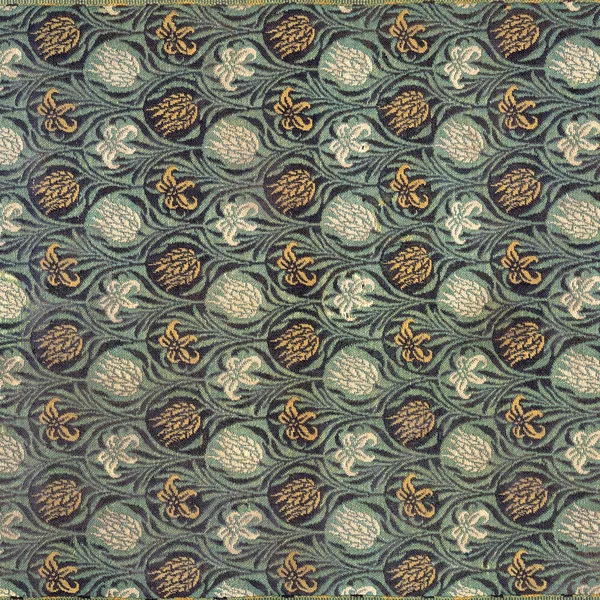
Tulip and Lily1875 · William Morris
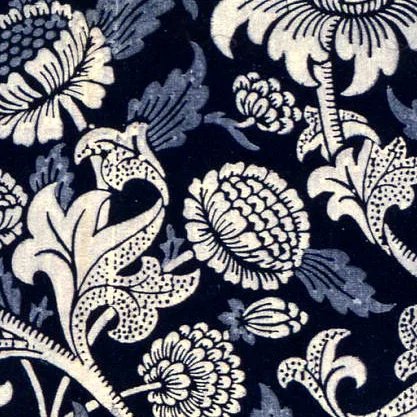
Wey1883 · William Morris
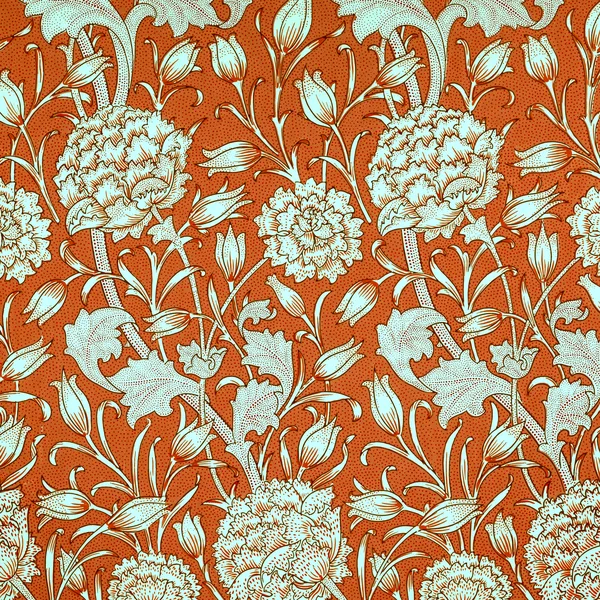
Wild Tulip1884 · William Morris
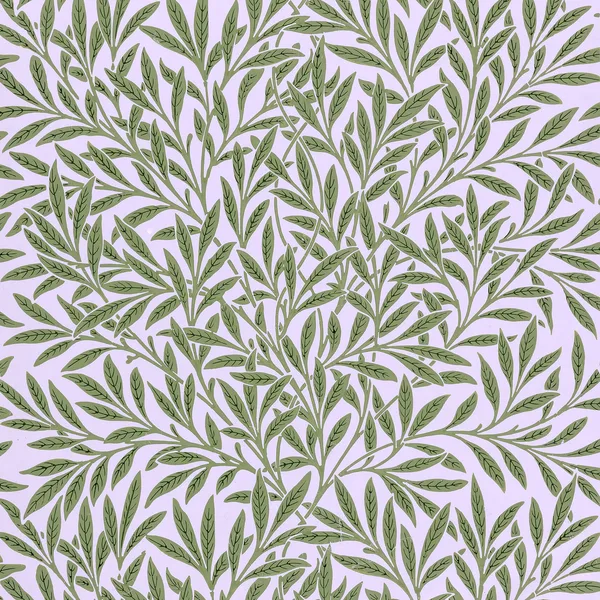
Willow1874 · William Morris
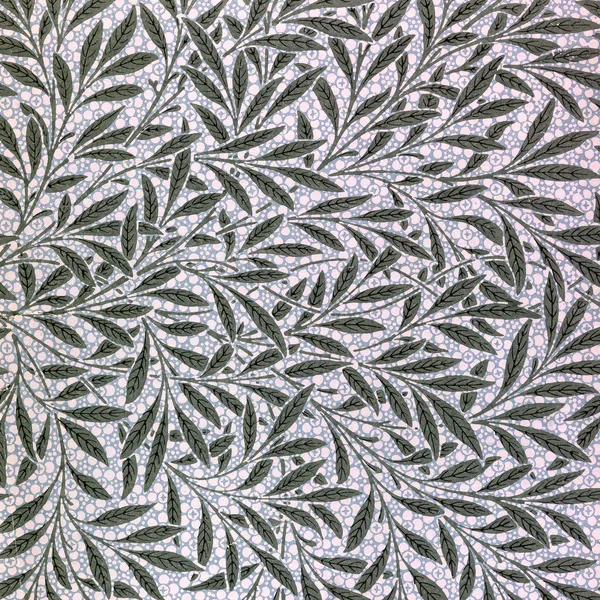
Willow Bough1887 · William Morris
What a seamless pattern file is
A William Morris seamless pattern file is a digital image containing one exact repeat tile of a historical pattern. When you place these tiles side by side and above and below, the edges match cleanly without a visible break or boundary. The file is a digital download rather than a physical printed product.
The designs in this collection originated as block-printed wallpapers, chintzes, and woven fabrics produced during the nineteenth century. William Morris began designing repeating patterns for wallpaper in 1862 and created his first pattern for textile printing six years later. A digital tile isolates that original repeating unit so you can multiply it across surfaces of any size.
How the repeat works
Every repeating pattern relies on a geometric grid that aligns adjacent units. Some designs use a straight repeat, where identical tiles align horizontally in simple rows and vertically in straight columns. In these patterns, elements along the left border meet matching elements on the right border at the exact same vertical height.
Other patterns use a half-drop repeat. In a half-drop layout, each vertical column shifts down by half the height of the repeat tile. Famous patterns such as Strawberry Thief rely on intricate structures where motifs balance across the surface. The pattern tiles on this site follow each design’s original historical repeat structure. When you duplicate a half-drop tile using pattern tools, the second column drops to maintain the flow of stems, birds, and leaves.
What crafters and designers use the files for
Crafters and designers use William Morris pattern files for practical making and digital styling. You can upload the repeating tile to services for fabric printing on demand, creating custom cloth for cushions, curtains, or garments. The repeating units also suit paper crafts, including bookbinding, scrapbooking, box lining, and stationery.
In digital work, creators use the tiles to build continuous backgrounds for websites, presentation slides, and digital mock-ups. You can explore the full library of patterns in our design library, which categorizes each piece by motif, designer, and original production medium.
Where the scans come from
The pattern files on this site come from public-domain museum scans. Museums photograph surviving historical wallpapers, printed textiles, and woven fabrics in their collections and release the digital images under CC0 terms. Each design page on the site names the specific museum scan source alongside details of the pattern.
The original designs are in the public domain under copyright law. William Morris died in 1896, John Henry Dearle died in 1932, and May Morris died in 1938. Because their designs are in the public domain, the underlying artwork is open to study and use. This site presents these historical scans independently and is not affiliated with any museum, the William Morris Society, the William Morris Gallery, or the modern owner of the Morris & Co. brand name.
Questions and answers
What is a seamless pattern?
A seamless pattern is an image containing a single tile designed to repeat across a surface without visible seams. When placed directly edge to edge horizontally and vertically, the graphics along the borders align into an unbroken field. In historical pattern design, this repeating structure allowed printers to print wallpaper rolls and continuous bolts of fabric using carved wooden blocks.
What is a half-drop repeat?
A half-drop repeat is a pattern layout where every second column shifts downward by half the length of the pattern tile. Rather than lining up in straight horizontal bands, the motifs drop to create a staggered, diagonal visual rhythm. William Morris and John Henry Dearle frequently arranged floral stems, leaves, and animals in half-drop repeats to prevent horizontal striping across wallpapers and printed textiles.
Are William Morris patterns free to use?
William Morris patterns are in the public domain because of their age. William Morris died in 1896, John Henry Dearle died in 1932, and May Morris died in 1938. Their historical designs have passed into the public domain. The digital pattern files on this site come from museum scans published under CC0 terms. The artworks are public domain by age, and the source scans are CC0.
What can I make with a William Morris pattern file?
You can make printed fabrics, paper crafts, and digital graphics with a William Morris pattern file. Crafters upload the repeating tiles to print-on-demand services to produce yardage for home furnishings or apparel. You can also print the patterns on paper for scrapbooking, book covers, and packaging, or tile them digitally to form web backgrounds, presentation slides, and product mock-ups.